
Lowell Weicker: U.S. Senator and Independent Governor of Connecticut
Biography of Lowell Weicker (b. 1931), Republican-turned-independent U.S. senator and governor of Connecticut (1991–1995), noted for his maverick style and fiscal leadership during a state budget crisis.
Overview
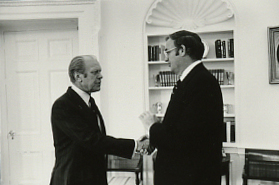
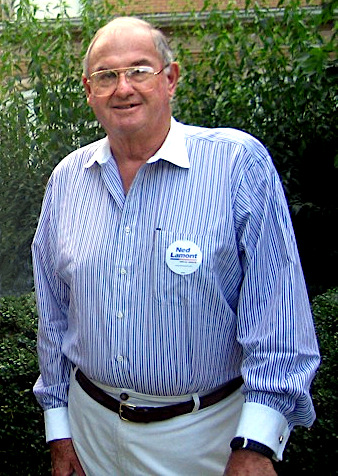
Lowell Palmer Weicker Jr. (born May 16, 1931) is an American politician known for an independent, sometimes contrarian career in national and state government. A liberal-leaning member of the Republican Party for much of his public life, he later governed Connecticut outside the two-party structure. He is remembered for his long Senate tenure and a single, consequential term as governor.
Image gallery
6 Images


Early life
Weicker was born in Paris, France to American parents on May 16, 1931. His international birth and New England roots informed a cosmopolitan but pragmatic outlook. He entered public life in the mid-20th century and built a reputation as an outspoken legislator who often crossed party lines.
Political career
Weicker spent nearly two decades in the United States Senate, where he cultivated a profile as a moderate-to-liberal Republican. He sought the Republican nomination for President in 1980 but lost the primary to Ronald Reagan. Throughout his congressional service he was known for independent votes on civil liberties, consumer protection and oversight issues, which set him apart from many in his party.
Governor of Connecticut (1991–1995)
After leaving the Senate, Weicker ran for governor of Connecticut and won as the candidate of an independent ticket. He served from 1991 to 1995 during a period of fiscal emergency for the state. Faced with large budget shortfalls, he supported measures that included broad revenue changes to restore fiscal stability—moves that were politically unpopular but credited with correcting structural problems in state finances.
Style, legacy and notable facts
- Political maverick: Weicker often broke with party orthodoxy and placed policy judgment above party loyalty.
- Independent path: His gubernatorial victory under an alternative party label highlighted voter openness to nontraditional candidates.
- Public fiscal leadership: His actions as governor remain a reference point in Connecticut politics for managing deficits and making difficult budget decisions.
Lowell Weicker's career illustrates how individual conviction and pragmatic governance can reshape political expectations at both the federal and state levels. His life in public office offers material for study on party realignment, bipartisan cooperation and the role of independent candidacies in American politics.
Party affiliation and past national ambitions are part of his story, and his long public service continues to be cited in discussions of Connecticut's political history.
Author
AlegsaOnline.com Lowell Weicker: U.S. Senator and Independent Governor of Connecticut Leandro Alegsa
URL: https://en.alegsaonline.com/art/141869