
Liberation of Paris (August 1944)
The military and civilian uprising that freed Paris from German occupation between 19 and 25 August 1944, ending four years of Nazi control and restoring French authority and civic life.
Overview
The Liberation of Paris was the week-long military and civic struggle that removed German occupation forces from the French capital between 19 August 1944 and the German surrender on 25 August 1944. It took place in the closing phase of the wider Allied campaign in Western Europe during World War II. Paris had been under the control of Nazi Germany since the armistice of June 1940, enforced by the occupying Wehrmacht, and its liberation combined armed action by Allied and French units with an internal insurrection.
Image gallery
10 Images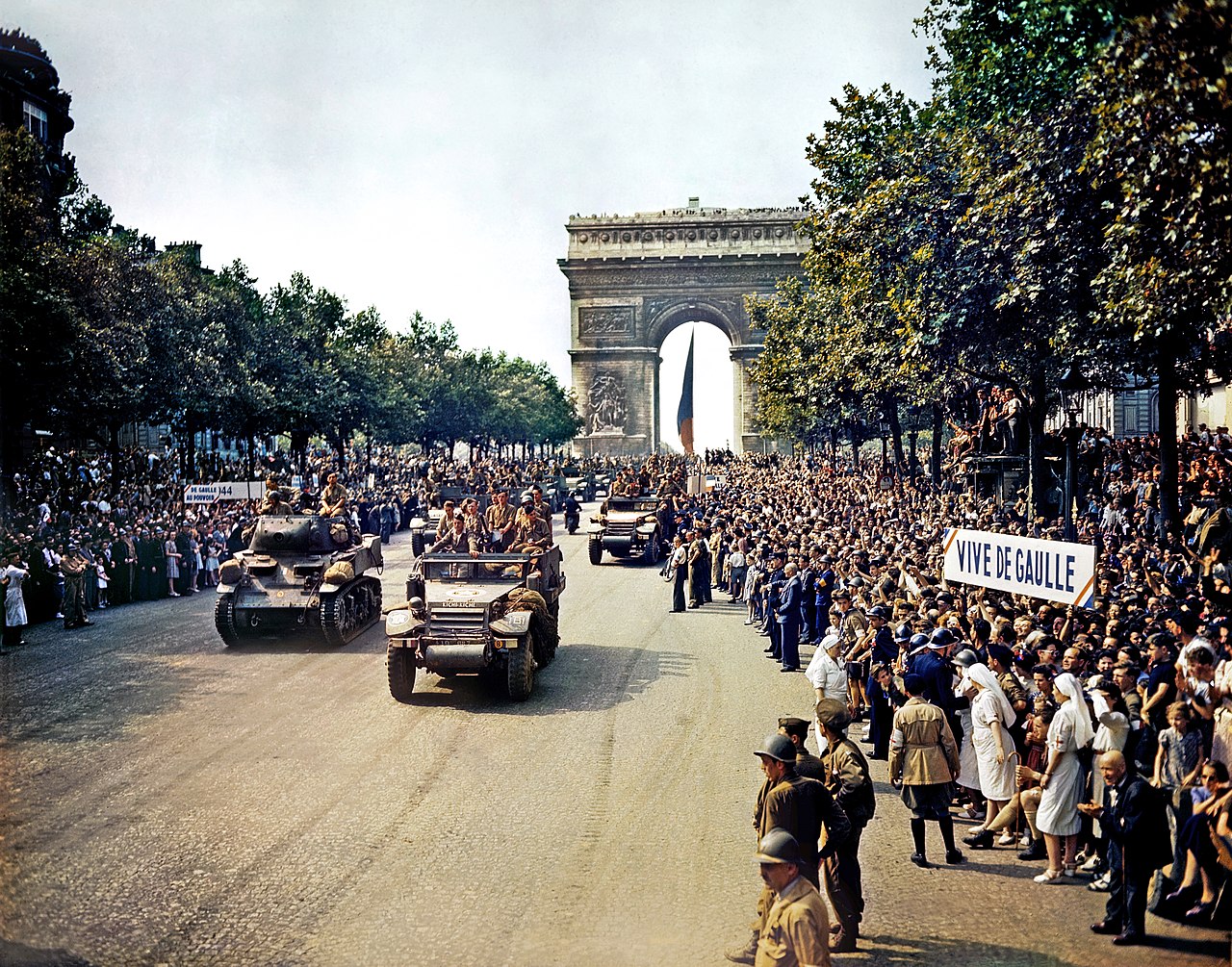





Origins and timeline
The immediate context was the Allied breakout from Normandy earlier in the summer of 1944 and the rapid advance across northern France. Civil unrest and strikes in Paris grew into an organized revolt by resistance groups; street fighting and barricades escalated beginning on 19 August. Over the next days, Allied columns approached the city while Parisians and resistance fighters pressed German garrisons inside the capital.
Combatants and course of fighting
The uprising involved a mix of forces: French resistance fighters, paramilitary elements of the Free French, and Allied military units moving to secure the city. Notably, French forces under General Philippe Leclerc’s command played a prominent role alongside American units that operated in the region. The German military administration and local garrison were led by commanders who ultimately negotiated the city’s surrender rather than carry out orders to destroy key infrastructure.
- Key participants: French Resistance, Free French forces, American military units, German garrison.
- Principal actions: street fighting, establishment of barricades, arrival of armored columns, negotiated German capitulation.
- Dates: major combat and civic action concentrated from 19 to 25 August 1944.
Political outcome and public response
The capture of Paris had both military and symbolic significance. The surrender ended four years of occupation and enabled the provisional French authorities to reassert control. Charles de Gaulle and other French leaders moved quickly to restore civil administration and to present a narrative of French liberation by French forces and citizens. Public celebrations, parades, and official ceremonies followed the surrender, underlining Paris’s role as a center of national identity.
Legacy and notable facts
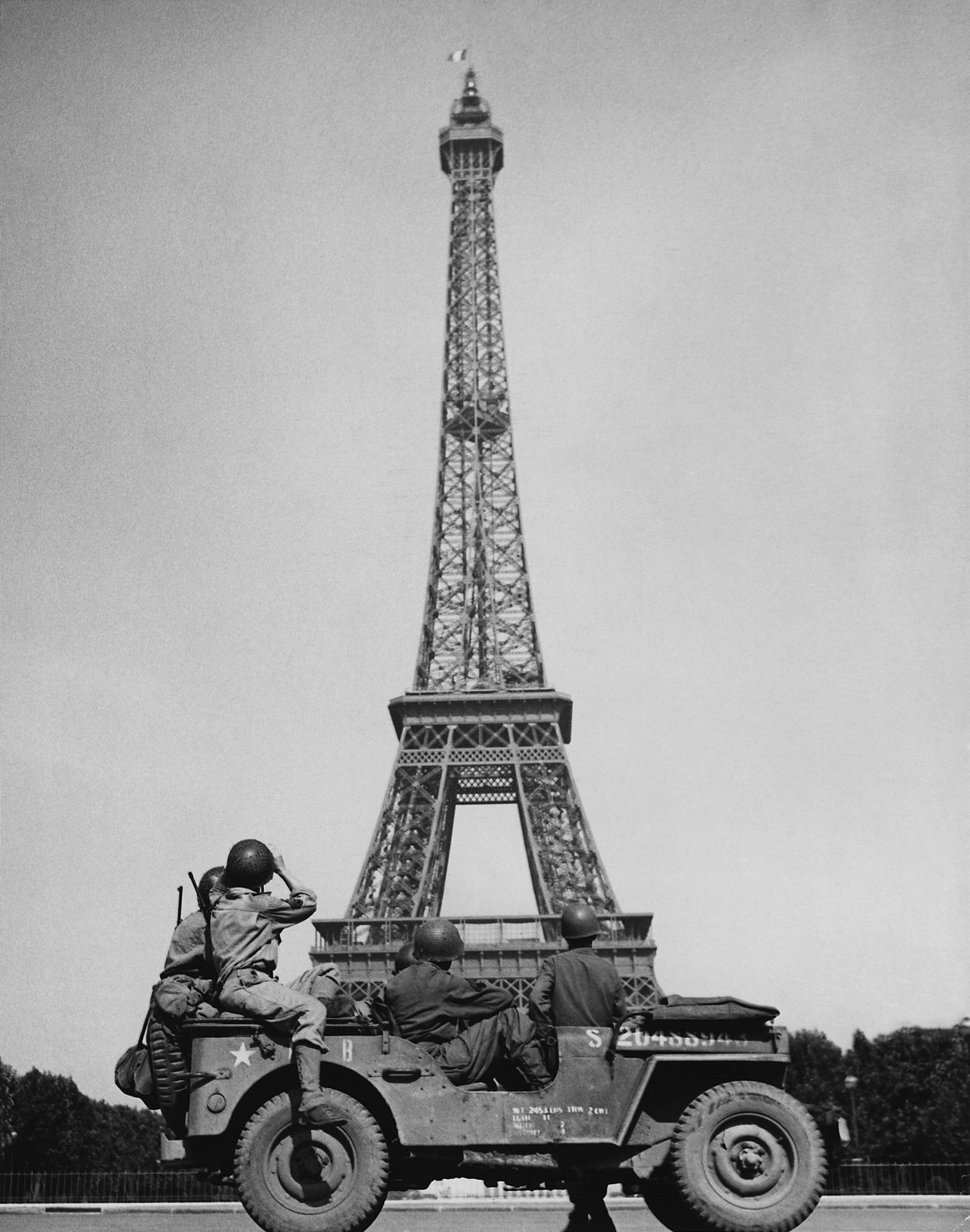
Beyond the immediate military effect, the Liberation of Paris became a powerful symbol of national recovery and resistance to occupation. It highlighted the contribution of local resistance networks working in parallel with Allied operations, and it shaped postwar politics and memory in France. The event is commonly referred to in French as the Libération de Paris, and it remains a frequent subject of commemoration and study. Reminders of the occupation and liberation are visible throughout the city, where plaques, monuments, and annual ceremonies mark the period.
For further reading on the city and its wartime experience, see resources about Paris and the institutions that governed occupied territories during the era of Nazi Germany and its armed forces, the Wehrmacht.
Author
AlegsaOnline.com Liberation of Paris (August 1944) Leandro Alegsa
URL: https://en.alegsaonline.com/art/141463
Sources
- gaminsdulux.fr : "Libération de Paris [Liberation of Paris]"
- liberation-de-paris.gilles-primout.fr : "Libération de Paris forces américaines"