
Les Andelys (commune in Normandy, France)
Les Andelys is a riverside commune in the Eure department of Normandy, northern France, known for the ruins of Château Gaillard, its division into Grand-Andely and Petit-Andely, and its Seine valley setting.
Overview
Les Andelys is a town and commune in northern France, located in the historic region of Normandy. It lies in the administrative boundaries of the Eure department and forms part of the wider region. The commune had a recorded population of around 8,056 inhabitants in 2017. Its identity is shaped by a striking riverside setting on the River Seine and a notable medieval heritage.
Image gallery
4 Images

Geography and layout
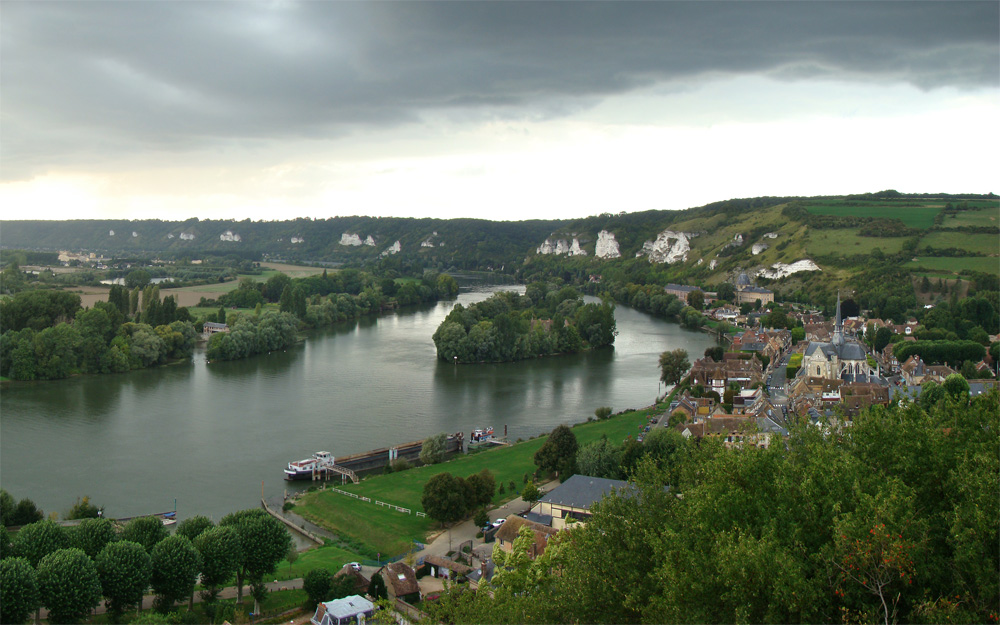
The settlement stretches along the right bank of the Seine and is traditionally divided into two quarters: the elevated hilltop area often called Grand-Andely and the lower riverfront district known as Petit-Andely. The town sits beneath a limestone promontory that provides extensive views of the Seine valley and the surrounding countryside. The riverfront includes quays, slips and former port facilities that historically supported trade and transport.
History
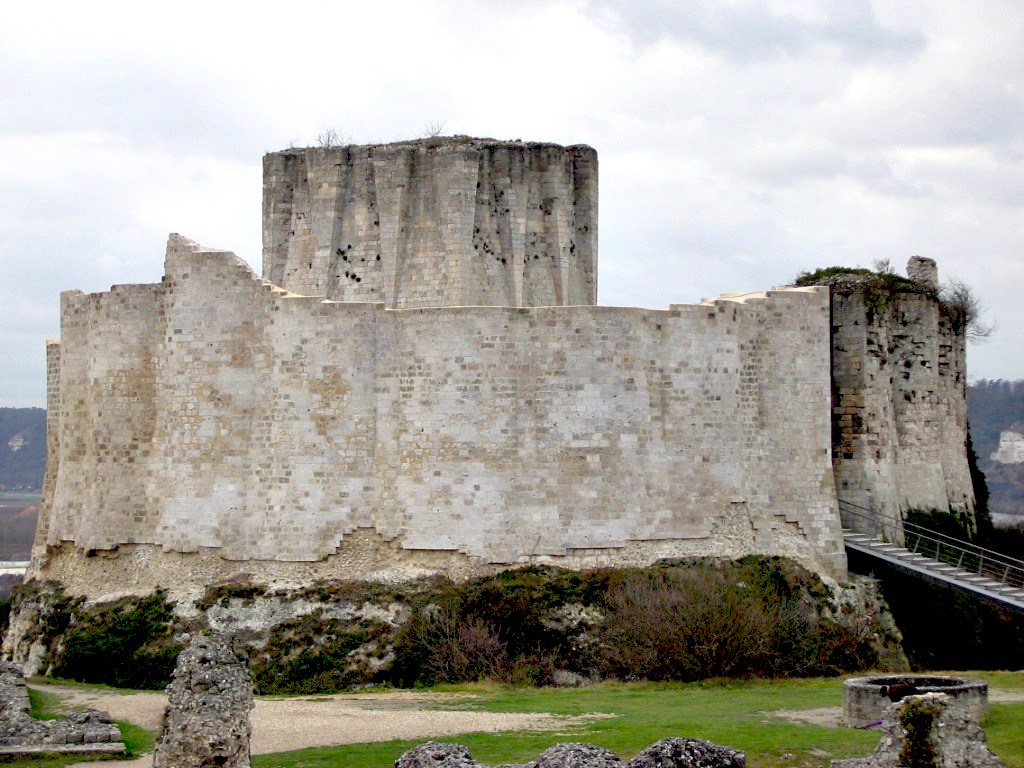
Les Andelys rose to prominence in the Middle Ages. Its most celebrated monument is the hilltop fortress Château Gaillard, built in the late 12th century under King Richard I of England. The castle played a central role in territorial conflicts between English and French rulers and later fell into ruin; its remains are a key resource for the study of medieval military architecture and for visitors interested in the period.
Sights and culture
- Château Gaillard – dramatic ruins perched above the town and the Seine, with viewpoints accessible by footpaths.
- Timber-framed houses and narrow streets in Petit-Andely, riverside promenades and traditional quays.
- Local markets, seasonal festivals and cultural events that reflect Norman crafts, cuisine and community life.
Administration and economy
As a local administrative centre within the department, Les Andelys provides services to surrounding communes and supports a local economy shaped by tourism, small businesses, hospitality and some light industry. Heritage tourism linked to the castle and the scenic Seine valley is an important economic driver for shops, restaurants and accommodation providers.
Access and practical information
The town is reached by regional roads and benefits from its proximity to larger urban centres that provide rail and wider transport links. River navigation on the Seine has long influenced its development and remains part of the town's character. For official details, visitor information and municipal services consult the commune’s pages and regional guides: local commune information, regional resources and national tourism portals such as those maintained for Normandy and France. Further administrative and departmental information can be found via Eure resources and the departmental portals.
Author
AlegsaOnline.com Les Andelys (commune in Normandy, France) Leandro Alegsa
URL: https://en.alegsaonline.com/art/141407