
Leidschendam-Voorburg
Leidschendam-Voorburg is a municipality in South Holland, Netherlands, combining historic Voorburg and Leidschendam with canals, parks and suburban commerce; population about 75,425 (2019).
Overview
Leidschendam-Voorburg is a suburban municipality in the western part of the Netherlands. It sits between larger urban centers and has a mix of residential districts, commercial centers and green spaces. The municipal area grew from several historic towns and villages and today functions as both a commuter area and a local service hub. Official descriptions commonly call it a municipality in the administrative framework of the country.
Image gallery
10 Images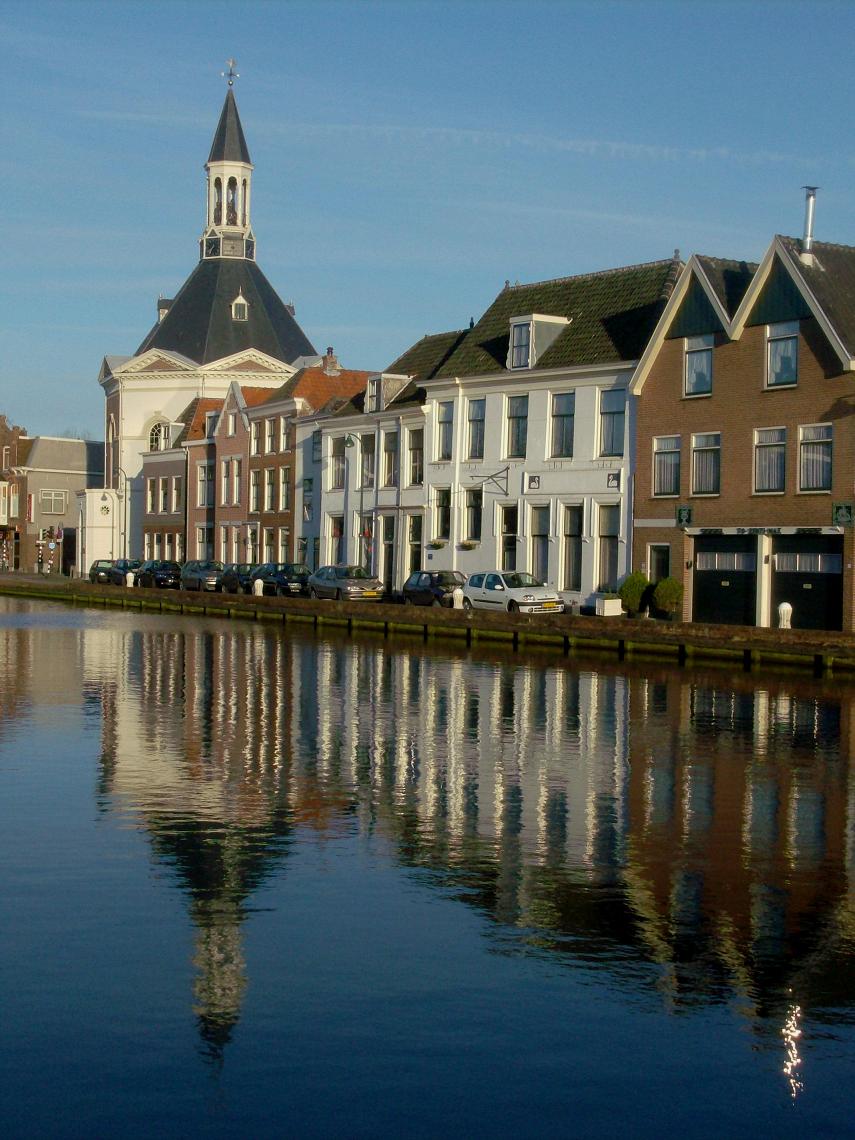


Geography and neighborhoods
The municipality lies within the Dutch province of South Holland and is crossed by waterways, most notably the Vliet canal, which has shaped settlement and commerce for centuries. Key population centres include Voorburg and Leidschendam, together with smaller villages and residential areas. Parks, riverbanks and urban squares are characteristic features around the town centers.
History and development
Parts of the municipal area have long histories: Voorburg, for example, contains archaeological traces and historic buildings that reflect its role as a regional crossroads. Over the 20th century the area became increasingly integrated into the expanding urban region around The Hague, blending older cores with newer housing and shopping developments. Local identity remains tied to both the historic town centers and modern infrastructure.
Economy and transport
The local economy combines retail, services and light industry, with many residents commuting to nearby cities. Well-connected road and rail links serve daily travel. Shopping centres and business parks provide employment and amenities for the surrounding suburbs. Public transport and regional roads make the municipality accessible from The Hague, Leiden and beyond.
Sights and public life
Visitors and residents find a mix of historic streets, canalside promenades and contemporary retail areas. Notable local attractions include civic museums, historic churches and waterfront promenades. Regular markets, community events and recreational facilities contribute to civic life.
Practical information
- Population: around 75,425 (2019).
- Main population centres: Voorburg, Leidschendam and surrounding villages.
- Useful links: municipal information, regional resources via national portals, provincial pages at province services and tourism or administrative pages for South Holland.
Author
AlegsaOnline.com Leidschendam-Voorburg Leandro Alegsa
URL: https://en.alegsaonline.com/art/141363