
Bridgeport, Connecticut — City overview
Bridgeport is Connecticut's largest city on Long Island Sound, a historic industrial port and modern cultural center. Notable sites include the Barnum Museum and the location of the first Subway restaurant.
Overview
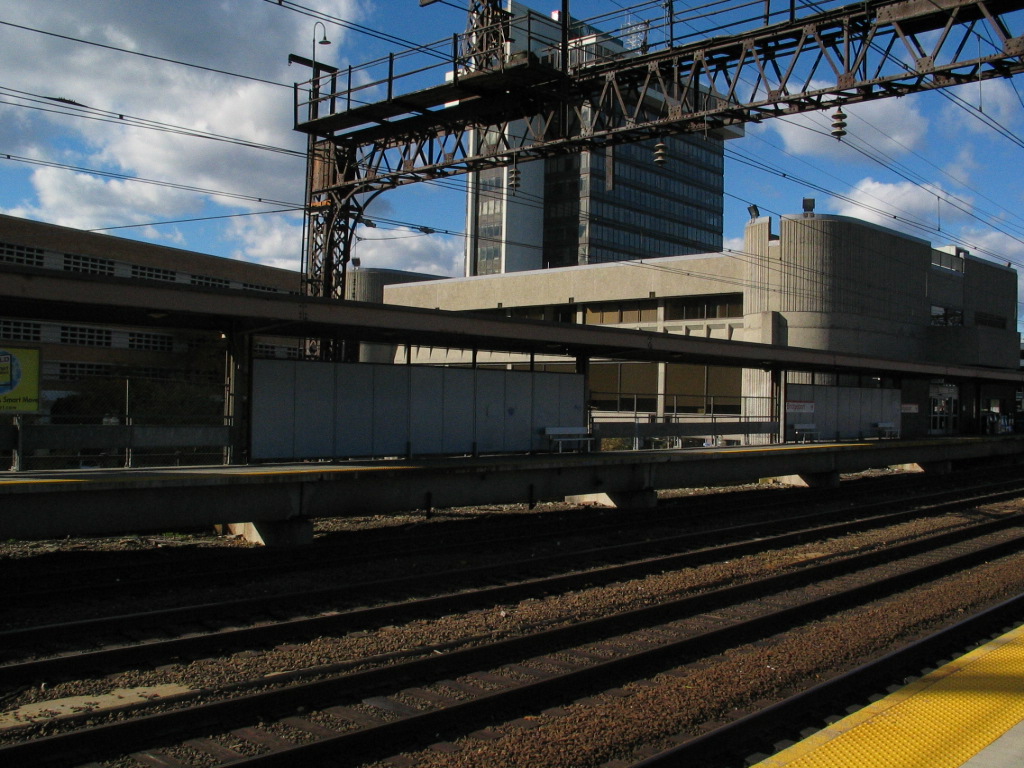
Bridgeport is the most populous city in Connecticut, located on the northern shore of Long Island Sound in the United States. It functions as an urban hub within the greater New York metropolitan area and has a long history as an industrial and maritime center. Today the city combines residential neighborhoods, port facilities, cultural institutions, and ongoing downtown redevelopment.
Image gallery
10 Images


History and development
Originally a colonial settlement, Bridgeport grew significantly during the 19th century as manufacturing and shipping expanded. Entrepreneurs and inventors established factories that produced machinery, textiles, and other goods. The city is also associated with circus impresario P.T. Barnum, whose influence is remembered through local museums and historic sites. In the 20th century Bridgeport experienced industrial decline and subsequent efforts at economic revitalization.
Geography and neighborhoods
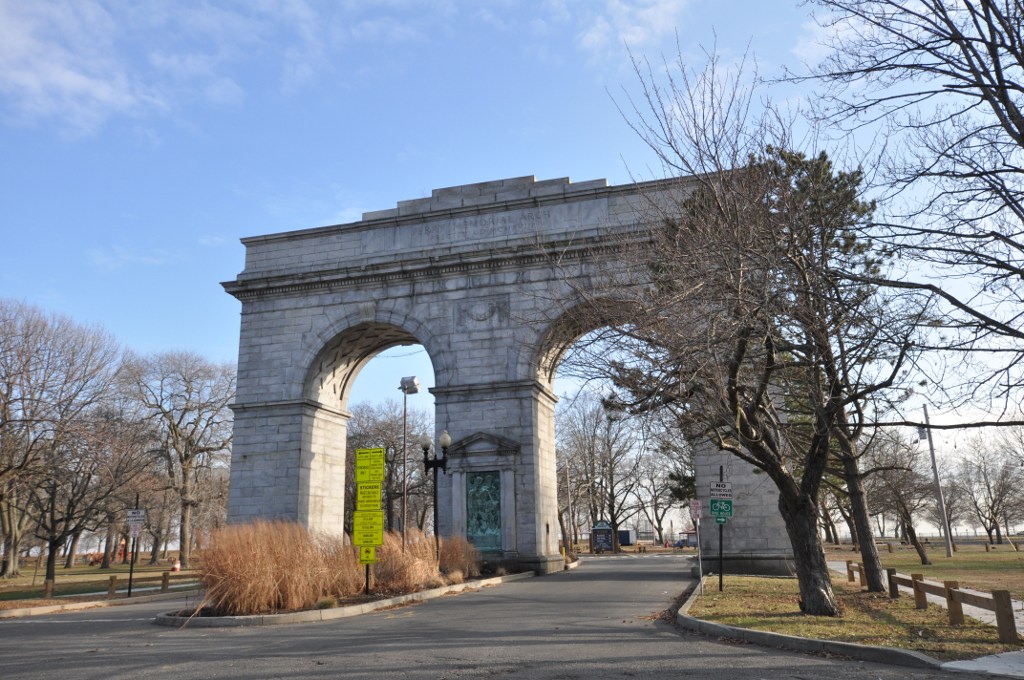
Bridgeport lies on a natural harbor and includes waterfront parks, marinas, and commercial docks. The city contains a mix of residential and commercial districts, often organized into named neighborhoods. Commonly referenced neighborhoods include:
- Downtown and the waterfront
- Black Rock and adjoining coastal areas
- East End and East Side residential districts
- Bridgeport center neighborhoods with historic housing
Economy, institutions, and culture
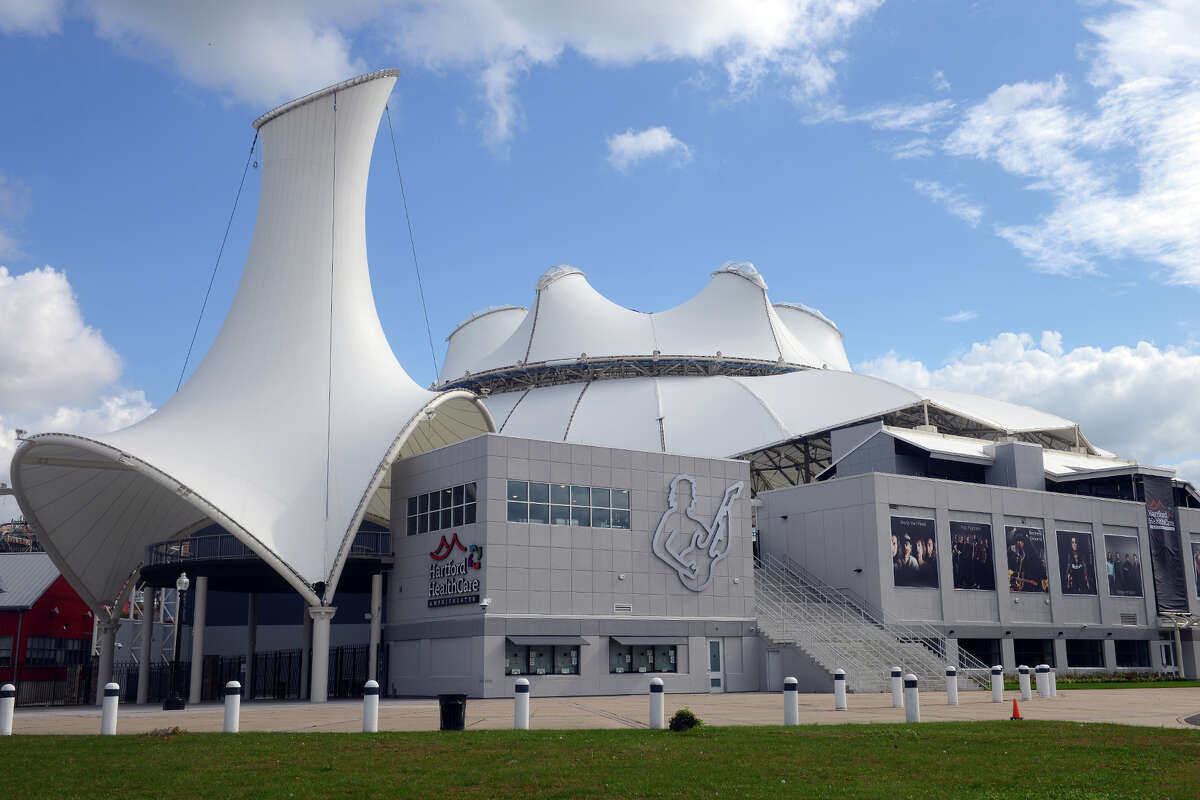
Historically reliant on manufacturing and shipping, Bridgeport's economy now includes education, healthcare, professional services, and retail. Local institutions such as universities, hospitals, and museums contribute to employment and civic life. Cultural amenities include parks, a municipal zoo, performing arts venues, and historic museums. The city also appears in business history as the location where the first Subway restaurant began before becoming a global franchise.
Notable facts and contemporary life
Bridgeport is notable for its dense mix of industrial heritage and contemporary redevelopment projects aimed at waterfront revitalization and downtown renewal. Its population is diverse, with multiple languages and cultural communities represented. Visitors and residents alike find a combination of historic landmarks, recreational waterfront access, and urban amenities that reflect the city's evolving role in the region.
Related articles
Author
AlegsaOnline.com Bridgeport, Connecticut — City overview Leandro Alegsa
URL: https://en.alegsaonline.com/art/14075
Sources
- census.gov : census.gov