
Joseph Papp: Producer, Founder of The Public Theater and Shakespeare in the Park
American theatrical producer and director (1921–1991) who founded The Public Theater and Shakespeare in the Park, produced A Chorus Line, and promoted free, diverse, and innovative theatre in New York.
Overview
Joseph Papp (born Joseph Papirofsky; June 22, 1921 – October 31, 1991) was an influential American theatrical producer and director who reshaped New York theatre by expanding access, nurturing new plays, and supporting experimental and off‑Broadway work. He is best known for creating The Public Theater in the historic Astor Library Building and for founding the free summer tradition commonly called Shakespeare in the Park.
Image gallery
9 Images




Career and major works
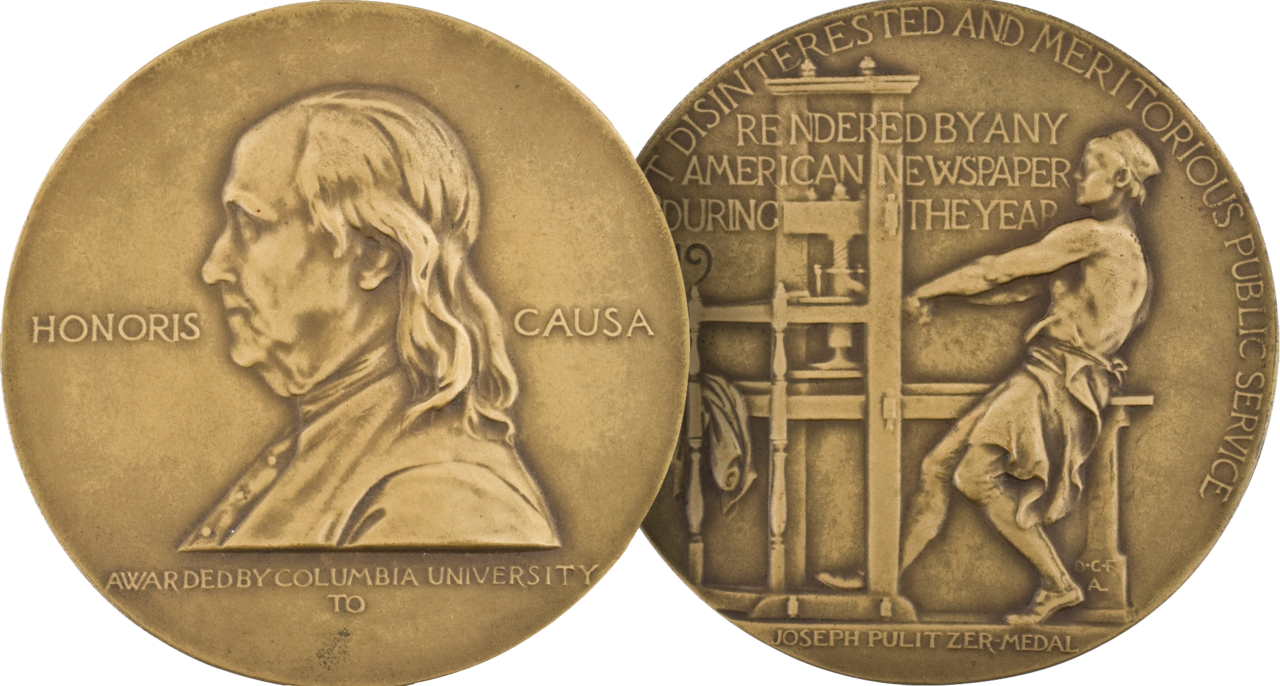
Papp produced a wide range of dramatists and theatrical forms, from experimental one‑acts to large commercial musicals. His productions launched or helped popularize important works and writers. Notable productions associated with his organizations include David Rabe's plays, Ntozake Shange's For Colored Girls Who Have Considered Suicide When the Rainbow Is Enuf, Charles Gordone's No Place to Be Somebody, and the workshop‑developed musical A Chorus Line, which won the Pulitzer Prize and became a long‑running sensation.
The Public Theater and Shakespeare in the Park
Papp converted the 19th‑century Astor Library into a home for new and adventurous work, founding The Public Theater as a place for readings, workshops, and productions outside the commercial pressures of Broadway. He also established the New York Shakespeare Festival, staging free performances in Central Park (at the Delacorte Theater), a practice designed to bring classical drama to broad and diverse audiences without the barrier of ticket cost.
Methods, values, and influence
Papp emphasized development processes—readings, workshops, and community engagement—that allowed writers, directors, and performers to test and refine material. He championed diversity in casting and programming and supported voices that had limited access to mainstream stages. His model influenced how new work is cultivated in American theatre, encouraging institutions to invest in artist development rather than relying solely on established commercial models.
Legacy and preservation efforts
Beyond producing, Papp was an advocate for the physical and cultural preservation of New York’s theatre district and for public funding and policies that sustain live performance. His institutions became launching pads for many careers and remain part of his legacy in the city where he was born and worked: New York City. The Public Theater continues to operate in the Astor Library building, and Shakespeare in the Park remains a widely anticipated summer tradition.
Notable facts
- Original name: Joseph Papirofsky; later known professionally as Joseph Papp.
- He prioritized free and low‑cost access to theatre, particularly classical plays.
- Papp died in New York on October 31, 1991, from prostate cancer, at age 70.
- His approach blended artistic risk‑taking with civic-minded programming, leaving a lasting imprint on American theatre institutions and production practices.
Papp's work illustrates how producing and institutional leadership can broaden audiences, foster new writing, and sustain a lively theatrical ecosystem. His combination of artistry, advocacy, and practical support for playwrights and performers made him a central figure in twentieth‑century American theatre.
Author
AlegsaOnline.com Joseph Papp: Producer, Founder of The Public Theater and Shakespeare in the Park Leandro Alegsa
URL: https://en.alegsaonline.com/art/140610