
John D. Rockefeller Jr.: Philanthropy, preservation, and family influence
American financier and philanthropist (1874–1960), son of Standard Oil cofounder; led major philanthropic initiatives, developed Rockefeller Center, and shaped public projects and institutions.
Overview
John Davison Rockefeller Jr. (1874–1960) was an American financier and philanthropist who managed large family holdings and directed an extensive program of public giving. As the only son of Standard Oil co-founder John D. Rockefeller, he inherited not only wealth but also a sense of responsibility for using resources to support education, public health, conservation, and urban development. He is often credited with translating private fortune into institutional philanthropy that had lasting civic effects.
Image gallery
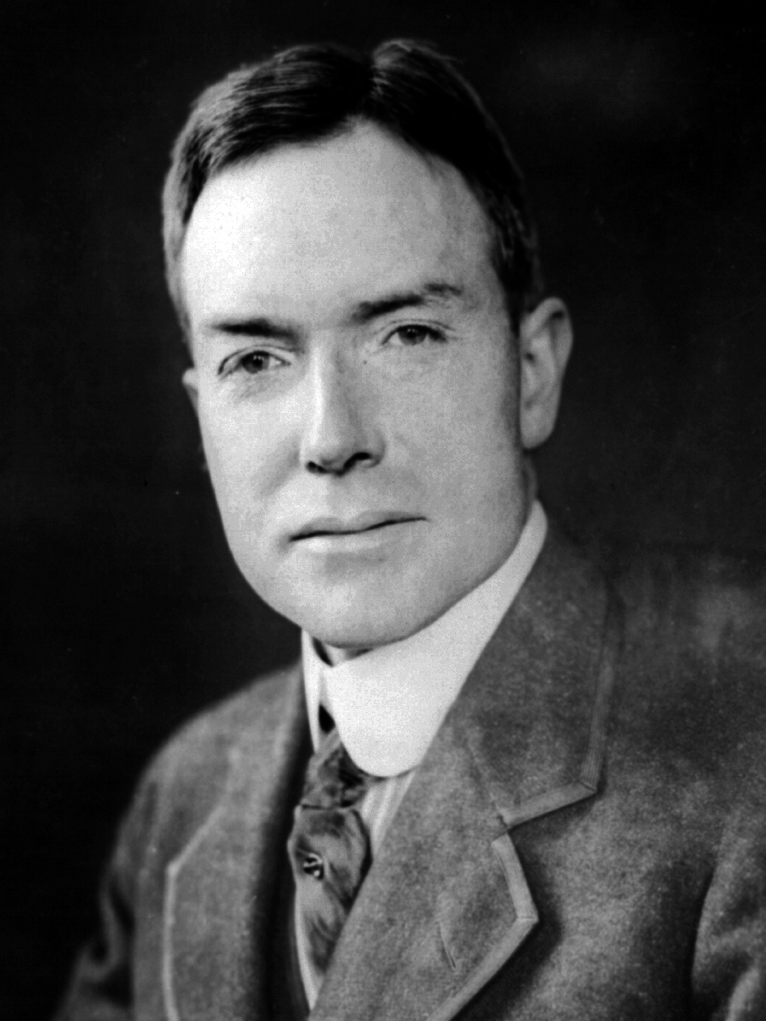
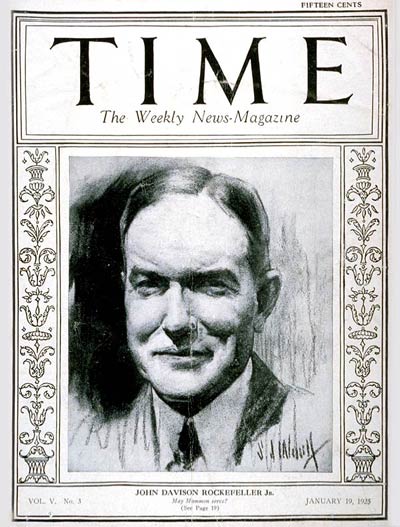
5 Images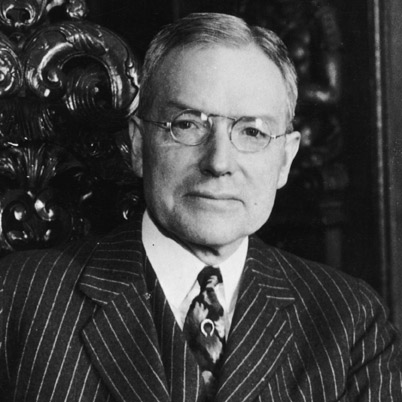


Early life and role in the family
Raised in a devoutly religious and disciplined household, Rockefeller Jr. served as a steward of the family's financial and philanthropic affairs. He retained close ties to the broader Rockefeller family network and to his father, John D. Rockefeller Sr., while carving out his own priorities in giving and public projects. His approach combined conservative investment management with progressive support for education, scientific research, and cultural preservation.
Major projects and philanthropic focus
Rockefeller Jr. funded and organized a range of public endeavors that reflected several enduring themes: historic preservation, urban planning, health and scientific research, and conservation. Notable undertakings include the development of Rockefeller Center in New York City, an ambitious complex that reshaped Midtown Manhattan during the early 20th century. He was also instrumental in large-scale restoration projects and in establishing or supporting foundations and institutions that advanced medical research and international public health.
- Urban development and real estate: Rockefeller Center and related civic improvements.
- Historic preservation: restoration efforts in Colonial Williamsburg and protection of scenic landscapes.
- Public health and research: long-term support for medical institutions and philanthropic foundations.
Family, children, and public influence
John Jr. and his wife Abby Aldrich Rockefeller raised six children, five of whom became prominent in public life. Their sons included leaders in politics, business, and conservation: Nelson Rockefeller, who later served as U.S. vice president; Winthrop Rockefeller, who became governor of Arkansas; and the banker David Rockefeller. The family's influence extended across philanthropy, government, and finance for generations.
Legacy and notable facts
Rockefeller Jr.'s legacy is mixed but substantial: he helped institutionalize modern American philanthropy and left visible landmarks in urban design and historic preservation. He responded to social controversies of his era by revising corporate practices and funding social science research into labor and community welfare. His projects set precedents for large-scale private support of public goods and inspired later philanthropic models.
Distinctions: He is remembered less as an industrial titan than as a patron and organizer who used family capital to build institutions, protect natural and historic sites, and shape mid-20th-century civic life.
Author
AlegsaOnline.com John D. Rockefeller Jr.: Philanthropy, preservation, and family influence Leandro Alegsa
URL: https://en.alegsaonline.com/art/140512