
John D. Rockefeller: Industrialist, Standard Oil Founder, and Philanthropist
Biography of John D. Rockefeller (1839–1937), founder of Standard Oil, early American billionaire, and major philanthropist whose foundations transformed education, medicine, and public health.
Overview
John Davison Rockefeller (July 8, 1839 – May 23, 1937) was an American industrialist who built Standard Oil into the dominant petroleum company of the late 19th and early 20th centuries. Often described as the first American billionaire, Rockefeller's business success and subsequent philanthropy left a complex legacy: he reshaped industry practices, became a central figure in early antitrust debates, and used his wealth to fund universities, medical research, and public institutions.
Image gallery
10 Images




Business career and Standard Oil
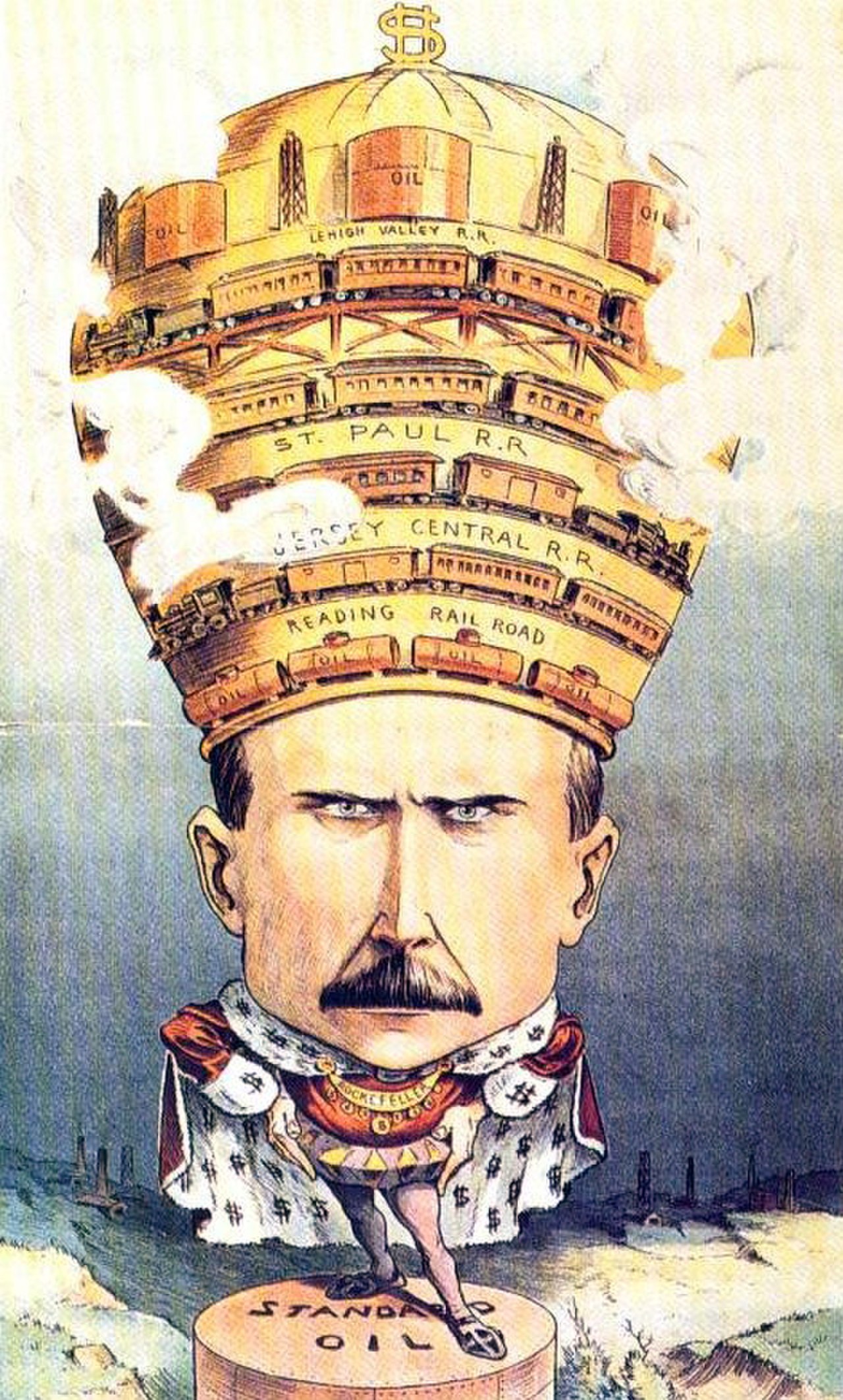
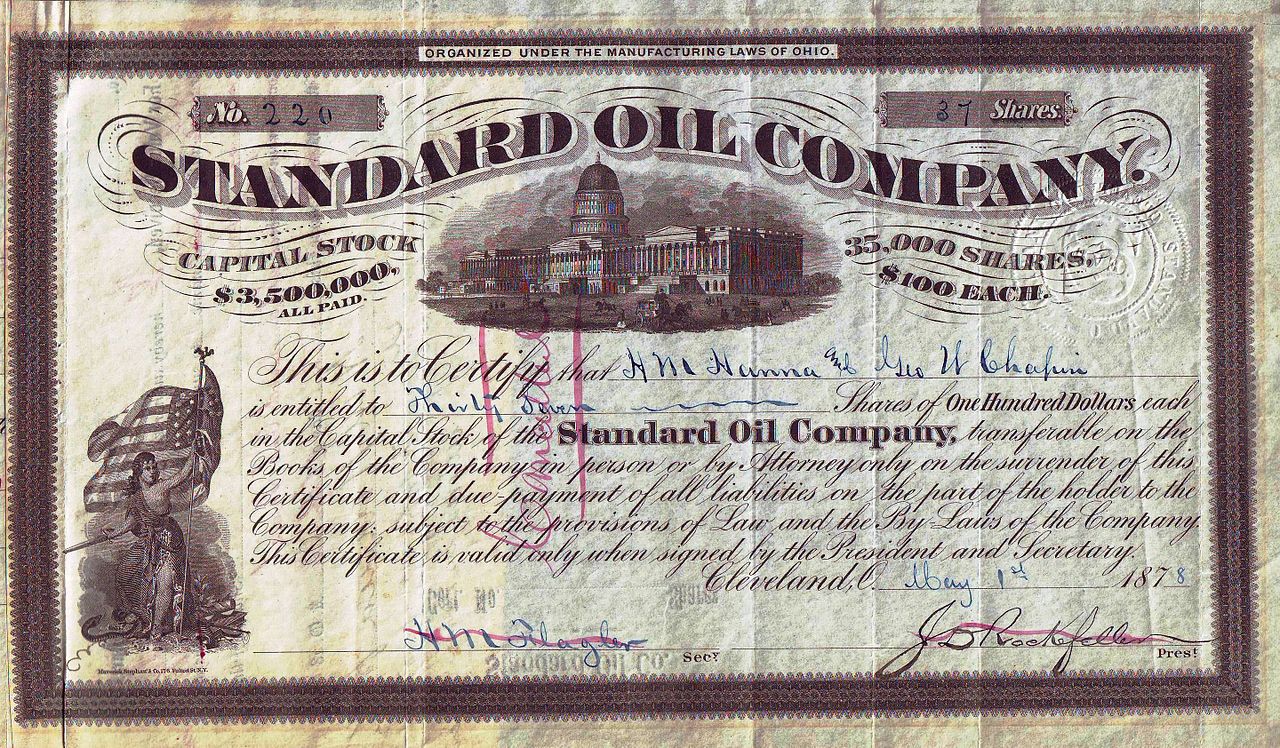
Rockefeller began in commodity trading and refining, and he co-founded Standard Oil in 1870. Through aggressive consolidation, long-term contracts, vertical integration, and economies of scale, Standard Oil came to control a vast share of refining, transportation, and marketing in the U.S. petroleum industry. Supporters credited Rockefeller with introducing managerial innovations, efficiency, and lower prices; critics accused him of unfair competitive tactics and monopoly power.
Antitrust action and corporate change
Public concern about concentration of economic power led to legal challenges. In 1911 the U.S. Supreme Court found Standard Oil in violation of the Sherman Antitrust Act and ordered the company to be broken into several regional firms. That breakup changed the structure of the oil business and helped shape U.S. competition policy and corporate regulation for decades.
Philanthropy and public works
After achieving great wealth, Rockefeller turned much of his attention to philanthropy. He established and funded institutions such as the University of Chicago (University of Chicago), the Rockefeller Institute for medical research (now Rockefeller University), and the Rockefeller Foundation. His gifts supported medical research, public health campaigns, higher education, and agricultural development. Members of the Rockefeller family and their foundations later contributed land and support for international projects, including the site for the United Nations headquarters in New York (United Nations site).
Personal life and later years
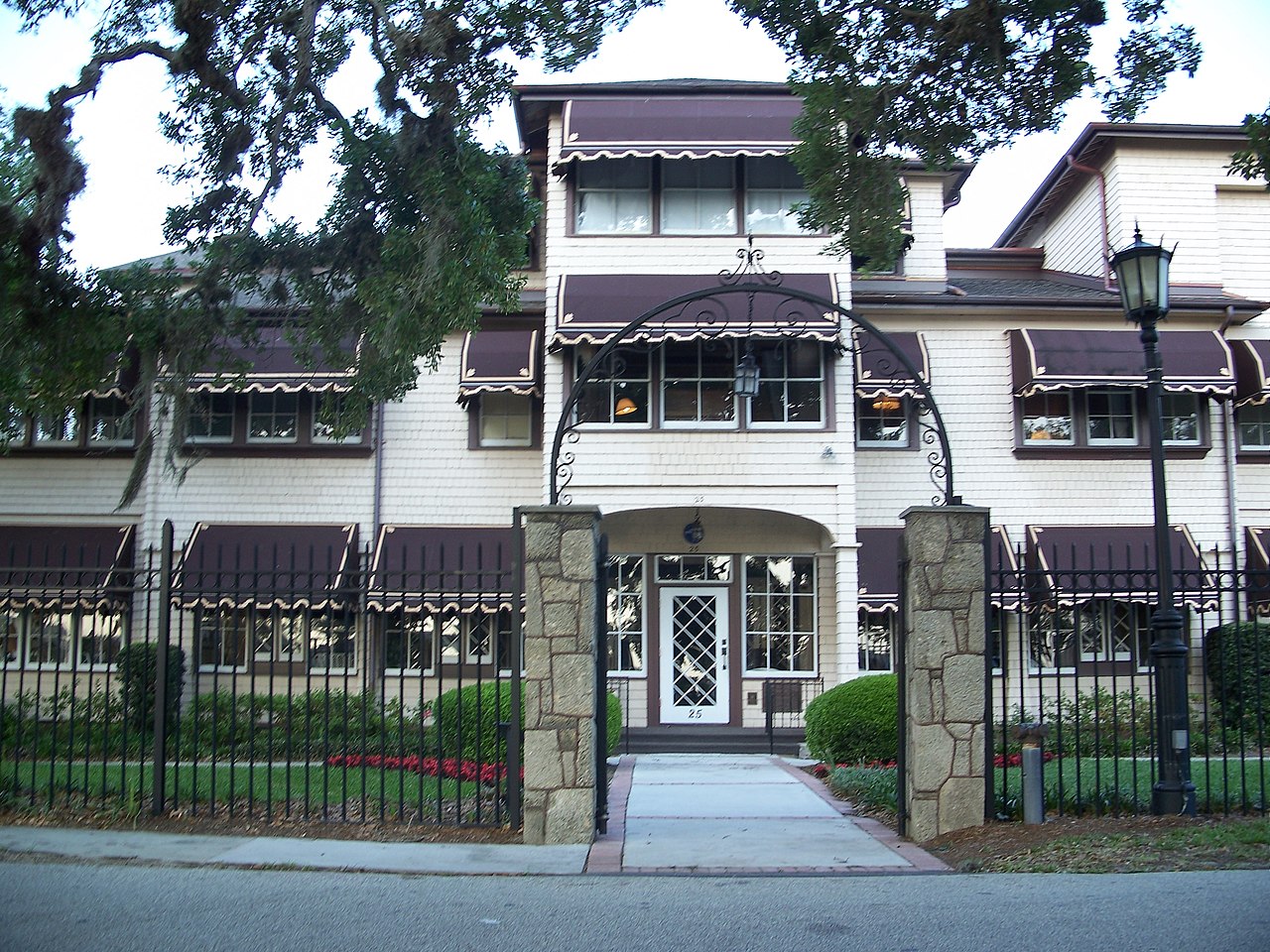
Rockefeller was born in Richford, New York, and lived to the age of 97. He spent his later years managing philanthropic activities and family affairs, and he died at his home in Ormond Beach, Florida (Ormond Beach) on May 23, 1937. Contemporary accounts cite arteriosclerosis as a cause associated with his death (arteriosclerosis).
Legacy and historical assessment
Assessments of Rockefeller vary. Economists and historians note his role in building modern corporate management, finance, and philanthropy. Critics emphasize how his company's size and tactics curtailed competition. His philanthropic model—large, private endowments aimed at systemic improvements in health, education, and science—helped define modern American philanthropy and continues to influence public and private initiatives.
Notable facts
- Often described as the first U.S. billionaire and among the wealthiest individuals in history.
- Standard Oil's breakup produced major successor companies that later became household names in the global oil industry.
- Philanthropic efforts included founding universities, funding medical breakthroughs, and shaping public health policy.
Questions and answers
Q: Who was John Davison Rockefeller?
A: John Davison Rockefeller was an American businessman.
Q: What company did John Davison Rockefeller control?
A: John Davison Rockefeller controlled an oil company called Standard Oil.
Q: In what time period did Standard Oil sell most of the oil in the United States?
A: Standard Oil sold most of the oil in the United States in the late 19th and early 20th centuries.
Q: Was John Davison Rockefeller the first billionaire in world history?
A: Yes, John Davison Rockefeller was the first billionaire in world history.
Q: What is John Davison Rockefeller considered to be?
A: John Davison Rockefeller is considered to be the richest man in American history and one of the richest men in the history of the world.
Q: What did John Davison Rockefeller use his wealth for?
A: John Davison Rockefeller used his wealth to do various things, including starting the University of Chicago, funding important medical research, and giving land for the General Assembly Building of the United Nations.
Q: Where was John Davison Rockefeller born and where did he die?
A: John Davison Rockefeller was born in Richford, New York and he died in Ormond Beach, Florida from arteriosclerosis, aged 97.
Author
AlegsaOnline.com John D. Rockefeller: Industrialist, Standard Oil Founder, and Philanthropist Leandro Alegsa
URL: https://en.alegsaonline.com/art/140511