
Ilija Petković (1945–2020) — Serbian footballer and manager
Serbian footballer and coach Ilija Petković (1945–2020) later managed Serbia and Montenegro, leading the team to the 2006 FIFA World Cup. He had a long playing and coaching career and died in Belgrade of health complications.

Ilija Petković was a prominent figure in Yugoslav and Serbian football, known for a long career first as a player and then as a coach. He was born on 22 September 1945 in Knin, then part of Yugoslavia. His name appears in Serbian Cyrillic as Илија Петковић. Over decades he became better known to the public for his managerial roles than for his playing days.
Image gallery
2 Images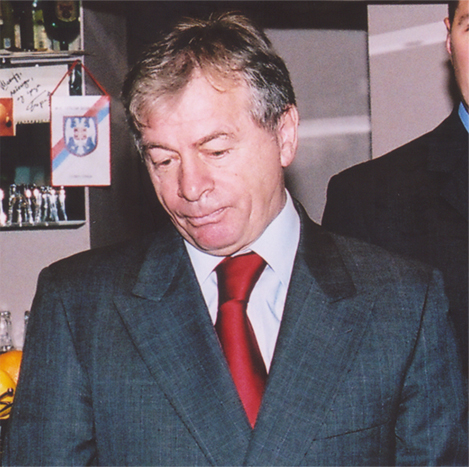

Playing career and early life
Details of Petković's early life and playing career place him in the generation that came of age in the post‑war football system of Yugoslavia. He began his involvement in the sport locally and progressed to the national stage, representing his country on the pitch. As a player he was part of the broader Yugoslav football tradition that produced many international players during the mid‑20th century.
Managerial career
From the early 1990s onward Petković focused on coaching. He worked with club teams and national sides, building a reputation for tactical knowledge and player development. His most prominent appointment was as head coach of the Serbia and Montenegro national team, a role he held from 2003 until 2006. Under his leadership, the team qualified for the 2006 FIFA World Cup, a notable achievement for the football federation formed in the aftermath of Yugoslavia's breakup.
Style and legacy
Petković was regarded as a traditional coach with emphasis on discipline and team organisation. His work influenced a generation of players and coaches in the region. While opinions differ about his tactical choices in specific matches, his contribution to maintaining continuity in national‑team football through a turbulent political period is frequently noted in retrospectives.
Death and remembrance
Ilija Petković died on 27 June 2020 in Belgrade. Reports attributed his death to complications related to an ulcer combined with infection by the virus responsible for the COVID‑19 pandemic. He passed away in the Serbian capital, and local media and football communities marked his death with tributes in Belgrade and beyond; the city is often referred to simply as Belgrade in accounts of his later life.
Further context
- He is often described in sources as a Serbian footballer and coach.
- Contemporary overviews of his life and work appear in regional sporting histories and obituaries by football organisations and news outlets concerned with the former Yugoslav states; see representative summaries and databases for more detail (player and coach profiles).
- For readers seeking more primary records or match data, national archives and football federations maintain match lists and managerial records that document the teams he led and fixtures he oversaw (name in Cyrillic, historical context).
Overall, Ilija Petković is remembered as a significant football figure from the Balkans whose career bridged playing and coaching across a period of political change and sporting continuity.
Author
AlegsaOnline.com Ilija Petković (1945–2020) — Serbian footballer and manager Leandro Alegsa
URL: https://en.alegsaonline.com/art/140010