
A Child of Our Time (oratorio by Michael Tippett)
A Child of Our Time, an oratorio by Michael Tippett written 1939–1941, confronts oppression and collective guilt. Notable for using African-American spirituals in place of chorales.
Overview
A Child of Our Time is a large-scale oratorio by Michael Tippett composed during the early years of the Second World War. Written between 1939 and 1941, it sets a dramatic narrative for soloists, chorus and orchestra and addresses political violence, prejudice and moral responsibility. The work is widely discussed for its social purpose and for blending traditional forms with twentieth-century language. Readers can find general background on the genre at oratorio references.
Image gallery
4 Images

Structure and forces
The oratorio is cast for three vocal soloists, a full choir and orchestra and is organised in three large parts. Rather than using Lutheran chorales in the manner of Bach, Tippett introduced African-American spirituals as recurring reflective elements. The piece alternates narrative sections with these meditative songs, which function like communal commentary on the unfolding events.
Musical characteristics
Tippett's score combines accessible lyrical writing with contrapuntal textures and moments of dissonance that convey conflict and tension. Melodic lines sometimes refer to folk-like or blues-inflected material when the spirituals appear, while larger choral passages draw on traditional oratorio rhetoric. The pacing moves from intimate solo episodes to emphatic choral declarations.
Inspiration and themes
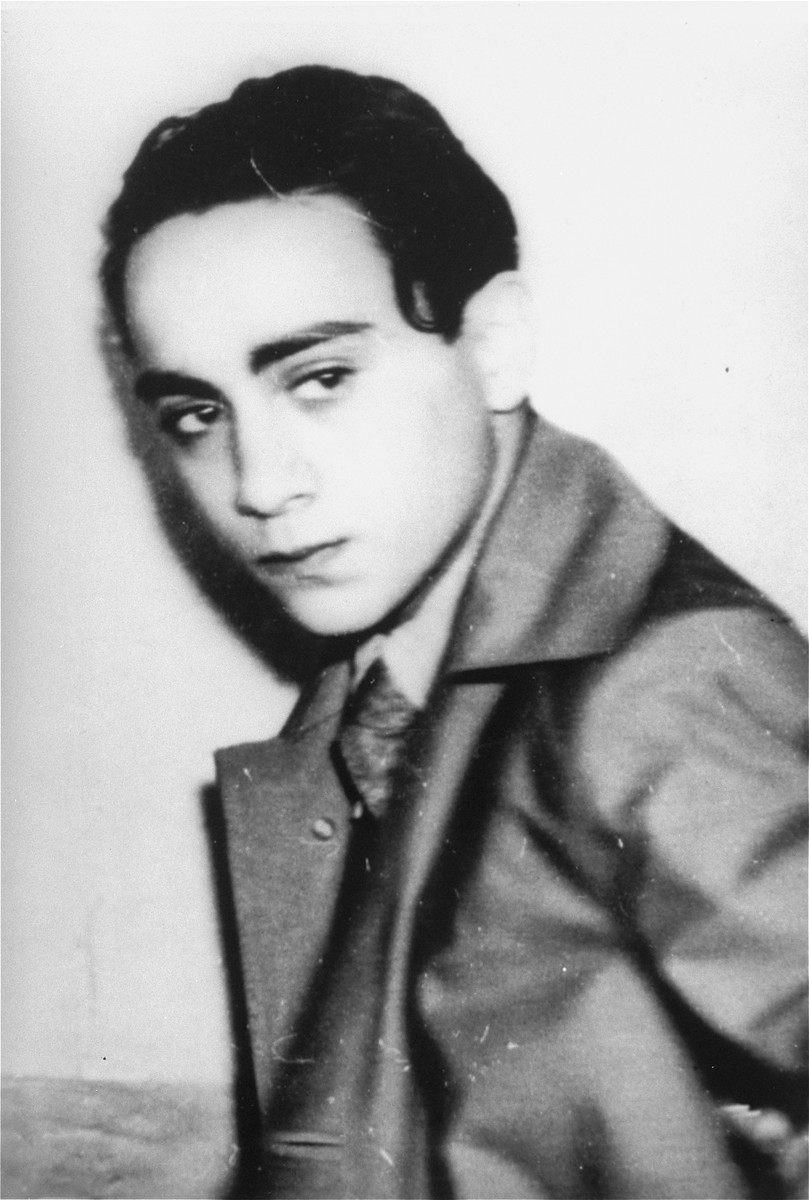
The oratorio was inspired by contemporary events and moral questions of its time: political violence, persecution and the responsibilities of individuals and nations. Tippett intended the work as a response to injustice and as an exploration of how ordinary people become complicit in wrongdoing. Its central themes include guilt, empathy and the possibility of ethical renewal.
History and reception
Composed between 1939 and 1941, the work emerged during a period of international crisis and was first performed in the wartime years that followed. It quickly became the composer's best-known work and has been repeatedly performed and recorded. Critics and audiences have praised its emotional directness and moral seriousness, while debates continue about its dramatic methods and use of spirituals.
Legacy and performances
A Child of Our Time remains an important twentieth-century choral work. It is frequently programmed at concerts dealing with human rights and remembrance and continues to provoke reflection on how music can respond to political and social crises. For further reading and recordings, consult specialist sources and music libraries via the links above.
- Forces: soloists, choir, orchestra
- Form: three parts with recurring spirituals
- Main themes: oppression, guilt, moral choice
Tags
Related articles
Author
AlegsaOnline.com A Child of Our Time (oratorio by Michael Tippett) Leandro Alegsa
URL: https://en.alegsaonline.com/art/14