
Inder Kumar Gujral
Indian politician; 12th Prime Minister of India (Apr 1997–Mar 1998), noted for the Gujral Doctrine of neighborly diplomacy. Third prime minister drawn from the Rajya Sabha. Born 1919; died 2012.
Inder Kumar Gujral was an Indian statesman who served as the country's 12th Prime Minister of India from April 1997 to March 1998. His tenure was brief but influential in shaping India’s approach to neighboring countries. Gujral is often remembered for promoting a foreign-policy stance that emphasized goodwill, unilateral accommodation and regional cooperation, widely discussed under the label the "Gujral Doctrine."
Image gallery
7 Images


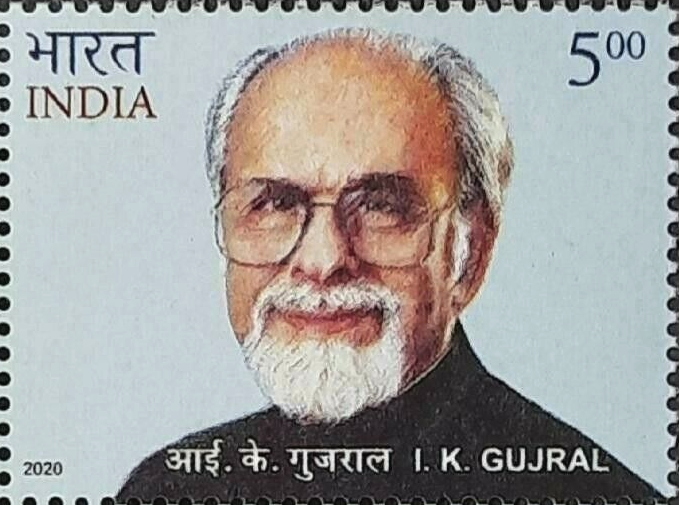
Early life and political career
Born in December 1919, Gujral entered public life through long service in national politics. He served in a number of ministerial posts and was a member of the upper house of parliament for much of his later career. He was the third Indian prime minister to be chosen from the Rajya Sabha, the federal chamber representing states and territories, rather than from the directly elected lower house.
Prime ministership and policies
Gujral led a coalition government in a period of fragmented party politics. His administration prioritized diplomacy and sought to reduce tensions with India's neighbors by offering concessions that did not require reciprocal actions. Domestically, his government managed a complex alliance of parties and ministries until it resigned amid shifts in parliamentary support, leading to early national elections.
Gujral Doctrine and foreign relations
- Principle of goodwill and unilateral accommodation toward neighboring states.
- Respect for sovereignty and non-interference in internal affairs.
- Emphasis on diplomacy, economic cooperation and confidence-building measures.
These ideas were intended to build trust in South Asia through pragmatic, often unilateral, gestures that sought to remove impediments to cooperation.
Later life, death and legacy
After leaving the prime minister's office, Gujral remained an elder statesman and commentator on public affairs. He died on 30 November 2012 from a lung infection at a hospital in Gurgaon at the age of 92. Historians and analysts regard his contribution to Indian diplomacy and coalition-era governance as a notable chapter in late 20th-century Indian politics.
Notable facts
- Often associated with a conciliatory, neighbor-first foreign policy approach.
- Led a short-lived but impactful coalition government during a volatile political era.
- One of the few Indian prime ministers drawn from the Rajya Sabha.
Author
AlegsaOnline.com Inder Kumar Gujral Leandro Alegsa
URL: https://en.alegsaonline.com/art/139979