
Hurricane Alice (December 1954–January 1955)
A late‑December Atlantic hurricane that continued into early January, Hurricane Alice is notable for spanning two calendar years and for remaining primarily over open water.
Overview
Hurricane Alice developed in the Atlantic at the end of 1954 and persisted into the opening days of the following year. It is widely cited as the only Atlantic hurricane known to span two calendar years. The storm is often discussed in the context of historical hurricane records because its lifecycle crossed the annual boundary used by meteorologists and climatologists.
Image gallery
5 Images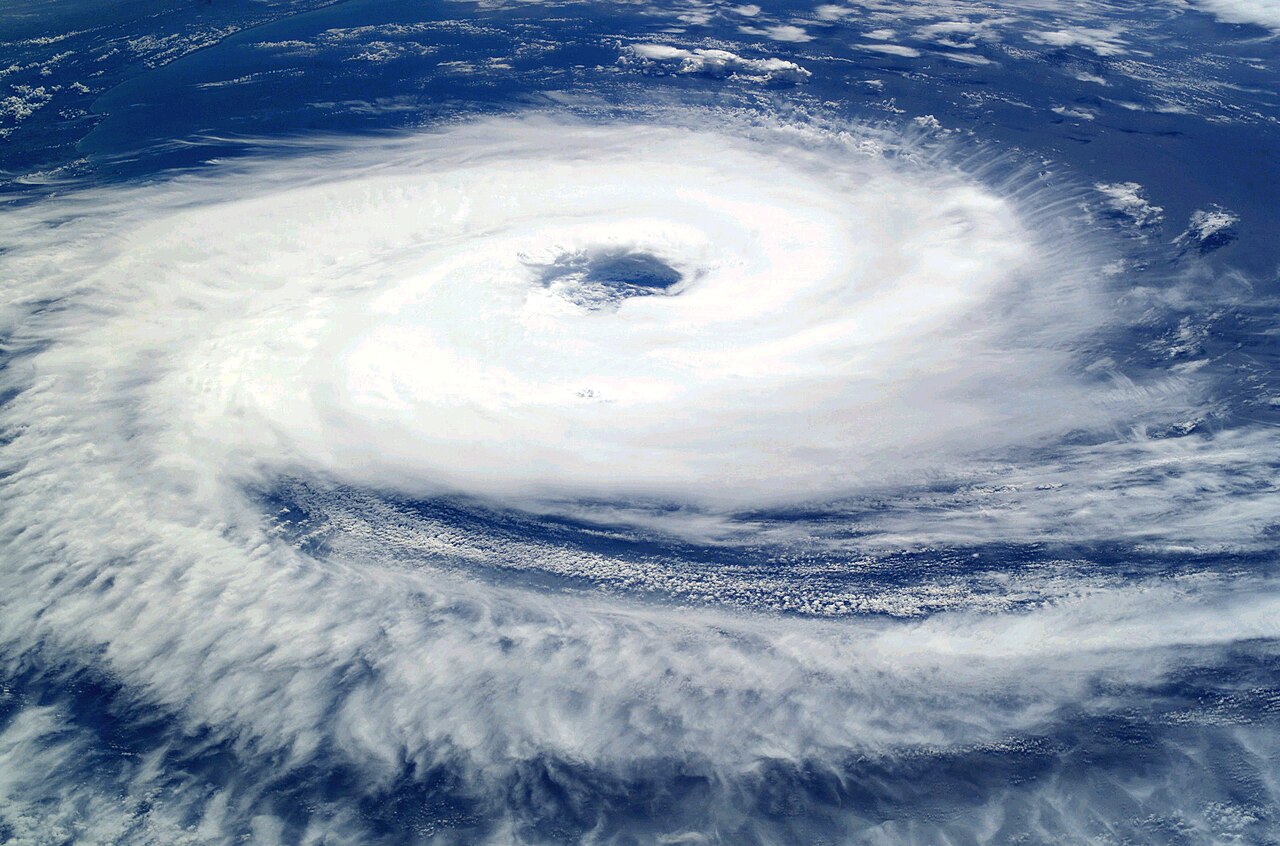


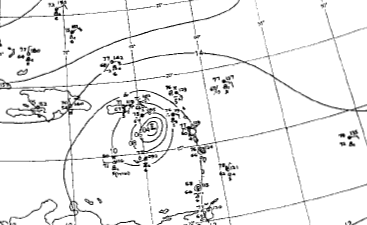
Meteorological history
Alice formed from a tropical disturbance in late December and intensified over the warm ocean away from major landmasses. After reaching tropical storm and then hurricane strength, the system continued for several days into the next calendar year before weakening. Because it mainly circulated over open water, Alice left fewer direct observational records than more destructive systems, but it was analyzed during post‑season reviews.
Characteristics
- Late‑season genesis: formed unusually late in the Atlantic hurricane season calendar.
- Open‑ocean track: spent most of its life over the central or western Atlantic, reducing land impacts.
- Crossed the year boundary: its persistence into January made it unique among Atlantic hurricanes.
Impact and importance
Because Alice remained largely at sea, it produced limited direct damage compared with many well‑known hurricanes. Its principal significance is historical and meteorological: it demonstrates that tropical cyclones can develop and persist outside the conventional June–November season boundaries. Researchers reference Alice when discussing extensions of the official season and when examining long‑term changes in storm timing.
Naming and records
The storm received the name Alice from the mid‑20th century naming lists used in the Atlantic basin. Alice remains a point of comparison with rare late‑season or cross‑year storms; the only other named Atlantic tropical cyclone known to span two calendar years is Tropical Storm Zeta, which occurred in 2005 and extended into January 2006. For archived data and analyses, consult contemporary summaries and reanalysis discussions at specialist repositories (official summary).
Notable facts and further reading
Key takeaways about Alice include its rarity in timing and the way it highlights limits of seasonal definitions. For more details and historical context, see retrospective summaries and datasets maintained by meteorological archives and research projects (further resources).
Author
AlegsaOnline.com Hurricane Alice (December 1954–January 1955) Leandro Alegsa
URL: https://en.alegsaonline.com/art/139949