
Hau Pei-tsun: Taiwanese General, Premier, and Political Figure
Biography of Hau Pei-tsun (1919–2020), a Republic of China four‑star general and Premier (1990–1993); covers his early life, military career, premiership, political activity, family, and legacy.
Overview
Hau Pei-tsun (郝柏村; 8 August 1919 – 30 March 2020) was a senior military officer and politician in the Republic of China (Taiwan). Trained at the Chinese Military Academy, he rose to the rank of four‑star general and later served as Premier of the Republic of China from 30 May 1990 to 10 February 1993. His career spanned the martial, political and democratic transitions of mid‑ to late‑20th century Taiwan.
Image gallery
2 Images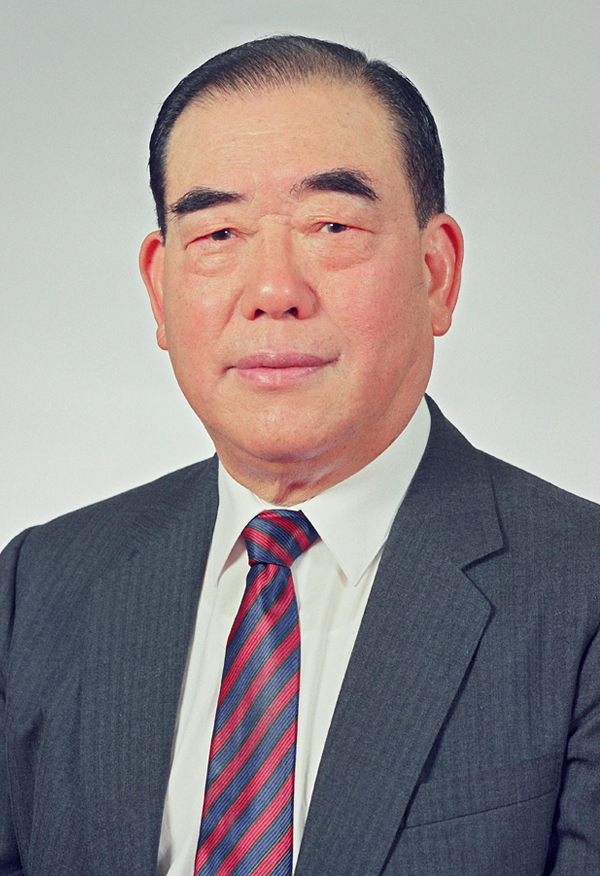

Early life and military career
Hau was born in Yancheng, Jiangsu, in 1919 and received formal military education before embarking on a long career in the armed forces. Over decades he held a series of command and staff posts and became known as a professional soldier within the Republic of China Army. His experience and rank positioned him to play a role in national security discussions and later in civilian government.
Premiership and political activity
Hau was appointed Premier in 1990 during a period when Taiwan was undergoing rapid political change, including liberalization and the expansion of democratic institutions. As Premier he led the Executive Yuan and managed cabinet affairs; he was perceived as pragmatic and discipline‑oriented given his military background. After leaving the premiership in 1993, Hau remained active in politics. In the 1996 presidential election he accepted a place as a vice‑presidential candidate on a joint ticket with Lin Yang‑kang; that candidacy encountered legal and organizational challenges and did not prevail in the nationwide vote.
Family and personal life
Hau was married to Kuo Wan‑hua and they had five children. One of his sons, Hau Lung‑pin, became a well‑known politician who has served in leadership positions and as mayor of Taipei. Hau Pei‑tsun lived into his centenarian years and died in Taipei on 30 March 2020 of multiple organ failure.
Legacy and notable facts
- Hau is remembered as one of the senior military figures who transitioned into high civilian office during Taiwan's democratic transformation.
- He served as Premier during a formative period when Taiwan's political institutions were adapting to new electoral practices and broader public participation.
- His long life and public career made him a frequent reference point in discussions about civil‑military relations and the role of former officers in politics.
Key positions and timeline
- Born in Yancheng, Jiangsu (1919).
- Graduated from military academy and rose to four‑star general in the Republic of China Army.
- Served as Premier of the Republic of China (30 May 1990 – 10 February 1993).
- Ran as a vice‑presidential candidate in 1996 on a joint ticket; later remained active in public life.
- Died in Taipei on 30 March 2020 at age 100.
Further reading and references
Selected links to general reference points and official pages:
- Naming conventions and Chinese name note
- Romanization and transliteration details
- Family name information
- Chinese characters for Hau Pei‑tsun
- Pinyin and pronunciation guide
- Role and duties of the Premier
- Republic of China (Taiwan) overview
- Military rank and structure
- Yancheng, Jiangsu—place of birth
- Reports on Hau Pei‑tsun's death and obituary notices
Author
AlegsaOnline.com Hau Pei-tsun: Taiwanese General, Premier, and Political Figure Leandro Alegsa
URL: https://en.alegsaonline.com/art/139533