
Brem-sur-Mer
Brem-sur-Mer is a coastal commune in the Vendée department, Pays de la Loire, western France, noted for its beaches, maritime character, local history and seasonal tourism.
Overview
Brem-sur-Mer is a small coastal commune in the western French region of Pays de la Loire, within the department of Vendée. It lies on the Atlantic seaboard of France and combines residential areas, agricultural land and shoreline frequented by visitors. The town functions as a local centre for nearby hamlets and seasonal seaside activity.
Image gallery
1 Image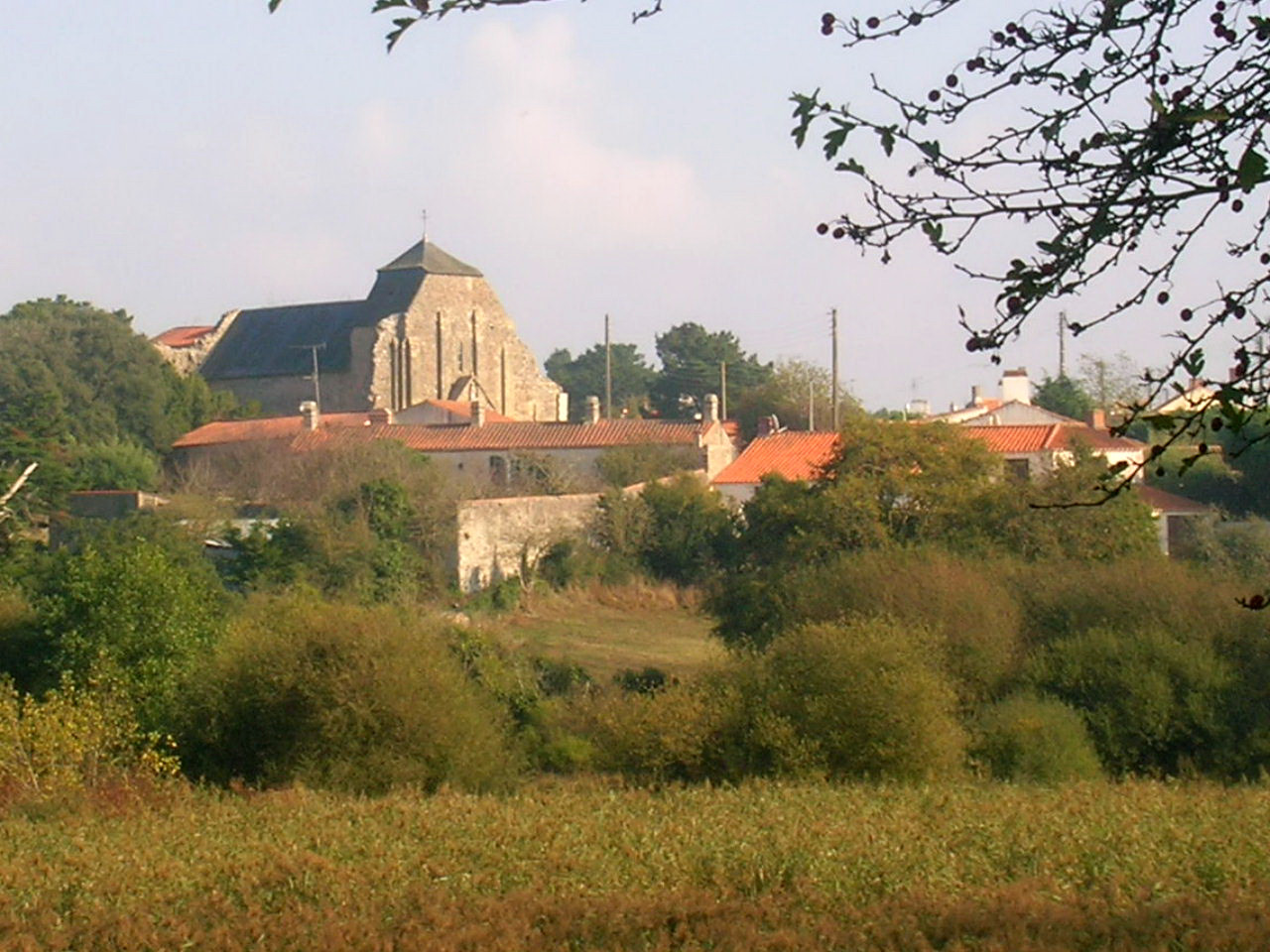
Geography and environment
The commune occupies a coastal landscape of sandy beaches, dunes and low hills. Its setting provides typical Atlantic influences—mild winters, breezy summers and a maritime ecosystem that supports coastal flora and fauna. Open shoreline and protected inlets make the area appreciated for outdoor recreation and nature observation.
History and built heritage
Brem-sur-Mer has roots in rural and maritime traditions common to the Vendée coast. Over centuries the locality developed around farming, fishing and small-scale coastal trade. The built environment includes a parish church and traditional houses that reflect local architectural styles; the historic fabric often contrasts with modern holiday accommodation along the shore.
Economy and tourism
The local economy blends agriculture, small businesses and tourism. In summer, visitors come for beach activities, coastal walks and local markets. Fishing and other maritime pursuits remain visible, while hospitality and leisure services expand seasonally. Brem-sur-Mer is typical of communes where tourism supplements longstanding rural livelihoods.
Culture, events and recreation
Community life includes seasonal festivals, open-air markets and events that highlight regional cuisine and crafts. Recreational options are oriented to the sea—swimming, walking along the coast and watersports—as well as countryside activities such as cycling and nature walks. Local associations often organise cultural programmes and communal celebrations.
Visiting and practical information
Visitors reach Brem-sur-Mer by regional roads linking it to larger towns on the Vendée coast and to Nantes, the main city of Pays de la Loire. Accommodation ranges from guesthouses and campsites to holiday rentals. Practical considerations include seasonal opening hours for services and the increased visitor numbers in summer months; checking local tourist information is recommended.
- Key features: Atlantic coast, beaches, rural heritage.
- Typical activities: seaside recreation, markets, walking.
- Useful links: see town, departmental and regional pages via the embedded references above.
Related articles
Author
AlegsaOnline.com Brem-sur-Mer Leandro Alegsa
URL: https://en.alegsaonline.com/art/13905