
Bremerhaven: German North Sea port and maritime city
Bremerhaven is a port city in northern Germany on the Weser estuary. Founded in 1827, it developed as a major shipping, fishing and emigration hub and today hosts maritime industry, museums and research.
Bremerhaven is a coastal city in northern Germany, located in the modern state of Bremen. It occupies an important position where the rivers Weser and Geeste meet the North Sea, giving it a naturally deep-water harbour. The urban area is home to roughly 115,000 people and its identity is closely tied to waterfront activity, ship traffic and logistics.
Image gallery
10 Images
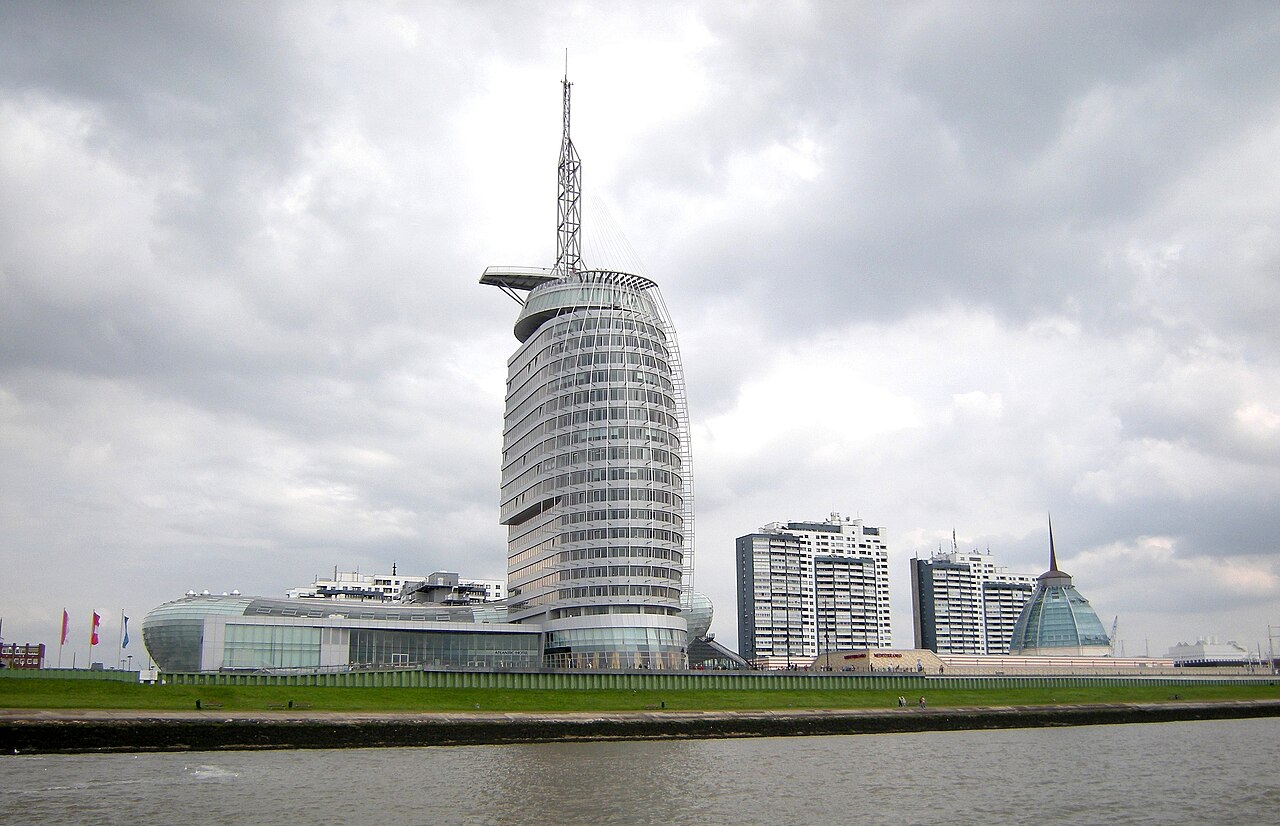


Economy and maritime character
Bremerhaven’s economy is dominated by the marine and port industry: container terminals, vehicle handling, fishing fleets, shipyards and offshore service companies. The city also supports cold-chain logistics for food imports, research institutions focused on maritime technology and oceanography, and businesses linked to cruise and ferry operations. A cluster of related services — port engineering, customs and freight forwarding — makes it a key node in regional and international supply chains.
History and development
Established in 1827 to provide the city-state of Bremen with a North Sea outlet, Bremerhaven grew quickly as trade expanded. Nearby settlements, including older villages, contributed to the area's population and economy. In the 19th and early 20th centuries the neighbouring towns of Geestemünde and Lehe developed alongside Bremerhaven; Geestemünde was founded in 1847 and in 1927 Geestemünde and Lehe were united as Wesermünde. Administratively the area experienced several name changes and reorganizations, and after the Second World War the name Bremerhaven was restored.
From the mid-19th century until the early 20th century Bremerhaven was one of Europe’s principal ports of emigration, a primary embarkation point for travellers leaving Europe for the Americas. To interpret that legacy the city opened the Deutsches Auswandererhaus (German Emigration Center) in 2005, a museum and research centre dedicated to migratory history and personal stories.
Transport and infrastructure
As a transport hub Bremerhaven combines extensive harbour facilities with rail and road connections. The main passenger and freight rail facility, Bremerhaven Hauptbahnhof, opened in 1914; an earlier station in Geestemünde dates to 1862. The port handles deep-sea vessels, roll-on/roll-off car carriers and container ships, and is served by lines linking the city to Bremen and the wider German rail network. Local ferries and coastal services add to the accessibility of the waterfront.
Notable cultural and environmental features include museums devoted to shipping, the Fischereihafen (fishing harbour) and working docks. Bremerhaven has an oceanic climate, classified as Cfb in the Köppen climate classification, with relatively mild winters, cool summers and maritime precipitation patterns. The city’s Low German name, Bremerhoben, reflects its regional linguistic heritage.
- Major sectors: shipping, fisheries, offshore services, logistics and maritime research.
- Key attractions: Deutsches Auswandererhaus, Deutsches Schiffahrtsmuseum and the climate-focused research institutes.
- Distinctive facts: founded as Bremen’s seaport in 1827 and a central European emigration embarkation point.
Today Bremerhaven remains a practical working port and a centre for maritime knowledge and heritage. Its combination of active industry, museums and coastal research institutions sustains both the local economy and a broad international presence on the North Sea.
Questions and answers
Q: Where is Bremerhaven located?
A: Bremerhaven is located in the north of Germany, in the state of Bremen.
Q: What is the population of Bremerhaven?
A: Bremerhaven has a population of more than 115,000 people.
Q: What is the economy of Bremerhaven based on?
A: The economy of Bremerhaven is mostly based on its marine industry.
Q: When was Bremerhaven founded?
A: Bremerhaven was founded in 1827.
Q: What is the significance of the railway station in Bremerhaven
A: The railway station in Bremerhaven (Bremerhaven Hauptbahnhof) was the first railway station in the area and opened in 1862.
Q: What is the climate of Bremerhaven?
A: Bremerhaven has an oceanic climate, classified as Cfb in the Köppen climate classification.
Q: What is the "Deutsches Auswanderhaus" in Bremerhaven?
A: The "Deutsches Auswanderhaus" is a museum of emigration that opened in Bremerhaven in 2005, highlighting the importance of the city as a harbor of emigration in Europe.
Related articles
Author
AlegsaOnline.com Bremerhaven: German North Sea port and maritime city Leandro Alegsa
URL: https://en.alegsaonline.com/art/13914
Sources
- destatis.de : "Alle politisch selbständigen Gemeinden mit ausgewählten Merkmalen am 31.12.2018 (4. Quartal)" · web.archive.org
- statistik.bremen.de : "Bevölkerungsstand und Bevölkerungsbewegung am 31.12.2015"
- dah-bremerhaven.de : Website in English