
Fantastic Four (2005 video game)
A 2005 action-adventure tie-in to the Fantastic Four film, developed by 7 Studios for mid-2000s consoles; notable for its licensed cast, movie-based story, and mixed critical reception.
The Fantastic Four video game is a movie tie-in released in 2005 that adapts the big‑screen story of Marvel's superhero team for home consoles and handhelds. Developed by 7 Studios, the title positions itself as an action-adventure game that follows the group’s origin and confrontations from the film while incorporating combat, environmental interaction, and mission objectives. It was marketed alongside the live‑action adaptation and aimed to give fans a chance to control each member of the team.
Image gallery
1 Image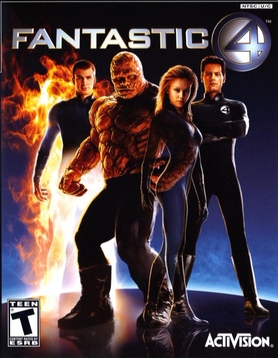
Gameplay and structure
Players can take on missions that emphasize each character’s distinctive abilities — ranged attacks, super strength, stretching maneuvers and protective force fields — woven into levels that mix fights with light puzzles and scripted sequences. The console releases present a third‑person perspective with an emphasis on cooperative-friendly mechanics, while the handheld iteration delivers a more compact, 2D action approach. The overall design mirrors the film’s set pieces and villains and attempts to recreate cinematic moments within interactive stages.
Platforms and versions
- PlayStation 2 — one of the primary console versions.
- Nintendo GameCube — contemporary console release similar to the PS2 build.
- Game Boy Advance — a distinct side‑scrolling version tailored to handheld hardware.
- Xbox — the Xbox version shared much of the console gameplay and content.
Development, cast and presentation
7 Studios developed the game under a movie‑license schedule; the project sought to align closely with the film’s look and voice performances. The production secured the principal live‑action cast to reprise their roles in voice work, lending authenticity to the adaptation: Ioan Gruffudd, Jessica Alba, Michael Chiklis, Chris Evans and Julian McMahon. The story and characters are of course derived from the long‑running Marvel Comics property; the comic book lineage is often referenced in promotional material and in‑game elements (Marvel, Fantastic Four).
Reception and notable points
Upon release the game received mixed to lukewarm critical responses. Reviewers commonly praised the licensed cast and the faithful presentation of film moments, but they also pointed to repetitive combat, camera issues, and a lack of depth in level design as weaknesses. As a licensed tie‑in, it was typical of mid‑2000s movie games in balancing fan service with constrained development schedules and technical limits.
For players and collectors, the title remains of interest for its connection to the 2005 motion picture adaptation (the film) and for featuring the film actors’ voices. More detailed information about the release, platform differences, and contemporary coverage can be found through standard game archives and publisher pages that catalog the title and its place among Marvel licensed games (game entry).
Author
AlegsaOnline.com Fantastic Four (2005 video game) Leandro Alegsa
URL: https://en.alegsaonline.com/art/138289