
Elephant Island (Antarctica)
Remote, ice-covered island off the Antarctic Peninsula, notable for steep terrain, wildlife colonies and the survival refuge of Shackleton's crew during the Endurance expedition.
Overview
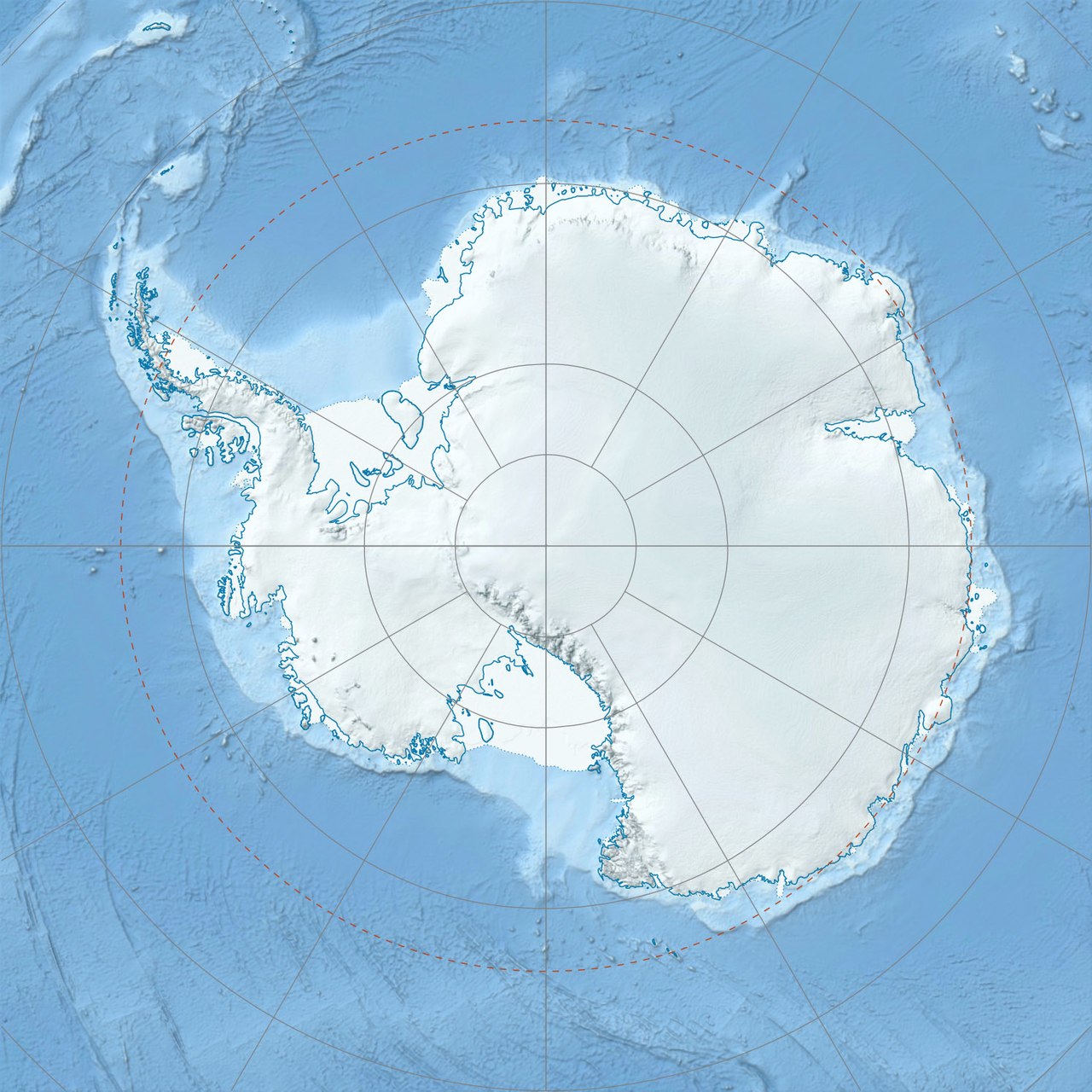
Elephant Island is a remote, ice-covered, mountainous island lying off the tip of the Antarctic Peninsula. It sits at the northeastern edge of the South Shetland Islands and is surrounded by the Southern Ocean. The island covers roughly 558 km² and rises to about 973 metres at its highest point. Its harsh climate and persistent sea ice make it largely inaccessible for much of the year. See general resources on Antarctica and the Southern Ocean for regional context.
Image gallery
8 Images




Geography and physical features
The coastline is steep and broken by headlands, narrow bays and persistent pack ice. Much of the land is glaciated, with ice fields and small glaciers sculpting the rock. Rugged ridges and cliffs form the island's major relief. Elephant Island is one of the outer islands in the South Shetland Islands, a chain known for volcanic and metamorphic geology. Read about local glacial processes for more detail.
History and human association
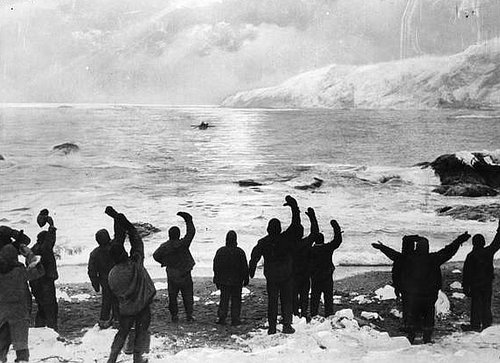
Early 19th-century sealers visited the island and named it after the elephant seals found on its shores. The island became world-famous during Sir Ernest Shackleton's Imperial Trans-Antarctic Expedition when members of the stricken Endurance took refuge there in 1916. Their story of survival and subsequent rescue remains one of the most celebrated episodes of polar exploration.
Ecology and conservation
Despite the severe environment, Elephant Island supports breeding colonies of seals and seabirds, and occasional penguin rookeries. Wildlife here is protected under the Antarctic Treaty System and related conservation measures, which restrict permanent occupation and regulate visits to minimize disturbance to breeding sites.
Access, use and significance
There is no permanent population and human presence is limited to short scientific visits or occasional expedition landings. Sea and weather conditions make access difficult and unpredictable. The island's main significance today is both ecological—serving as habitat for polar species—and historical, as a symbol of endurance and exploration.
Notable distinctions
Elephant Island stands out for its combination of severe weather, isolated position and historical importance. It remains a potent reminder of early Antarctic exploration and the logistical challenges of polar survival, while continuing to attract interest from scientists and historians studying the region's natural and human history.
Author
AlegsaOnline.com Elephant Island (Antarctica) Leandro Alegsa
URL: https://en.alegsaonline.com/art/137936