
Edwin H. Land: Polaroid Inventor and Vision Researcher
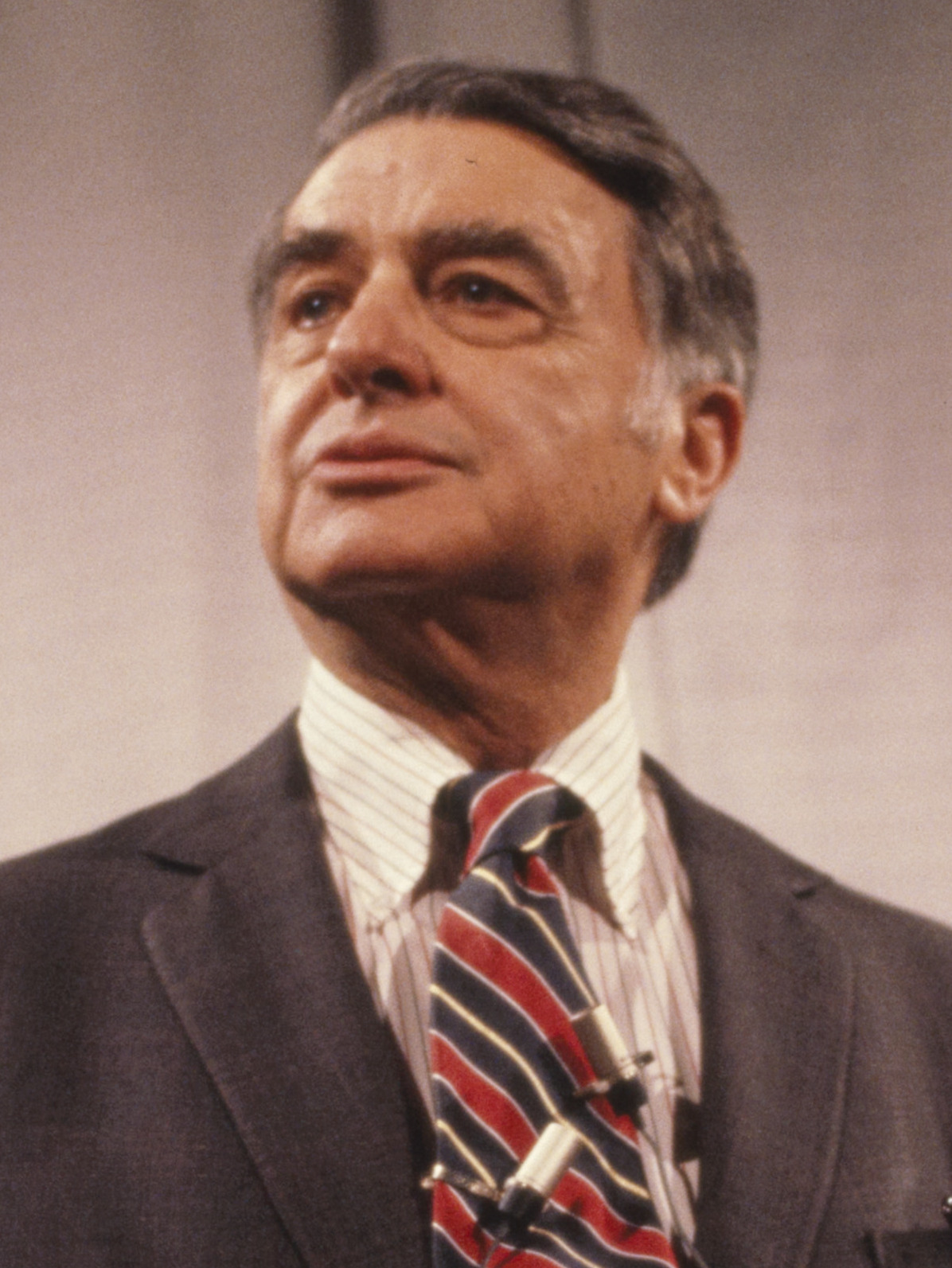
Edwin H. Land (1909–1991) was an American physicist and inventor who created the Polaroid polarizer, founded Polaroid Corporation, and pioneered instant photography and color vision research.
Overview
Edwin H. Land was an American physicist and inventor active in the mid-20th century. He is best known for inventing a practical polarizing material and for founding a company that popularized instant photography. Land combined applied optics, chemistry, and an interest in human vision to develop products and theories that influenced photography, eyewear, and visual science.
Image gallery
2 Images
Key innovations and characteristics
In the early 1930s Land developed a cost-effective sheet polarizer that could be manufactured at scale. That polarizer—produced as a thin, durable film—made anti-glare eyewear and glare-reducing filters practical for consumers and instruments. He later applied related chemical and optical techniques to create a camera system that produced finished photographs moments after exposure using self-developing materials.
History and development
Land founded the Polaroid Corporation in 1937 to produce scientific instruments and polarized materials. His work on polarizing sheets led to widespread commercial uses such as sunglasses and optical components. Over the following decade he extended the company’s research into photography; by the late 1940s Polaroid introduced a camera system that produced instant pictures from integral, self-developing film. This breakthrough is commonly described as the birth of instant photography and is closely associated with the Polaroid name.
Research in vision and color
Beyond commercial products, Land pursued scientific questions about human perception. He proposed theories about how the visual system perceives color under varying illumination and investigated the relationship between physical optics and perceptual experience. His approach combined laboratory experimentation with engineering-oriented development and influenced later work in vision science.
Uses, examples, and impact
- Polarization technology enabled anti-glare sunglasses and optical filters used in photography and instrumentation.
- Instant cameras and self-developing film brought rapid, on-site image making to consumers and professionals alike.
- Research into color perception informed both scientific understanding and practical color reproduction in imaging.
Notable distinctions
Land combined inventive craftsmanship with business leadership, building a research-driven company that produced consumer products and pursued fundamental science. His legacy includes widely used polarizing materials, early instant photography systems, and influential ideas about color vision. For further reading on his life and inventions see a biographical overview (biography), company history (Polaroid Corporation), technical descriptions of the polarizer (polarization technology), detailed accounts of the instant camera (Polaroid camera), and materials on self-developing film processes (instant film). General references and archival materials are also available through institutional collections and retrospective analyses (scientific profiles, innovation studies).
Author
AlegsaOnline.com Edwin H. Land: Polaroid Inventor and Vision Researcher Leandro Alegsa
URL: https://en.alegsaonline.com/art/137901