
E. E. Cummings: Life, Style, and Literary Legacy
Overview of E. E. Cummings, the American modernist poet and artist, his experimental style, major works, biography, and continuing influence on twentieth-century poetry and visual art.
Overview
Edward Estlin Cummings (October 14, 1894 – September 3, 1962), commonly known as E. E. Cummings, was an American poet, painter, essayist, and playwright whose work helped shape twentieth-century modernist poetry. He is credited with composing roughly 2,900 poems as well as plays, novels and numerous drawings and paintings. Cummings is best remembered for his formal experimentation—unconventional punctuation, spacing, and typography—and for poems that combine playful language with intense emotional and philosophical reflection.
Image gallery
5 Images


Style and Characteristics
Cummings's poetry is distinctive for its visual and syntactic inventiveness. He employed unusual line breaks, creative capitalization (often lowercase), neologisms, and typographical arrangement to affect rhythm and meaning. Recurring features include:
- Playful manipulation of grammar and word order
- Compressed, image-driven lines influenced by imagism
- Use of parentheses and spacing to create multiple simultaneous readings
- A blend of intimacy and irony when addressing themes of love, individuality, and nature
Major Works and Themes
Among Cummings's best-known poems are "in Just-", "anyone lived in a pretty how town", and "since feeling is first", which illustrate his range from lyrical tenderness to social satire. His prose work includes autobiographical accounts; one notable book recounts his experiences during World War I and a subsequent imprisonment in France. Critics identify recurring themes of personal freedom, the critique of conformity, the celebration of sensual experience, and a persistent interest in the visual aspects of language.
Biography and Development
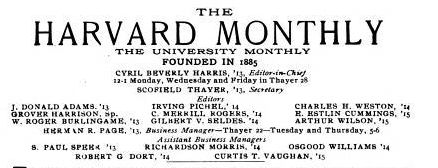
Born and raised in Massachusetts, Cummings studied at Harvard before serving in Europe during World War I. Experiences abroad and contact with contemporary avant-garde movements helped shape his artistic experimentation. Over decades he also exhibited paintings and produced stage works, maintaining a public career that combined literary publication with visual art exhibitions. For a concise life chronology and bibliographies consult biographical resources and archives here.
Influence and Reception
Cummings influenced later poets who sought to expand the possibilities of poetic form and the visual presentation of text. While occasionally controversial in his politics and personal views, his technical innovations are widely taught and imitated. Collections of his papers and critical studies remain important resources for scholars and readers; see critical surveys and digital archives here and commentary on specific poems here.
Notable Facts and Further Reading
- Cummings often published under the stylized name "e. e. cummings," a usage that contributed to his public image; accounts differ about his own preferences.
- He worked across media as both a poet and a visual artist, exhibiting paintings and drawings in addition to publishing verse.
- For access to selected texts and collections, consult library guides and selected online repositories here.
Author
AlegsaOnline.com E. E. Cummings: Life, Style, and Literary Legacy Leandro Alegsa
URL: https://en.alegsaonline.com/art/137778