
Drop kick
A drop kick is a football technique in which the ball is dropped and kicked after it bounces; used in rugby, Australian rules and early American football and still permitted under many codes.
Overview
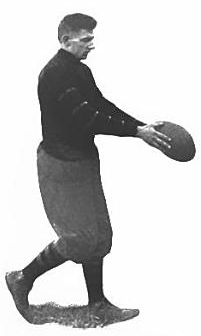
A drop kick is a method of kicking in several codes of football. The player releases the ball from the hands, allows it to touch the ground, and strikes it as it rebounds. This distinguishes it from a punt, where the ball is kicked before it hits the ground, and from a place kick where the ball is stationary. The drop kick can be used to restart play, to clear the ball, or to attempt to score.
Image gallery
4 Images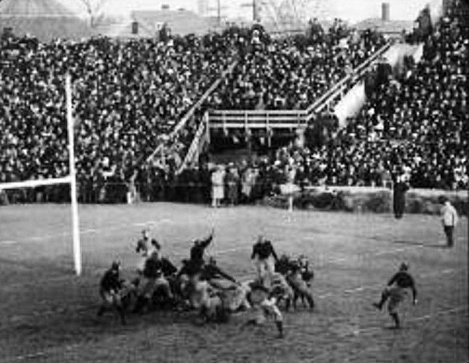


Technique and characteristics
The essential element is timing: the foot meets the ball immediately after the initial bounce. Typical characteristics include a downward release, a short vertical bounce, and contact with the instep or toe to control direction and elevation. Advantages include the ability to kick without a holder and the potential for unpredictable bounces in open play.
Forms and uses
- Scoring: In rugby codes a drop kick is a way to score—used for field goals (drop goals) and some conversions.
- Restart or clearance: Teams may use a drop kick to restart play or gain territory when a quick restart is needed.
- Open-play tactic: It permits a single player to kick for touch or goal without setting the ball on the ground.
History and present-day status
The drop kick was common in the early history of American football and was a standard kicking technique in rugby and Australian rules football. Changes in ball shape and specialist place-kicking techniques have made the drop kick rare in many modern competitions, though it remains part of the laws of play and is still used strategically in some situations. Notably, a drop kick was successfully executed in an American professional game in the 21st century, demonstrating the move is still legal and possible at the highest level.
Distinctions and notable facts
Compared with a kick made directly from the hands or a place kick, the drop kick requires close attention to bounce and timing. Different football codes apply distinct scoring values and rules to drop kicks; for full details on a specific code consult the relevant rules of football. The technique rewards versatility and can be a surprise option when conditions or defenders make other kicks difficult.
Author
AlegsaOnline.com Drop kick Leandro Alegsa
URL: https://en.alegsaonline.com/art/137698