
Kick (martial arts): types, mechanics, history, and uses
A kick is a strike delivered with the foot, shin, knee or leg in martial arts and combat sports. This article outlines common kicks, mechanics, training, rules and how different arts use them.
Overview
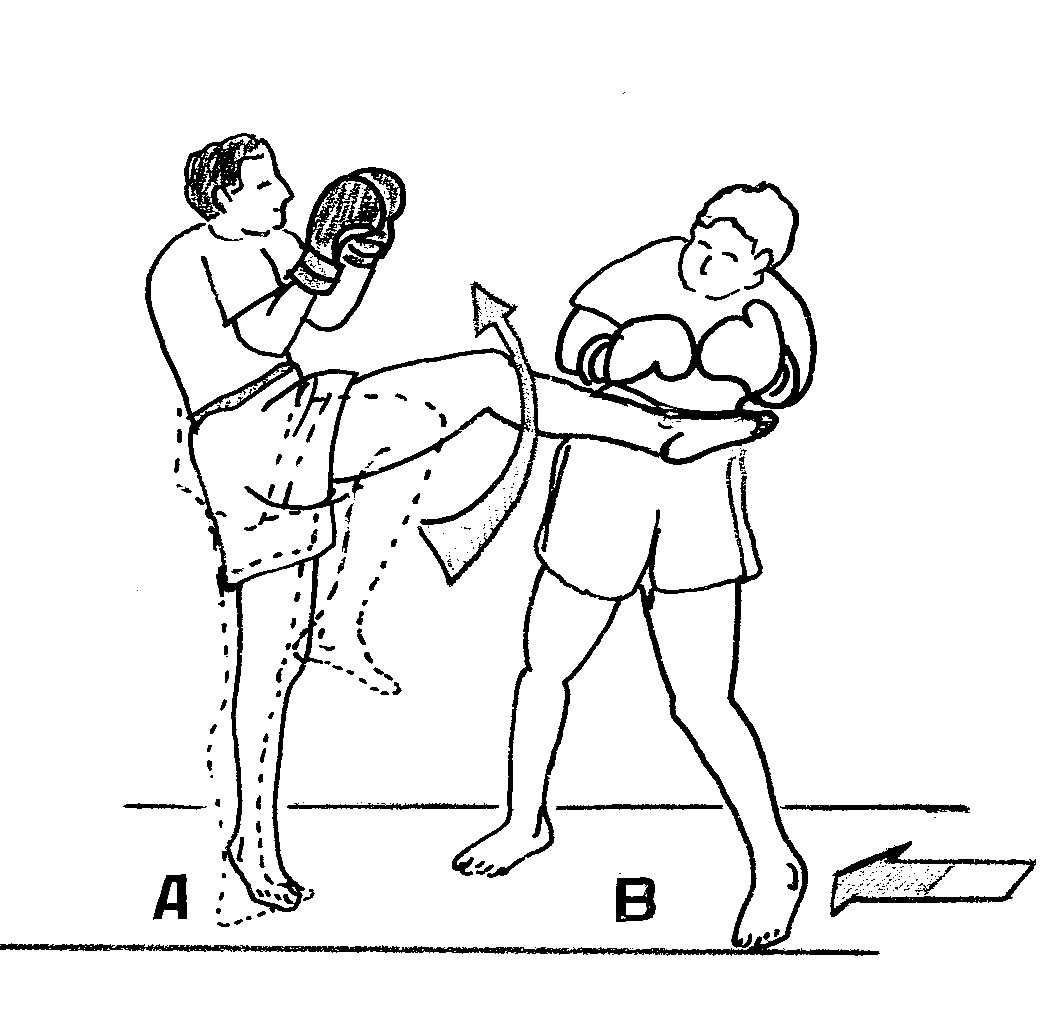
A kick is a strike delivered using the leg, most commonly the foot but also the shin, knee or entire lower limb. Kicks function as offensive and defensive techniques in hand-to-hand combat, martial arts and many combat sports. They extend reach beyond punches and can generate substantial force from hip rotation and body mass. In some styles kicks are a primary weapon, while other systems emphasize hands, grappling or throws and use kicks sparingly; compare approaches in combat sports and martial arts and the contrasting emphasis on the hands in disciplines such as boxing.
Image gallery
10 Images




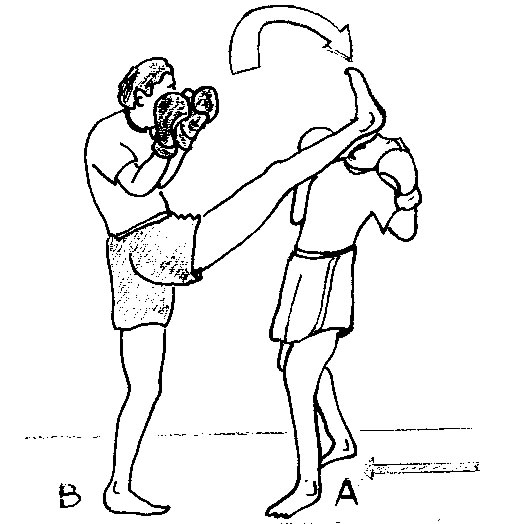
Characteristics and mechanics
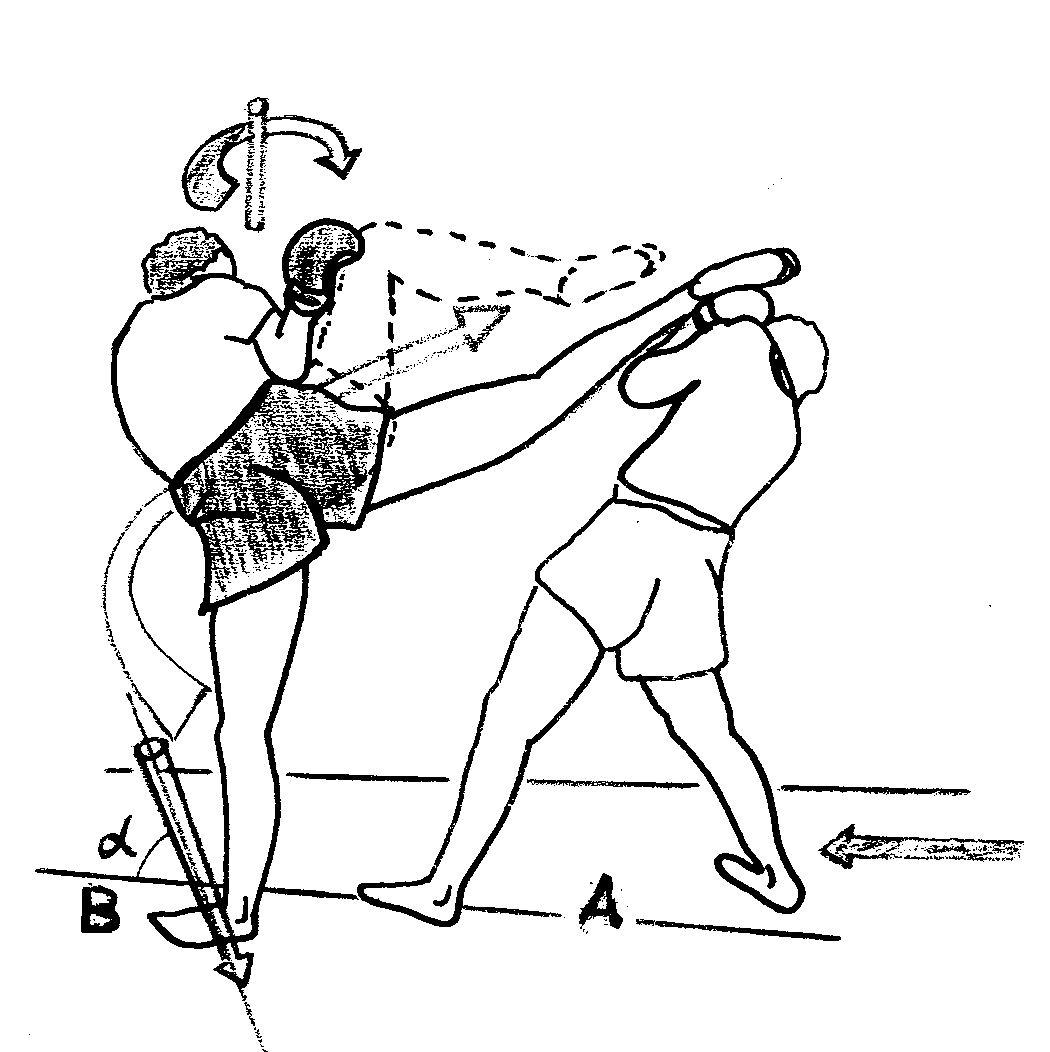
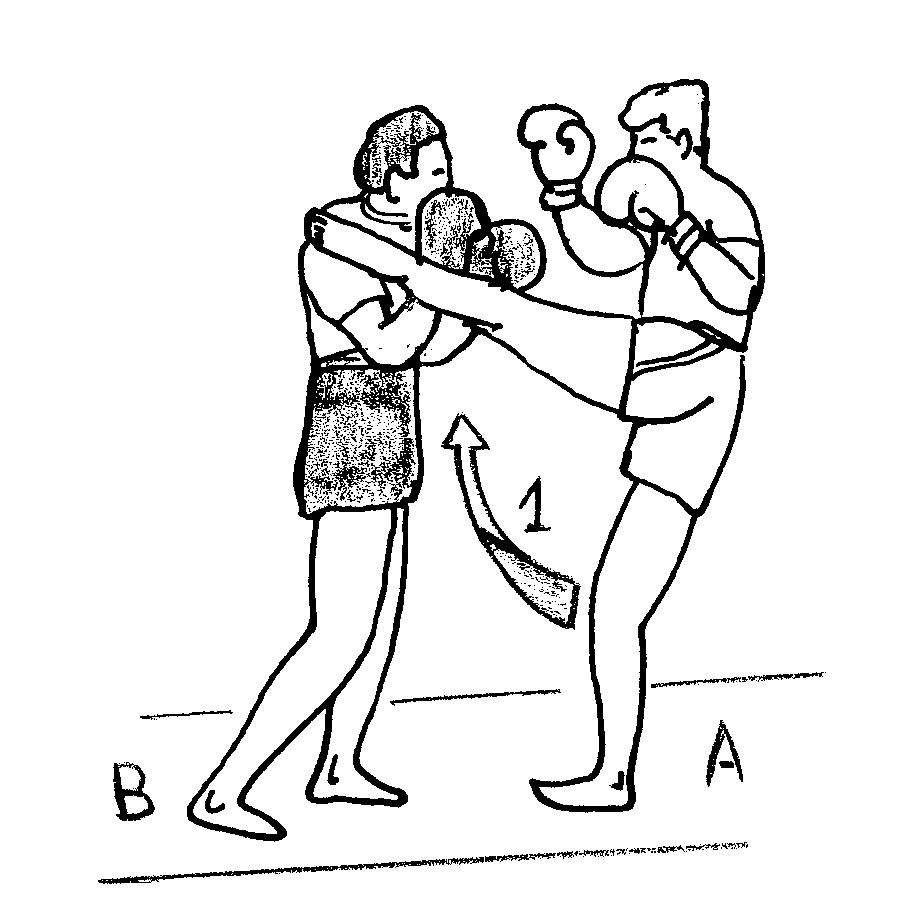
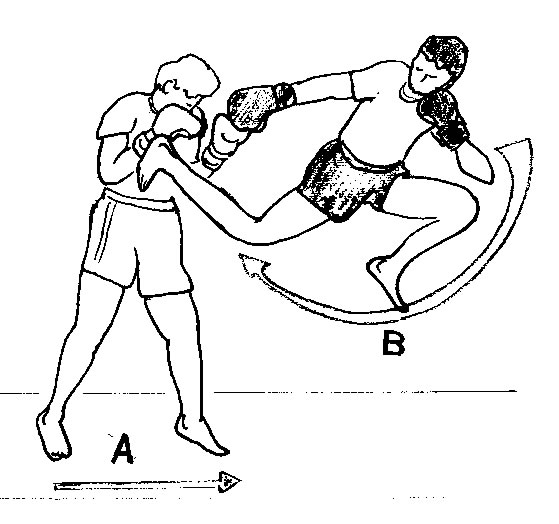
Kicks trade speed for range and power: a well‑executed kick generally carries more momentum than a punch but can take longer to chamber and recover. Effective kicking relies on balance, hip rotation, timing and the proper alignment of joints to transfer energy from the torso through the hip and leg to the striking surface. Different striking surfaces—the foot, the leg or the knee—affect impact, injury risk and the intended target.
Common techniques
- Front kick (straight push or snap) — direct forward strike with sole or ball of the foot.
- Roundhouse kick — circular strike delivered with the instep, shin or ball of the foot.
- Sidekick — linear sideways thrust produced by chambering the knee and snapping the leg out.
- Hook kick and crescent kick — curved or hooking trajectories useful for angles and head targets.
- Axe and downward kicks — vertical, chopping motion that can land on the shoulder or head.
- Spinning back or hook kicks — generate extra power with torso rotation and a surprise element.
- Low leg kicks and teeps (push kicks) — used to disrupt balance or target the opponent’s legs and hips.
Different arts have developed particular repertoires. For example, traditional striking schools such as karate and modern sport systems such as kickboxing and taekwondo emphasize varied kicking strategies, while others like tangsudo and regional systems blend kicks with other techniques.
History and development
Kicking appears in many historical fighting systems worldwide. Some martial arts—both Asian forms such as kung fu and taekwondo and later Western rule‑based combat sports—systematized kicking into codified techniques and competition formats. Over the 20th century, cross‑training and modern combat sports widened the exchange of kicking methods and conditioning practices.
Training, uses and safety
Kicks are trained for self‑defense, sport and physical conditioning. Training emphasizes flexibility, hip mobility, core strength, timing drills and progressive impact conditioning (e.g., pad work). Protective gear, correct target selection and gradual progression reduce injury risk. Many grappling arts—judo and submission grappling—do not include strikes in sport rules, and boxing bars kicks entirely; by contrast, Muay Thai and many kickboxing rules permit strikes to the legs, body and head under specified safety regulations.
Rules and notable distinctions
Rulesets govern permitted targets and techniques: amateur point fighting often restricts heavy contact and head strikes, full‑contact sports allow a broader set of targets, and some competitions forbid certain spinning or downward kicks. Terminology also varies widely: the same movement can have different names across styles and translations, so practitioners often rely on demonstrations and lineage to clarify technique names.
Practical considerations
For learners, mastering basic kicks progressive‑ly—starting with balance and chambering, then moving to speed and contact—is the safest route. Coaches stress foot placement, hip alignment and recovery to limit counters and maintain readiness for follow‑up techniques. Whether used in striking sport, self‑defense or performance, kicks remain a versatile and technical component of unarmed combat.
More on martial arts and sports | Foot strikes | Knee techniques | Leg mechanics | Hand vs. leg striking | Karate | Kickboxing | Tangsudo | Taekwondo
Questions and answers
Q: What is a kick in hand-to-hand combat and sports?
A: A kick is a blow with the foot, knee or leg, used as an attack in combat.
Q: Are kicks generally faster or slower than punches?
A: Kicks are generally slower than punches, but stronger than blows with hands.
Q: Are kicks a fundamental part in many martial arts?
A: Yes, kicks are a fundamental part of many martial arts, including wushu, karate, kickboxing, tangsudo, and taekwondo.
Q: Are there any martial arts that do not use any kicks?
A: Yes, some martial arts do not use any kicks, such as judo and boxing.
Q: Do other martial arts limit kicks to attacks to only specific parts of the body?
A: Yes, some martial arts limit kicks to attacks to the legs and lower parts of the body of the opponent.
Q: Are there different types of kicks with typical names in martial arts?
A: Yes, there are a great number of kicks with typical names for each one.
Q: Do different martial arts have different names for the same kick?
A: Yes, frequently the same movement has different names in different martial arts, especially when comparisons are done between western arts and oriental arts.
Related articles
Author
AlegsaOnline.com Kick (martial arts): types, mechanics, history, and uses Leandro Alegsa
URL: https://en.alegsaonline.com/art/53309