
Dr. Mario
Dr. Mario is a 1990 falling‑block puzzle video game starring Mario as a doctor; players clear colored viruses with capsule pieces. It popularized color‑matching mechanics and spawned several sequels and competitive modes.
Overview: Dr. Mario is a falling‑block puzzle video game first released in 1990 for the Nintendo Entertainment System and the Game Boy. Published by Nintendo, it places the familiar character Mario in the role of a doctor and uses capsule pieces to clear multi‑colored viruses. The gameplay is often compared to Tetris because both are falling‑block games, but Dr. Mario emphasizes color matching rather than line clearing.
Image gallery
3 Images
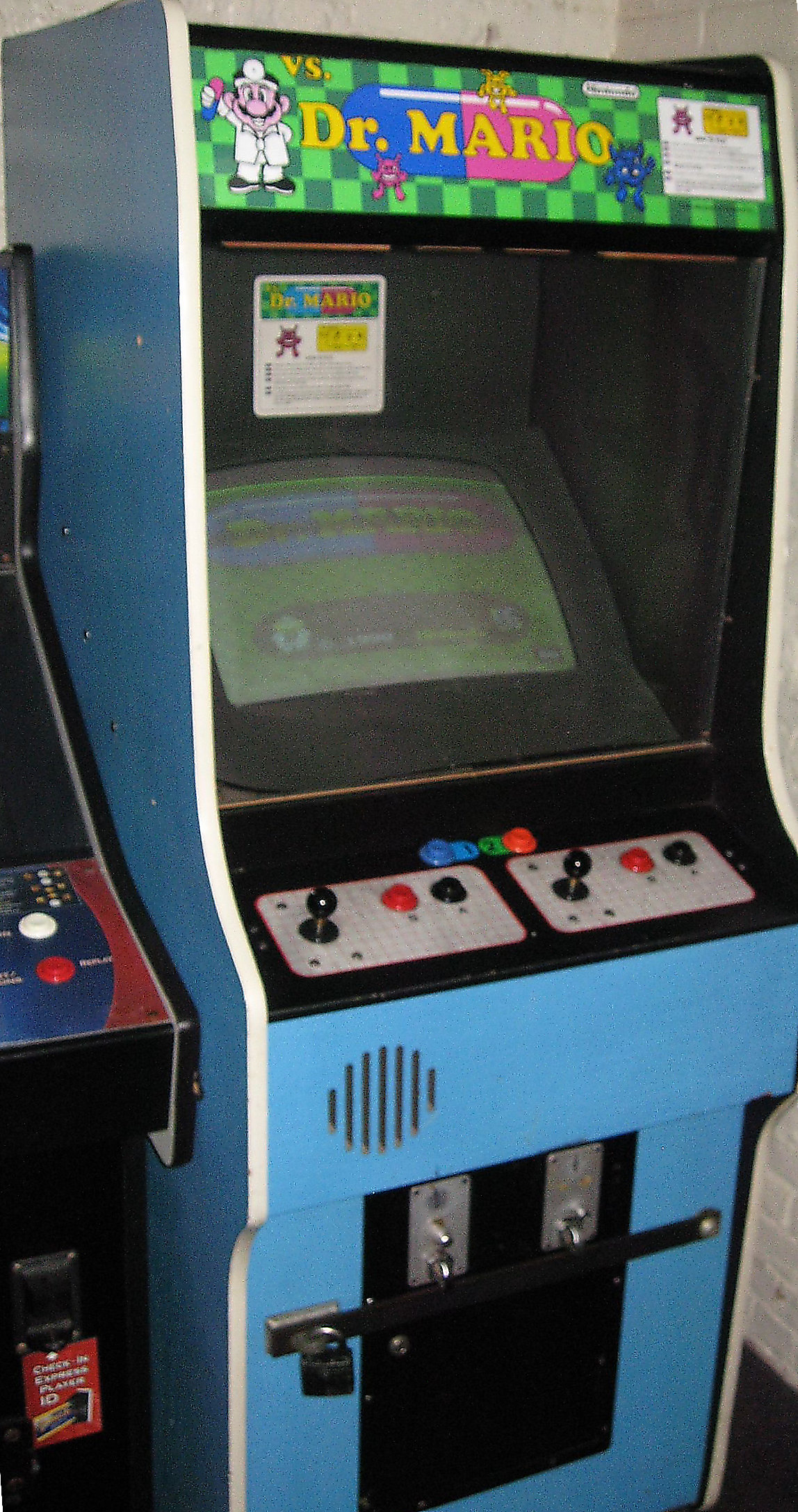
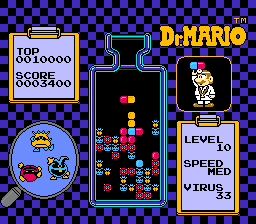
Gameplay and mechanics
Players manipulate two‑segment pill capsules that drop from the top of the playfield. Each capsule contains one or two colored halves; red, blue, and yellow are typical. When four or more segments of the same color align horizontally or vertically, they disappear. The primary objective in single‑player modes is to eliminate all viruses; speed, planned matches, and chain reactions increase the challenge and the score. The title supports competitive play in which two players fight to outlast or send extra obstacles to an opponent.
Design and distinguishing features
Unlike line‑based puzzle games, Dr. Mario requires color grouping and attention to both orientation and sequencing of capsules. Its visual identity — Mario in a lab coat, simple iconography of viruses, and upbeat theme music — helped make the rules feel accessible to a broad audience. The Game Boy version added portability and link‑cable multiplayer, making head‑to‑head matches common among early handheld players.
History and legacy
Dr. Mario helped expand Nintendo’s puzzle offerings and led to a series of follow‑ups and remakes on later systems. Subsequent releases and spin‑offs have appeared on multiple Nintendo platforms, keeping the core match‑and‑clear formula while adding new modes and rule variants. The game's combination of fast, arcade‑style rounds and tactical planning has kept it popular in retrospectives of classic console puzzle games.
Notable aspects and modern relevance
Key reasons Dr. Mario endures are its easy‑to‑learn rules, depth for skilled players, and social appeal through competitive play. Variants introduce speed levels, different stage layouts, and additional colors to increase difficulty. For readers seeking more detailed coverage of game mechanics, sequels, or competitive scenes, consult dedicated articles and retrospectives linked below.
Author
AlegsaOnline.com Dr. Mario Leandro Alegsa
URL: https://en.alegsaonline.com/art/137677