
Disney Princess: franchise, history, characters, and cultural impact
Overview of the Disney Princess franchise: origins in classic fairy tales and Walt Disney films, member characters, merchandise and media strategy, cultural influence, and common criticisms.
Overview
The Disney Princess franchise is a media and consumer-products brand built around a collection of female protagonists associated with the studio known today as The Walt Disney Company. The label groups heroines from animated features and related works into a single marketing umbrella that spans films, books, toys, apparel and themed experiences. The franchise blends storytelling, character design and licensing to create a recognisable line of characters across global markets. For corporate background see company information and the studio division Walt Disney Studios.
Image gallery
3 Images

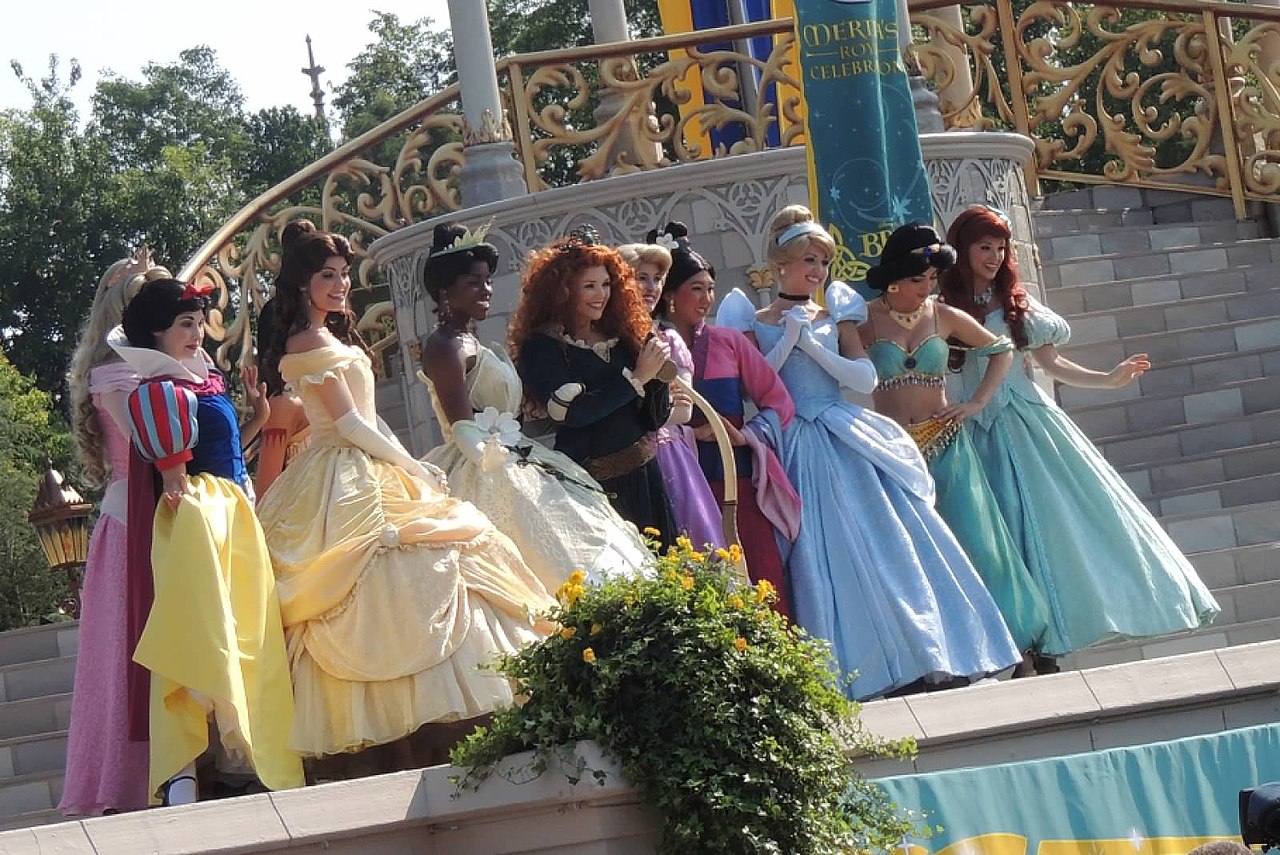
Characteristics and membership
Members of the franchise are generally young female protagonists from Disney animated films (and selected newer additions). They are represented consistently in style and merchandising, often with distinctive costume elements, signature colors and motifs. The brand has criteria for inclusion—commonly whether a character is a lead, associated with Disney animation, and licensed for retail—but the roster has shifted over time as new films and business strategies emerged.
- Classic inspirations include stories by historic storytellers such as Charles Perrault and the Brothers Grimm, whose tales informed early adaptations.
- Notable early film introductions were the studio’s feature-length animations: Snow White and the Seven Dwarfs (1937) and Cinderella (1950), which brought Snow White and Cinderella into popular culture.
History and development
The roots of the Disney Princess concept trace to the studio’s adaptations of European folktales and later to the commercial strategy of branding. Walt Disney and his studio popularised animated fairy-tale heroines beginning with the 1930s and 1940s features; Walt Disney himself played a central role in those early productions and the studio’s expansion (Walt Disney). The formal franchise as a marketing collection developed decades later, grouping characters for cross-promotional campaigns and product lines.
Merchandise, media and uses
As a franchise, Disney Princess extends far beyond the films. Licensed products include dolls, costumes, home goods, theme-park tie-ins, children's books and television programming. The brand is used to reach children and families, support film releases, and create long-term revenue streams through seasonal and evergreen product offerings. Educational and entertainment materials often repurpose the characters for new stories, stage adaptations and interactive digital content.
Cultural impact and criticism
The franchise has had a wide cultural reach: it helped define global perceptions of animated fairy-tale heroines and became influential in children’s play and fashion. Critics and scholars have debated the franchise’s representations of gender, beauty norms and consumerism, arguing that some portrayals reinforce stereotypes while others offer role models of resilience and agency. The company has responded over time by introducing more diverse and active protagonists.
Notable facts and distinctions
Although rooted in older folktales—for example the literary origins of Cinderella and Snow White are centuries old (Cinderella source, Snow White source)—the Disney versions are distinct cinematic interpretations. The franchise is an example of how creative property, historical source material and commercial strategy can combine to form a long-lived entertainment brand. For official details and further reading see corporate and studio resources (company, studio).
Author
AlegsaOnline.com Disney Princess: franchise, history, characters, and cultural impact Leandro Alegsa
URL: https://en.alegsaonline.com/art/137555