
De Fryske Marren — municipality in Friesland, Netherlands
De Fryske Marren is a municipality in the Dutch province of Friesland, created in 2014. It encompasses lakes, villages and waterways and is known for boating, rural landscapes and Frisian culture.
Overview
De Fryske Marren (Dutch: De Friese Meren) is a municipality in the northern part of the Dutch province of Friesland. It was established on 1 January 2014 by merging several smaller municipalities. In 2019 the population was recorded as approximately 51,430 inhabitants. The name is Frisian and refers directly to the many lakes and waterways that shape the area.
Image gallery
10 Images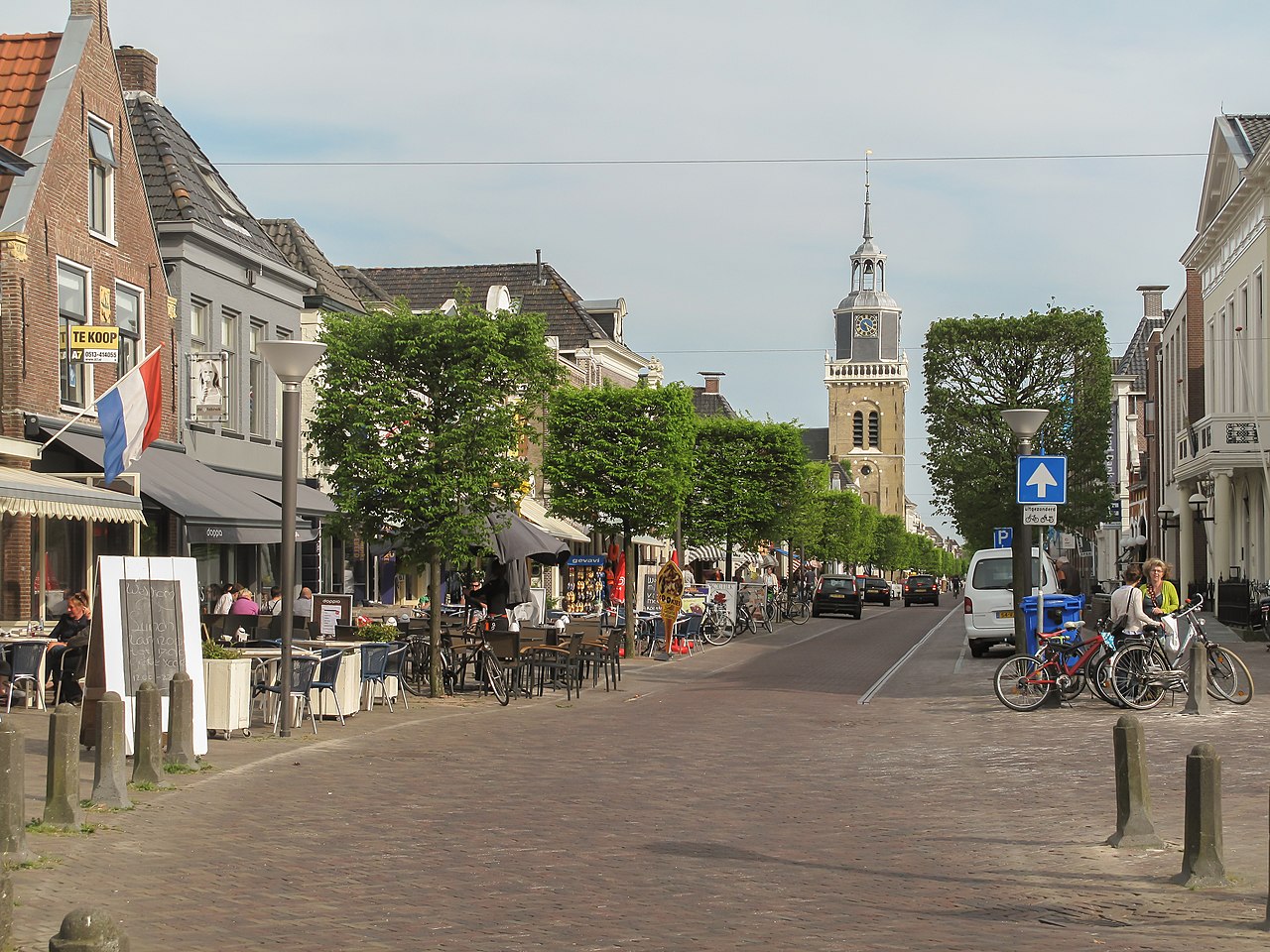



Landscape and characteristics
The region is defined by a mixed landscape of shallow lakes, canals, peatland and agricultural fields. Waterways are central to local life: many villages have harbours and marinas, and an extensive network of boating routes links towns and natural areas. The lakes and wetlands provide habitat for waterfowl and support a seasonally varied leisure industry.
History and formation
De Fryske Marren came into being through the administrative reorganisation of 2014. It brought together the former municipalities of:
- Gaasterlân-Sleat
- Lemsterland
- Skarsterlân
- Parts of Boarnsterhim
Culture, language and identity
Frisian culture plays an active role in the municipality’s identity. The Frisian language (Frysk) is widely used alongside Dutch in public signage and local government communications. Traditional activities such as small-scale fishing, sailing and regional festivals reinforce a rural and maritime character.
Economy, leisure and transport
Local economy mixes agriculture, tourism and services. Tourism is focused on water sports, cycling, birdwatching and heritage tourism in historic villages. Water-based transport and well-maintained cycle paths make the area accessible for visitors; small ports and slipways support recreational boating. The municipality collaborates with regional authorities to balance visitor pressure with nature conservation.
Notable facts and distinctions
De Fryske Marren is often highlighted for its waterways, which form part of larger provincial networks used for leisure and local commerce. Its creation is one example of recent municipal consolidation in the Netherlands, intended to strengthen administrative capacity while preserving distinct local traditions. For more regional information and municipal services, see the official resources such as the municipality portal and regional guides: Friesland overview, Dutch name reference, and administrative pages like municipality details and general province links provincial information or cultural resources Frisian language and culture.
Author
AlegsaOnline.com De Fryske Marren — municipality in Friesland, Netherlands Leandro Alegsa
URL: https://en.alegsaonline.com/art/137488