
Craig L. Thomas
Craig L. Thomas (1933–2007) was an American Republican politician from Wyoming who served in the U.S. House (1989–1995) and the U.S. Senate (1995–2007). He was noted for work on issues affecting rural states and public lands.
Craig L. Thomas (February 17, 1933 – June 4, 2007) was an American politician best known for representing Wyoming at the federal level. A member of the United States Republican Party, he served in the United States House of Representatives from 1989 to 1995 and then as a U.S. Senator from 1995 until his death in 2007.
Image gallery
2 Images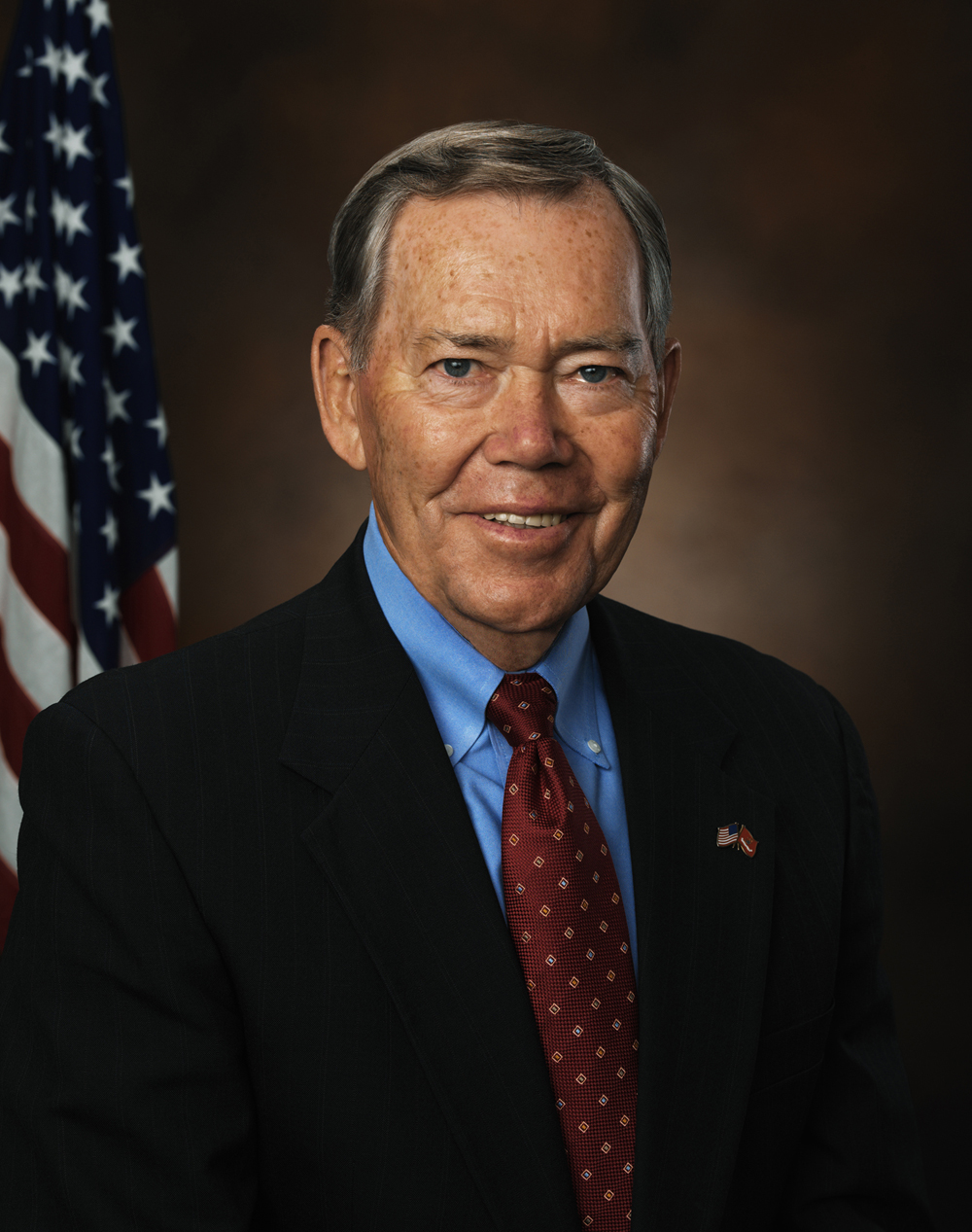

Overview and political career
Thomas entered national office with a reputation as a pragmatic conservative attentive to the needs of rural constituencies. Elected to the House in 1988, he served three terms before winning election to the Senate in 1994. During his years in Washington he focused on issues commonly important to his state, including management of public lands, energy and natural resources, agriculture, and federal funding for rural communities.
Focus and legislative style
Colleagues and observers described Thomas as accessible to constituents and willing to work across party lines on technical or local matters. His legislative work emphasized practical outcomes for Wyoming—such as land use, water issues, and economic support for small communities—rather than attention-grabbing national rhetoric. He participated in the committee work and negotiations that produce appropriations and policy details affecting western states.
Background and public service
Before serving in Congress, Thomas built a career rooted in his home state and became known for engagement with state and local affairs. His path to federal office followed long-standing ties to Wyoming’s civic life and interests. In Washington he was repeatedly re-elected, reflecting sustained support at home.
Death and legacy
Senator Thomas died from leukemia on June 4, 2007, in Bethesda, Maryland, at the age of 74. His passing interrupted a long tenure in the Senate and prompted tributes from colleagues who recalled his constituent service and steady approach. His career is frequently cited in discussions about representation of rural and resource-dependent states in federal policymaking.
Notable themes
- Long-term representation of a largely rural state at the federal level.
- Emphasis on natural resources, energy policy, and public lands management.
- Reputation for constituent service and a practical, detail-oriented legislative style.
- Service spanning both chambers of Congress: the House and the Senate.
Author
AlegsaOnline.com Craig L. Thomas Leandro Alegsa
URL: https://en.alegsaonline.com/art/137019