
Brajanath Ratha — Odia Poet and Literary Figure
Brajanath Ratha (1936–2014) was an Indian poet who wrote in Odia (formerly Oriya). Over five decades he became an important voice in regional literature, earning awards and civic honors including an honorary ambassadorship.
Brajanath Ratha (12 January 1936 – 31 May 2014) was an Indian poet who wrote primarily in Odia (historically spelled Oriya). He built a literary career that spanned roughly fifty years and established himself as a recognized voice within Odia literature. Ratha's life and work are recorded in a number of biographical and literary references; for introductions to his biography see biographical sources.
Image gallery
2 Images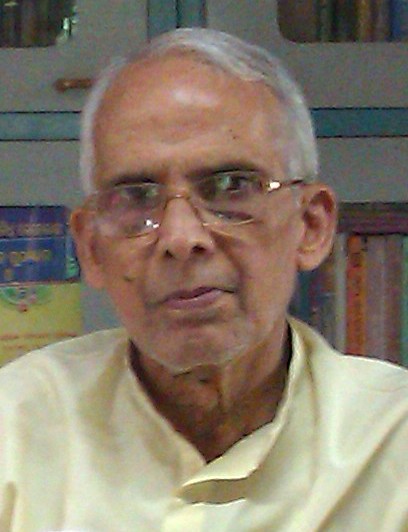

Style and themes
Ratha's poetry is often described as rooted in everyday experience and regional sensibility. His verse addressed human concerns, social change and cultural identity in Odisha, employing imagery and rhythms drawn from local life. He wrote for readers within the Odia linguistic community while also attracting attention from broader Indian literary circles through translations and critical study.
Career and recognition
Across a long career Ratha received numerous awards at both state and national levels for his contributions to literature. He also participated in literary forums, readings and cultural programs that helped promote Odia poetry. At one point the Indian government designated him as an honorary ambassador to South Korea, a civic recognition that reflected cultural exchange and international goodwill in the arts; contemporary notices refer to this role in various reports (see related note).
Later life and death
Ratha continued writing and engaging with the literary community into his later years. He died on 31 May 2014 in Sunhat, in the Balasore district of Odisha; local reports and remembrances document his passing and the community response (Balasore references).
Legacy and significance
Today Ratha is remembered as part of the modern stream of Odia poetry. While specific titles and awards are catalogued in regional literary histories, some general points about his legacy include:
- His role in sustaining Odia-language poetry over several decades.
- Recognition by literary institutions and the state for cultural contributions.
- Participation in cultural diplomacy that connected Odia literature with international audiences.
Readers interested in exploring his poems or locating translations should consult specialized anthologies of Odia literature and regional library collections. Scholarly and popular commentary on his work can be found in literary journals and cultural reports that document the development of twentieth-century and contemporary Odia letters.
Related articles
Author
AlegsaOnline.com Brajanath Ratha — Odia Poet and Literary Figure Leandro Alegsa
URL: https://en.alegsaonline.com/art/13674
Sources
- eodisha.org : Dr Brajanath Rath passed away-eOdisha.Org