
Ciudad Obregón, Sonora
Ciudad Obregón is the second-largest city in the northern Mexican state of Sonora, an agricultural and educational hub in the Yaqui River valley named for revolutionary leader Álvaro Obregón.
Overview
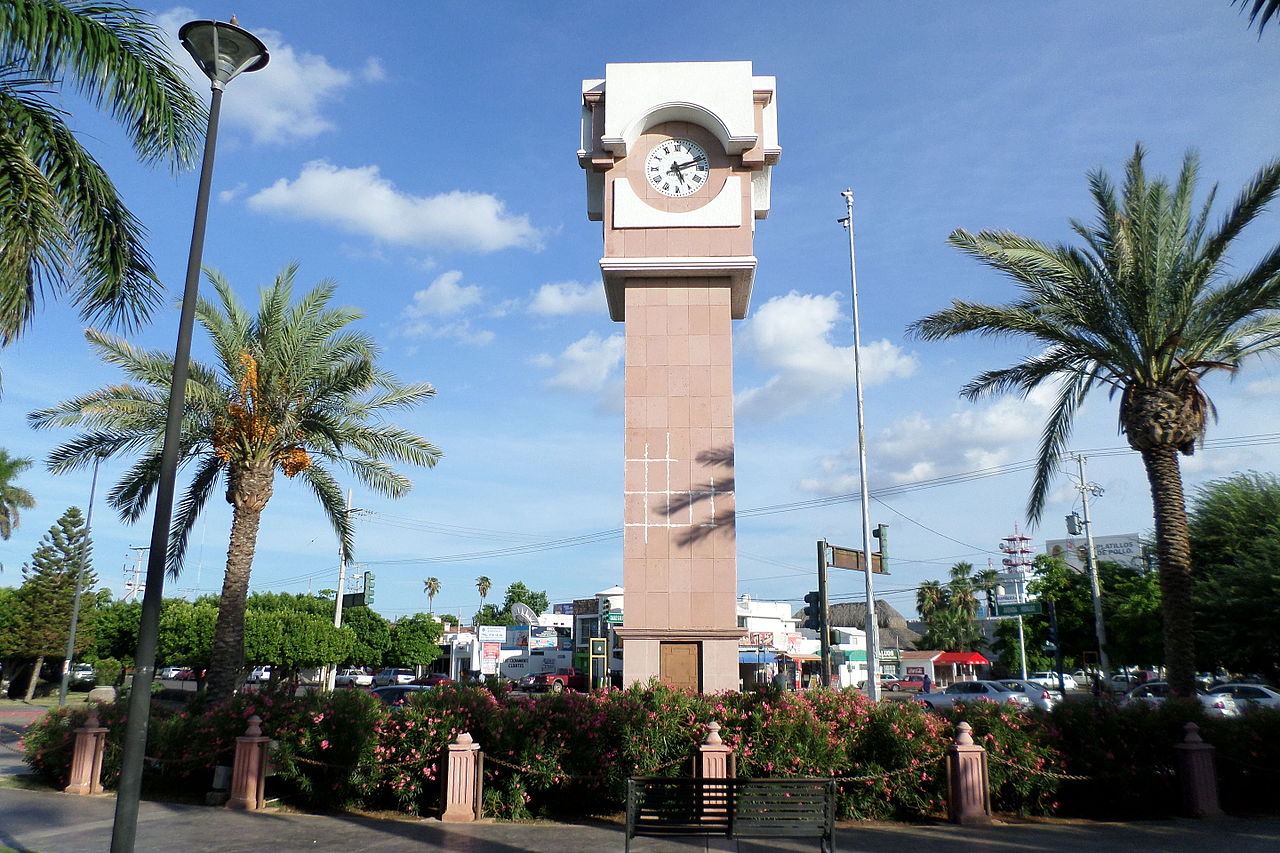
Ciudad Obregón is the second-largest city in the northern Mexican state of Sonora and a regional center for agriculture, education and light industry. It takes its name from Álvaro Obregón, a native Sonoran who became president of Mexico in the 1920s. The city functions as an administrative and commercial hub for the surrounding Yaqui River valley.
Image gallery
9 Images




Location and geography
Located in southern Sonora, Ciudad Obregón lies in the irrigated plains fed by the Yaqui River. The city sits roughly 525 km south of the international boundary with the U.S. state of Arizona. It is an important urban node within the state of Sonora and is often referenced in regional planning and transport maps of Sonora.
Climate and environment
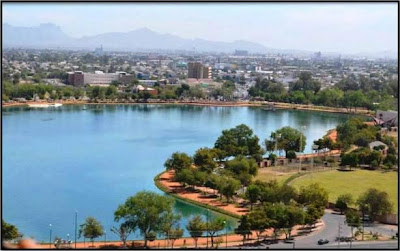
The local climate is characteristic of the northern Mexican lowlands: hot summers, mild winters and a pronounced dry season. Irrigation from river systems and reservoirs supports intensive agriculture in an otherwise arid landscape. The surrounding valley combines cultivated fields, irrigation canals and patches of desert scrub.
History and development
Ciudad Obregón grew from smaller settlements in the Yaqui valley as irrigation and rail links expanded in the 20th century. Its role increased with agrarian reform and investment in rural development, leading to the consolidation of commerce, services and educational institutions that serve the wider municipality and neighboring communities.
Economy and institutions
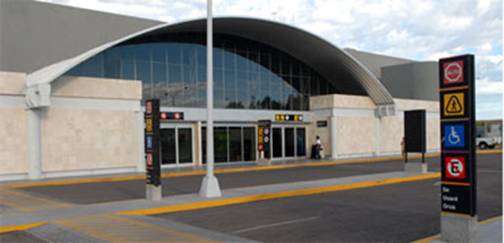
The economy is driven by irrigated agriculture (grains, vegetables and other crops), agroindustry, commerce and services. Key local institutions include higher-education centers, research facilities and an airport that connects the city to other Mexican regions. Notable civic and cultural presences include a professional winter baseball team and local festivals that reflect Sonoran traditions.
Notable facts and distinctions
- Named for Álvaro Obregón, an influential Mexican revolutionary and president.
- Serves as a commercial and cultural center for the Yaqui River valley and surrounding municipalities.
- Hosts regional universities and technical institutes that attract students from across Sonora.
- Home to popular regional sports teams and annual events that highlight local identity.
For regional information and official details, consult municipal and state resources or local cultural guides for current data, schedules and visitor information.
Author
AlegsaOnline.com Ciudad Obregón, Sonora Leandro Alegsa
URL: https://en.alegsaonline.com/art/136593