
Christ's College, Cambridge
Christ's College is a constituent college of the University of Cambridge, refounded by Lady Margaret Beaufort in 1505; known for historic buildings, strong academics and alumni such as Darwin and Milton.
Christ's College is one of the constituent colleges of the University of Cambridge in England. Its origins lie in a medieval foundation known as "God's House" that later became Christ's College after a substantial re-endowment in the early 1500s. The college combines a long academic tradition with a range of historic buildings clustered around its courts and gardens.
Image gallery
10 Images

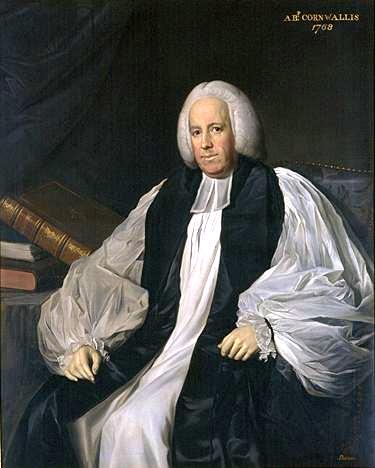


History and foundation
The institution began as a small medieval foundation and was re-established as Christ's College in 1505 following the patronage of Lady Margaret Beaufort, mother of King Henry VII. Her endowment and re-founding reorganised the college’s governance and finances and left a lasting imprint on its identity. Over subsequent centuries the college buildings were adapted and extended, reflecting Tudor, later medieval and more recent architectural influences.
Buildings and campus
Christ's occupies a compact site close to the city centre of Cambridge. Key features include its principal courts, a chapel and dining hall. The college gardens and lawns are an important social space, and the chapel and hall contain memorials and furnishings accumulated over many generations. The intimate scale of the site gives it a distinctive collegiate atmosphere compared with some larger colleges.
Academics and student life
With roughly six hundred students, Christ's supports undergraduate and graduate teaching across a wide range of subject areas. It has a reputation for strong academic performance and regularly fields students who achieve high examination results. Social and extracurricular life follows typical Cambridge patterns: formal halls, college societies, music, and sports including a boat club and choir that contribute to community life.
Notable alumni and influence
Several widely known figures studied at Christ's. Among the most famous are the naturalist Charles Darwin, whose work had global scientific impact, and the poet John Milton, a major figure in English literature. The college’s alumni have gone on to careers in the arts, sciences, public life and the church, reflecting its long role in British intellectual history.
Traditions and points of interest
- College ceremonies and formal dinners retain historic forms and are an active part of student life.
- Architectural details and college records document changes from Tudor times to the present.
- Regular concerts, lectures and societies provide intellectual and cultural activity for members.
Christ's College remains an active academic community within the University of Cambridge, valued for its historical continuity, collegiate environment and contributions to education and scholarship.
Author
AlegsaOnline.com Christ's College, Cambridge Leandro Alegsa
URL: https://en.alegsaonline.com/art/136528