
John Milton
English poet, polemicist and civil servant (1608–1674), best known for the epic Paradise Lost; influential in literature, theology and political thought.
John Milton (1608–1674) was an English poet, religious thinker and pamphleteer whose work shaped later ideas about poetry, faith and political liberty. He wrote in both English and Latin, and his career combined literary achievement with active participation in the political controversies of mid‑17th century England.
Image gallery
10 Images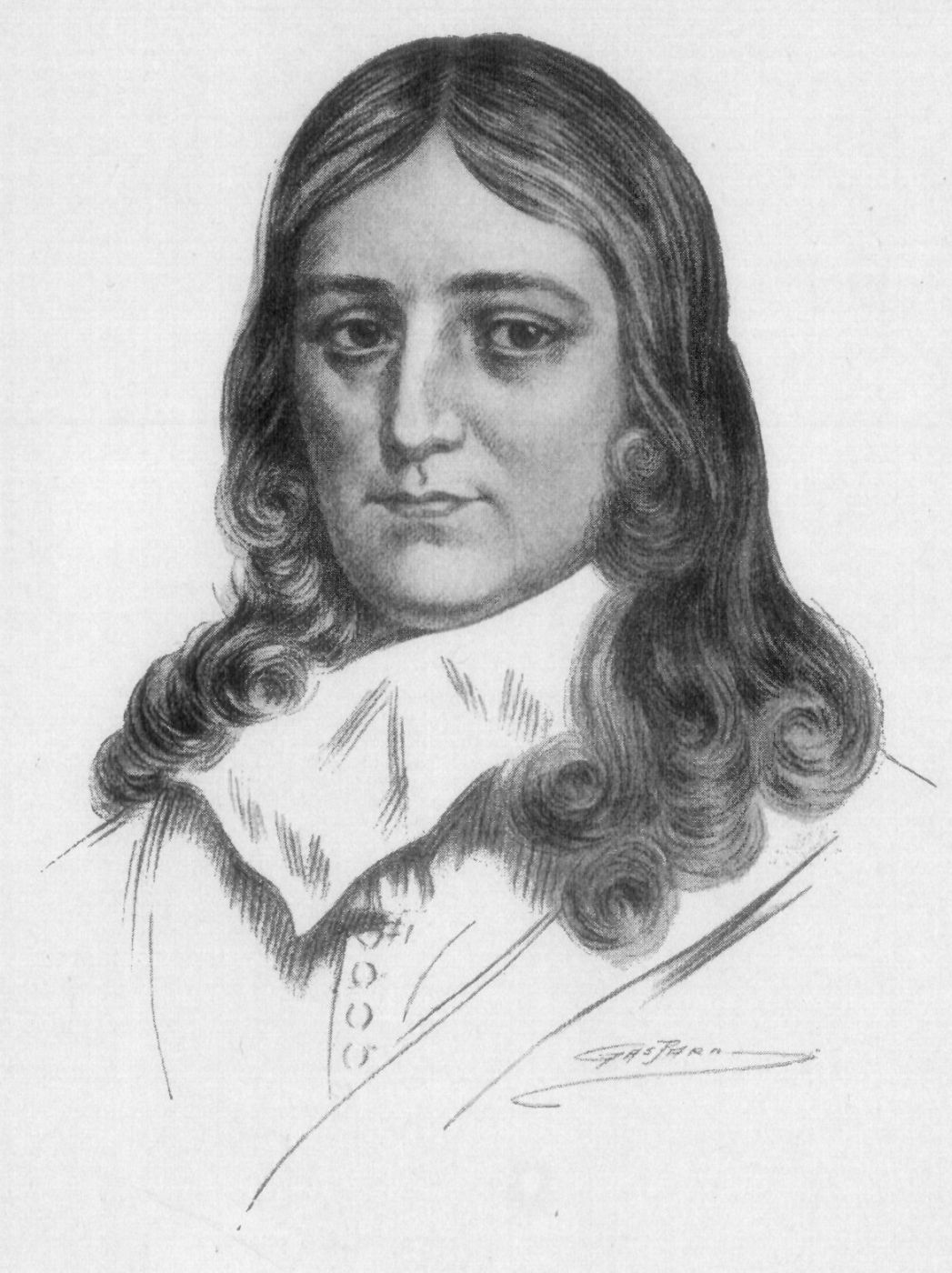


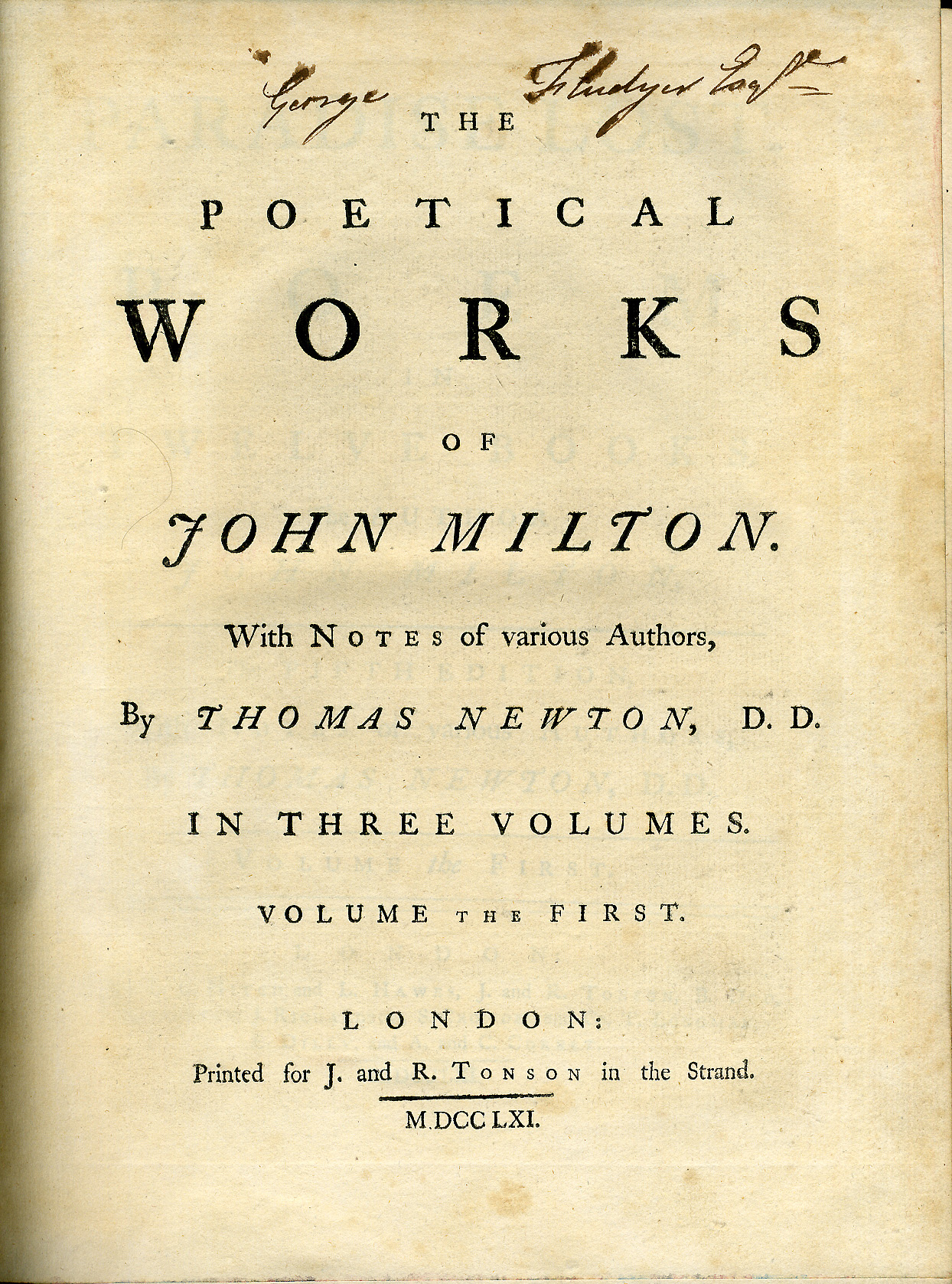

Life and career
Born in London, Milton was educated at Cambridge and developed a reputation for learning and rhetorical skill. During the 1640s and 1650s he supported the parliamentary cause and served as a civil servant in the government of the English Commonwealth, acting as Secretary for Foreign Tongues under Oliver Cromwell. He became blind in the early 1650s but continued to dictate major works to amanuenses. After the Restoration he was briefly imprisoned, later released, and continued to write until his death.
Major works
- Paradise Lost — an epic poem in blank verse that retells the biblical Fall of Man and explores free will, obedience and rebellion.
- Paradise Regained — a shorter poem treating the Temptation of Christ, often paired with Paradise Regained as a sequel to his epic.
- Samson Agonistes — a tragic dramatic poem drawing on classical and biblical models.
- Areopagitica and political tracts — prose defenses of free expression, licensing, and republican ideas.
Themes, style and influence
Milton's writing is marked by elevated diction, complex syntax and wide classical and scriptural learning. His poetry frequently treats theological questions—good and evil, providence and freedom—and adopts grand, argumentative tones. As a prose writer he addressed censorship, marriage and governance with rhetorical force. His conception of epic vision and his distinctive blank verse have had lasting influence on poets, critics and theologians.
Legacy and notable facts
Milton is regarded as a central figure in Western literature. Paradise Lost remains his most celebrated work and a touchstone for debates about heroism, authority and moral complexity. For further reading on his life and works see scholarly editions and biographies linked in reference collections and digital archives (poet, religious thinker).
Questions and answers
Q: Who was John Milton?
A: John Milton was an English poet, religious thinker, and civil servant for the English Commonwealth Government.
Q: When was John Milton born and when did he die?
A: John Milton was born on 9 December 1608 and died on 8 November 1674.
Q: What is John Milton most famous for?
A: John Milton is most famous for his Christian epic poem Paradise Lost.
Q: Did John Milton's writing influence later poets?
A: Yes, John Milton's writing influenced later poets.
Q: Did John Milton's writing influence religious thinkers?
A: Yes, John Milton's writing influenced religious thinkers.
Q: Is John Milton an important figure in Western literature?
A: Yes, John Milton is one of the most important figures in Western literature.
Q: Besides being a poet, what other job did John Milton have?
A: John Milton was a civil servant for the English Commonwealth Government.
Related articles
Author
AlegsaOnline.com John Milton Leandro Alegsa
URL: https://en.alegsaonline.com/art/50736