
Bulgars: Early Turkic Peoples of the Pontic–Caspian Steppe and Volga Region
Confederation of Turkic semi‑nomadic tribes from the Pontic–Caspian steppe and Volga; formed Danube and Volga polities, spoke an Oghuric Turkic language, and influenced medieval Bulgaria and Volga‑Ural peoples.
Overview
The Bulgars were a confederation of semi‑nomadic, horse‑mounted tribes of primarily Turkic origin who became prominent on the Eurasian steppe in the first millennium CE. Emerging north of the Black Sea and in the middle Volga basin, they formed mobile political networks that are best known for producing two distinct medieval outcomes: the Danube (or Balkan) Bulgar polity that developed into the First Bulgarian Empire, and Volga Bulgaria in the middle Volga region. Contemporary medieval sources—Byzantine, Arab and Persian—record names, titles and events that help trace Bulgar activity across the steppe.
Image gallery
10 Images


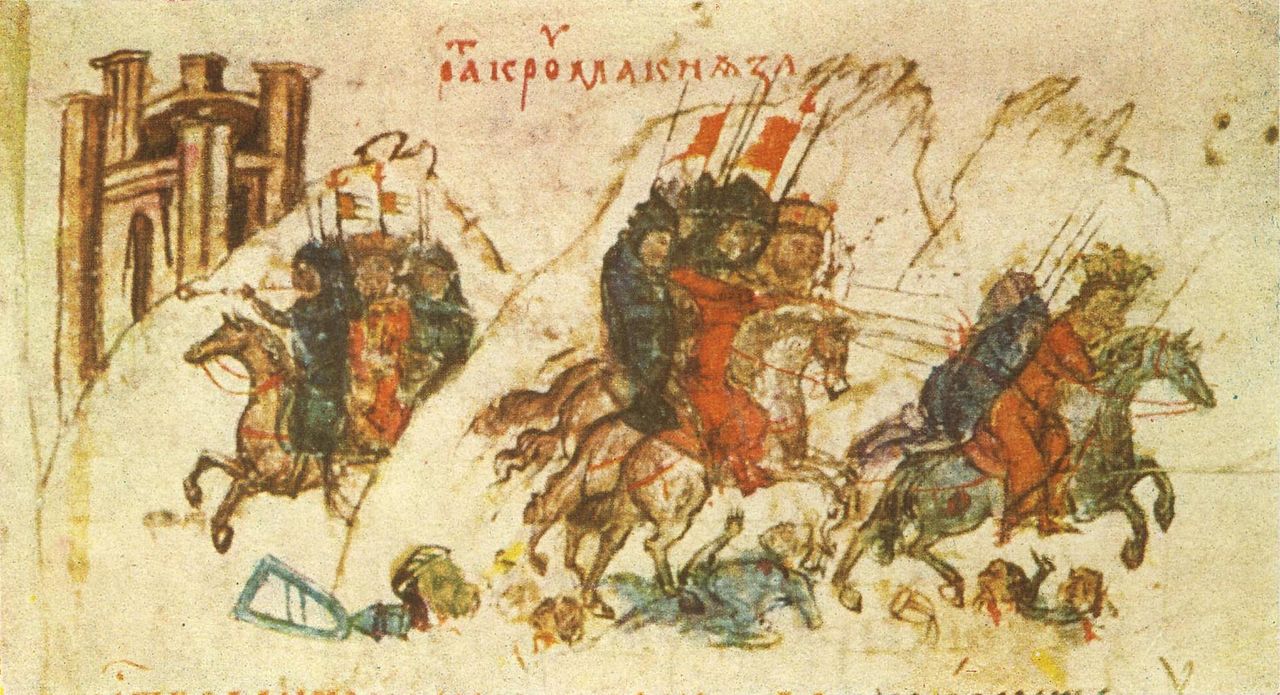


Origins and ethnogenesis
Scholarly consensus treats the Bulgars as Turkic-speaking in broad terms, related to other groups of the steppe and sharing cultural patterns found among Turkic peoples. Their early history involved migration and fusion: as Bulgar groups moved west from areas associated with early steppe cultures and likely regions of Central Asia, they assimilated and intermarried with Indo‑European, Finno‑Ugric and other local populations. This process of ethnogenesis produced diverse Bulgar communities with regional differences in language, material culture and political organization. Genetic and archaeological studies indicate mixed ancestry and regional variation rather than a single homogeneous origin.
Migrations and state formation
From the late 6th and into the 7th century, Bulgar groups appear in the Pontic–Caspian region as confederative polities led by rulers often called khans. One major stream, led by figures known in later sources, crossed the Danube in the late 7th century and established a durable state on the Balkan frontier; over time this Danube polity absorbed large Slavic populations and, under rulers such as Krum and Boris, adopted Byzantine administrative models and Eastern Orthodox Christianity. Another stream settled along the middle Volga and founded Volga Bulgaria, which became an important commercial and cultural centre and converted to Islam in the 10th century. Earlier political formations, sometimes referred to as Old Great Bulgaria, played a role in directing migrations and alliances across the steppe.
Language, religion and social organization
The medieval Bulgar tongue belonged to the Oghuric branch of Turkic languages; some linguists consider the modern Chuvash language of the Volga region its closest surviving relative. Elements of Bulgar vocabulary and names are preserved in Byzantine, Slavonic and Arabic sources; for introductions see materials on the Bulgar language. Bulgar spiritual life retained steppe features such as shamanic practices and reverence for a sky deity often called Tangra or Tengri. Their social and military organization was adapted to nomadic cavalry warfare, with confederative leadership, cavalry elites and titles that invite comparison with earlier steppe polities, including Hunnic and other Eurasian groups.
Material culture and archaeology
Archaeological evidence associated with Bulgar sites includes burial types, weapons, stirrups, horse harness fittings and portable arts that blend steppe nomadic elements with local styles. In the Danube region, early Bulgar material culture gradually merged with Slavic and Byzantine traditions as the ruling elite became sedentary. In the Volga region, urban centres and fortifications testify to trade networks linking the steppe, Finno‑Ugric zones and the Islamic world. Interpretation of material evidence emphasizes regional diversity and adaptation rather than a single uniform culture.
Legacy and modern relevance
The Bulgars are important for understanding state formation on the Eurasian frontier and the cultural interactions between nomads and settled societies. In the Balkans their ruling groups were absorbed into a Slavic‑speaking majority, shaping the medieval Bulgarian polity and its institutions; the modern Bulgarian language is Slavic, though historical Bulgar contributions to names, political organization and elite culture persisted. In the Volga‑Ural region, Bulgar heritage contributed to the ethnogenesis of later groups and left linguistic traces in Chuvash and other regional traditions. Modern scholarship draws on archaeology, linguistics and genetics to reconstruct Bulgar diversity while noting uncertainties and regional variation in their origins and development.
Study and sources
- Primary accounts come from Byzantine, Arab and Persian chronicles and from later Slavic records; these provide names, titles and event notices.
- Archaeology supplies material culture, burial evidence and settlement patterns that show regional adaptation.
- Linguistic comparison places the Bulgar language in the Oghuric branch and links it most closely to Chuvash in modern classifications.
For further introductory reading consult surveys of early medieval Eastern Europe, the Eurasian steppe, and specialist works on Turkic languages and Volga‑Bulgar archaeology to follow the strands of Bulgar history across regions and centuries.
Author
AlegsaOnline.com Bulgars: Early Turkic Peoples of the Pontic–Caspian Steppe and Volga Region Leandro Alegsa
URL: https://en.alegsaonline.com/art/135826