
Brutus "The Barber" Beefcake (Edward Harrison Leslie)
Profile of Edward Harrison Leslie, known as Brutus 'The Barber' Beefcake: his persona, career in WWF and WCW, notable events, and legacy in professional wrestling.
Overview
Edward Harrison Leslie (born April 21, 1957, in Tampa, Florida) is an American retired professional wrestler best known by his ring name Brutus "The Barber" Beefcake. He gained prominence in the 1980s and early 1990s for a flamboyant, character-driven persona in the World Wrestling Federation and later worked in World Championship Wrestling and on the independent circuit.
Image gallery
7 Images



Character and in-ring persona
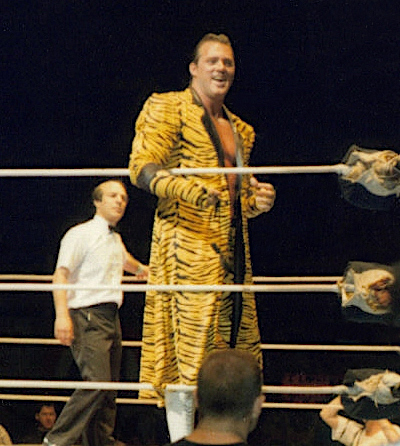
Leslie's most famous gimmick, Brutus "The Barber," combined showmanship with a simple prop: shears. As part of his act he would theatrically cut a portion of a defeated opponent's hair, creating a memorable visual and reinforcing the character's image. The Barber persona emphasized costumes, catchphrases, and crowd interaction rather than a single technical wrestling style, and it helped Leslie stand out during WWF's era of larger-than-life characters.
Career highlights and development
Leslie rose through regional promotions before joining the World Wrestling Federation, where his character work brought him national exposure. He later appeared in World Championship Wrestling and continued to perform periodically over subsequent decades. His career was interrupted by a serious parasailing accident in 1990 that caused significant facial injury; remaining resilient, he returned to the ring after recovery and reconstructive procedures.
Notable facts and recognition
- Real name: Edward Harrison Leslie.
- Ring name: Brutus "The Barber" Beefcake; notable for using shears as part of his act.
- Promotions: World Wrestling Federation and World Championship Wrestling, among others.
- Born in Tampa, Florida.
- Inducted into the WWE Hall of Fame in 2019.
Legacy and influence
Brutus Beefcake is remembered as an example of character-driven professional wrestling from a period when distinctive personas were central to mainstream appeal. His theatrical approach to presentation influenced later performers who blended costume, prop use, humor, and storytelling into their matches. While not always the top titleholder, Leslie's recognizable gimmick and resilience after injury ensured lasting visibility within wrestling history.
Further resources
For a fuller chronology of Leslie's matches, alliances, and appearances, consult promotional histories and archival records from the major wrestling organizations where he worked, as well as biographies and documentary features focused on 1980s and 1990s professional wrestling.
Author
AlegsaOnline.com Brutus "The Barber" Beefcake (Edward Harrison Leslie) Leandro Alegsa
URL: https://en.alegsaonline.com/art/135780