
Bal Gangadhar Tilak
Indian nationalist leader and social reformer (1856–1920), known as Lokmanya; a leading figure of assertive nationalism, journalist, educator and organiser of mass political movements.
Overview
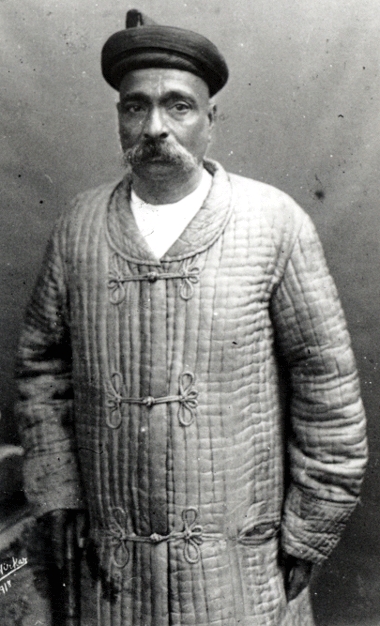
Bal Gangadhar Tilak (born Keshav Gangadhar Tilak; 23 July 1856 – 1 August 1920) was a prominent leader of Indian nationalism during the late 19th and early 20th centuries. Widely called Lokmanya, meaning "accepted by the people," Tilak was a teacher, journalist, and political organiser who advocated vigorous public agitation for self-rule (Swaraj). He became one of the most visible representatives of the Congress party's more assertive wing and earned both strong support and sharp criticism for his uncompromising stance toward British rule.
Image gallery
10 Images




Early life and career
Tilak trained as a scholar and began his public life in education and journalism. He wrote in Marathi and English and used the press to reach a broad audience, founding and editing newspapers that commented on public affairs. Through teaching, public lectures and print, he combined intellectual work with political activism. His style sought to connect traditional cultural symbols and festivals with the cause of political mobilisation.
Political ideas and activities
Tilak argued that India required active, mass-based political organisation rather than exclusively elite negotiation. He promoted the idea of Swaraj and called for greater self-government, parliamentary representation and civil liberties. In politics he stood with figures often labelled the "extremists" because they favoured direct action, boycotts and protest over the incremental reforms preferred by the moderate wing of the Indian National Congress.
Methods and public mobilisation
To create popular support beyond the educated classes, Tilak adapted religious and cultural occasions into vehicles for political education and unity. Notable examples include the public celebration of the Ganesh festival and of the birth anniversary of the 17th-century Maratha leader Shivaji. These events were organised as large, community-focused gatherings in which patriotic speeches and political discussion were combined with cultural programmes.
Imprisonment, writings and organisations
As a consequence of his rhetoric and organisational work, Tilak was prosecuted under colonial laws several times and served prison terms; one of his longer exiles was in Burma (then part of British India). During periods of confinement he continued to write on politics, history and religion. He also played a leading role in the early Home Rule movement in the 1910s, working to build networks that pushed for self-government within the Empire.
Legacy and controversies
Tilak's legacy is complex. He is remembered as an architect of mass nationalist politics who helped broaden the Indian independence movement beyond elite circles. His assertive brand of nationalism influenced later leaders and movements, even as others criticised him for communal and conservative elements in his thought and for rhetoric that colonial authorities deemed seditious. Mahatma Gandhi and other national figures acknowledged his contributions while also disagreeing with some of his methods.
Notable works and references
- Newspapers and journalism that shaped public debate and public opinion.
- Political speeches and organisational activity that promoted Swaraj and popular mobilisation.
- Writings on religion and philosophy offering an interpretation of classical texts in a political key.
For further reading and archival materials, see contemporary biographies and digitised collections: Source 1, Source 2, and Source 3. Additional commentary and scholarly work are available at Source 4, Source 5 and Source 6.
Author
AlegsaOnline.com Bal Gangadhar Tilak Leandro Alegsa
URL: https://en.alegsaonline.com/art/134913