
Associate Justice of the Supreme Court of the Philippines
Role, appointment, duties, history and notable facts about Associate Justices of the Supreme Court of the Philippines, including composition, selection, functions, and milestones.
Overview
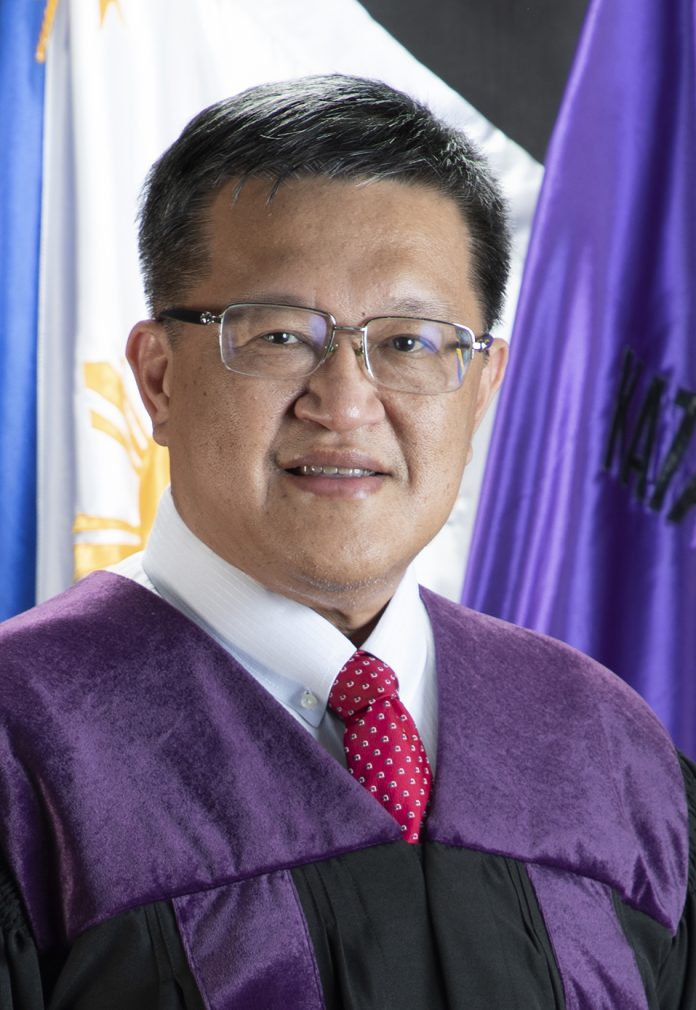
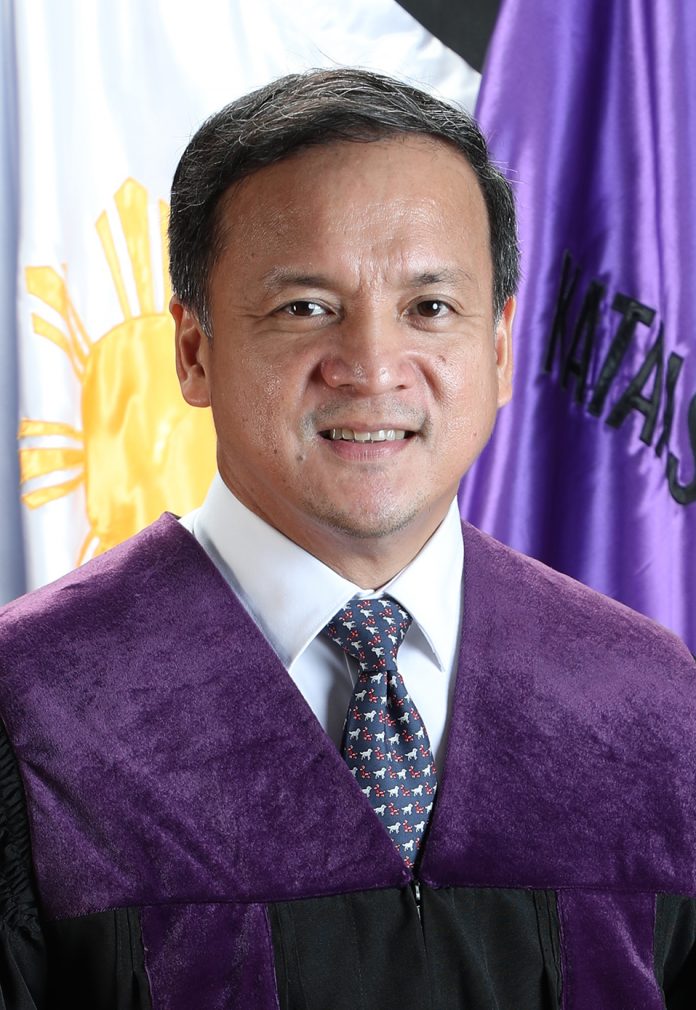
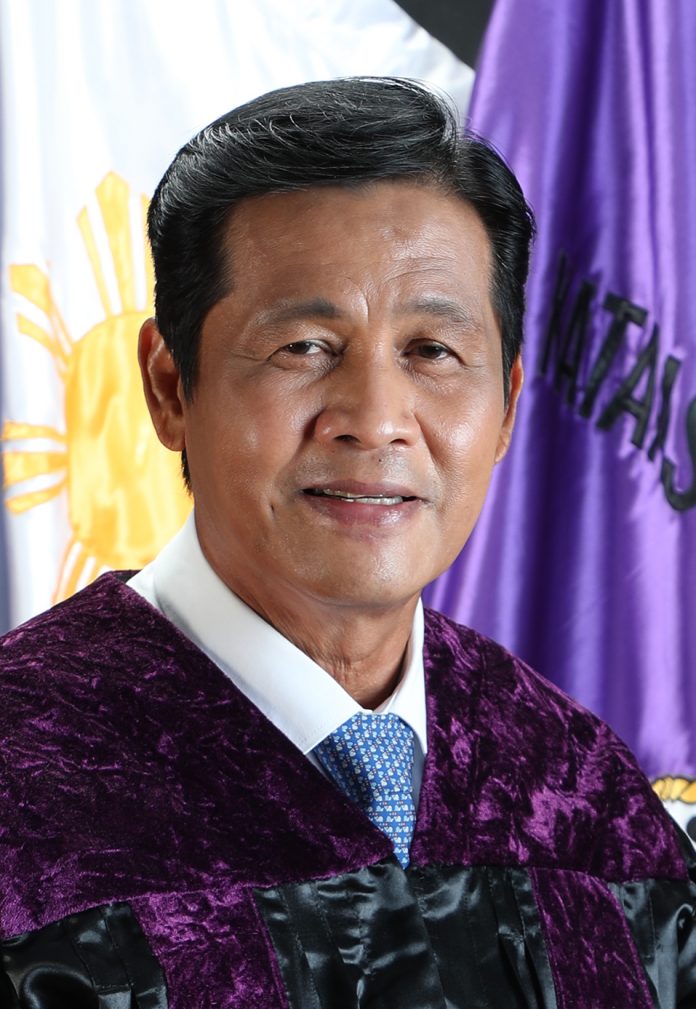
An Associate Justice is one of the members of the Supreme Court of the Philippines, the nation’s highest tribunal. The court is composed of fifteen justices, one of whom serves as Chief Justice while the remaining fourteen (or more generally referred to as associate justices) share judicial responsibilities and voting power. The Chief Justice presides over sessions and carries equal voting weight with the other justices.
Image gallery
10 Images





Role and responsibilities
Associate Justices participate in deciding cases of national importance, including constitutional questions, administrative appeals, and final reviews of lower-court rulings. Their duties typically include:
- Hearing and deciding appeals and petitions for review.
- Writing opinions, concurrences, and dissents that explain the court’s reasoning.
- Performing judicial administration tasks and sitting on internal committees.
Selection, tenure and qualifications
Justices are appointed by the President of the Philippines from candidates recommended by the Judicial and Bar Council, a mechanism designed to screen nominees and promote judicial independence. Appointees serve with security until the mandatory retirement age of seventy. The office is a lifetime public post limited by that retirement rule rather than by a fixed term.
History and notable milestones
The modern Supreme Court traces its institutional development to the early 20th century and has evolved through successive constitutional arrangements. A significant milestone in the court’s history was the appointment of the first woman justice, Cecilia Muñoz-Palma, who broke a longstanding gender barrier when named by President Ferdinand Marcos. Since her appointment, additional women have served as associate justices, reflecting gradual changes in judicial representation.
Importance and distinctions
The Associate Justices collectively shape Philippine jurisprudence through majority and minority opinions that influence law, governance, and civil liberties. While the Chief Justice has administrative leadership, each associate justice has an equal vote on cases. Together they form the collegial bench that exercises judicial review and supervises the lower courts, making the court a central institution in the country’s constitutional system.
Further information
For institutional particulars, case lists, and biographical profiles, consult official and scholarly resources about the Supreme Court and the broader Philippine judiciary. These sources provide up-to-date information on membership, recent decisions, and procedural rules governing the court’s work.
Author
AlegsaOnline.com Associate Justice of the Supreme Court of the Philippines Leandro Alegsa
URL: https://en.alegsaonline.com/art/134726