
Asma al‑Assad — First Lady of Syria: biography, public role, and controversies
Profile of Asma al‑Assad, British‑born First Lady of Syria since 2000: background, public initiatives, shifting image during the Syrian conflict, and international responses.
Asma al‑Assad (born Asma Akhras in London in 1975) is the wife of Syrian President Bashar al‑Assad and has served as Syria's First Lady since 2000. Raised in the United Kingdom by parents of Syrian origin, she worked in the private financial sector before marrying and relocating to Damascus. Her biography combines a British upbringing with a prominent public role in the Syrian state, and her public image has evolved markedly in response to political developments in Syria.
Image gallery
6 Images
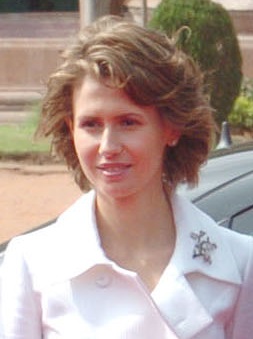


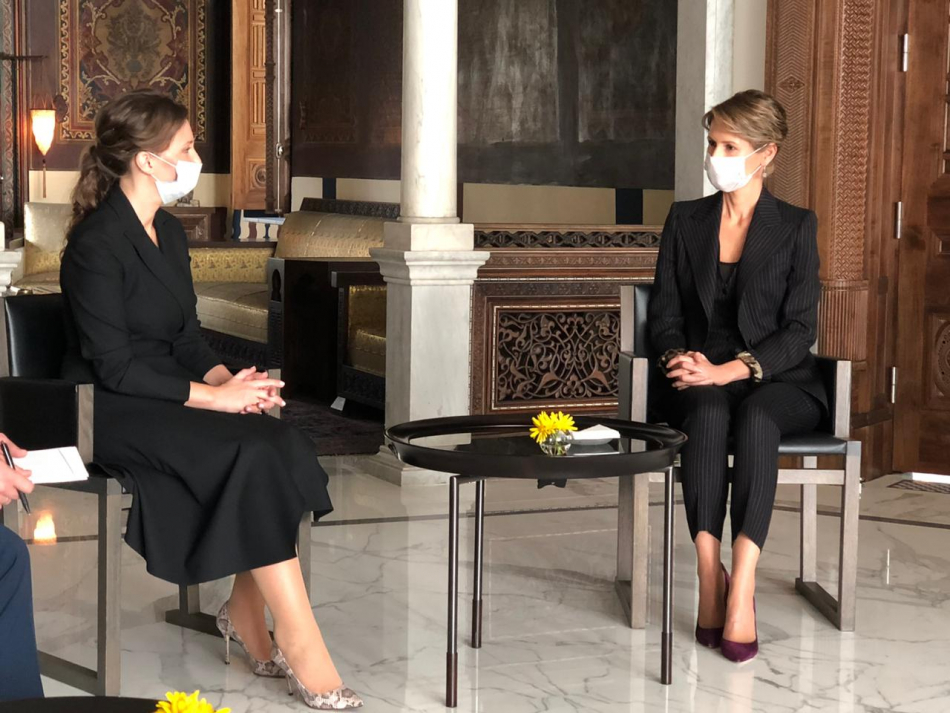

Early life and education
Asma was born and educated in London to a family of Syrian origin. She completed schooling and early professional training in Britain and gained experience in the financial services sector before moving to Syria. For linguistic and name forms in Arabic see the entry on Arabic forms.
Marriage and family
She married Bashar al‑Assad shortly before he became president. The couple has children and the family life of the president and First Lady has been part of public profiles produced by state and international media. Official references to the presidential household appear alongside broader descriptions of the office First Lady office.
Public initiatives and patronage
In her role as First Lady, Asma al‑Assad participated in cultural, educational and social initiatives promoted by state institutions. State media and official events highlighted projects in areas such as arts, education and community programmes; these activities were often framed as part of development and public diplomacy efforts aimed at economic and social improvement within Syria.
Role during the Syrian conflict
Since the outbreak of large‑scale unrest and armed conflict in Syria, her public standing has become closely tied to the wider fortunes of the regime. International reporting and commentary contrasted earlier portrayals of a Western‑educated modern figure with the realities of a state engaged in prolonged conflict. Observers debated the degree of the First Lady's political influence and the symbolic effects of her public presence.
International reaction, restrictions and controversy
As the crisis in Syria attracted global scrutiny, various governments, international bodies and human rights organisations criticised the conduct of the Syrian government and reassessed relationships with state institutions. Some governments imposed travel restrictions, asset measures or other sanctions affecting senior officials and their families. Supporters of the presidency argued that public initiatives should be judged on local impact, while critics maintained that political accountability warranted restrictions. Contextual information about the country is available at Syria, and background on her London upbringing is noted at London.
Public image and legacy
Her image has been contested: early international profiles emphasised education, fashion and engagement in social projects, whereas later coverage focused on the ethical and political questions raised by the conflict and by the regime's actions. Assessments of her legacy vary depending on perspectives about the Syrian state, wartime governance and human rights.
For readers seeking further information about the presidency or official records, see related entries on Bashar al‑Assad and presidential records. This article presents a concise, cautious overview and avoids speculative claims about private influence or disputed events.
Author
AlegsaOnline.com Asma al‑Assad — First Lady of Syria: biography, public role, and controversies Leandro Alegsa
URL: https://en.alegsaonline.com/art/134717