
Andrew Gillum: American politician, Tallahassee mayor and 2018 Florida gubernatorial nominee
Profile of Andrew Gillum, former Tallahassee mayor, early political career, 2018 Democratic gubernatorial campaign, policy positions, and public life.
Overview
Andrew Gillum (born July 26, 1979) is an American public figure known for his roles in municipal and state politics. He served as Mayor of Tallahassee from 2014 to 2018 and was the Democratic nominee for Governor of Florida in 2018. Gillum first entered public office as a young city commissioner and later represented parts of the state legislature before becoming mayor. His rise brought national attention during the 2018 gubernatorial contest and generated discussion about racial politics, progressive policy proposals, and the changing landscape of Florida elections. For more background see a general politician profile and his affiliation with the Democratic Party.
Image gallery
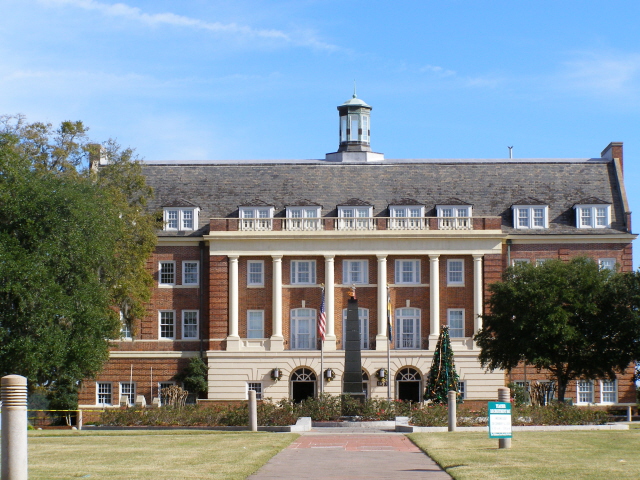
4 Images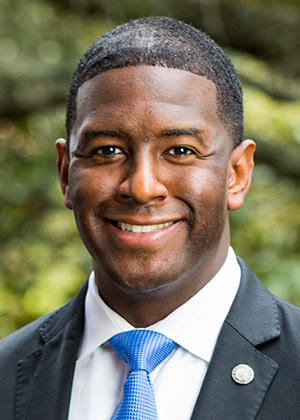


Early life and education
Gillum was born in Florida in 1979 and came of age in the state. He attended college locally and became involved in community and youth leadership programs before seeking elective office. His early experiences in municipal civic life informed his later priorities as an elected official, including economic opportunity, public safety, and access to services.
Political career and mayoralty
At age 23, Gillum became the youngest person elected to the Tallahassee City Commission in 2003, a milestone frequently cited in accounts of his career. He later served in the Florida House of Representatives before running successfully for mayor of Tallahassee in 2014. As mayor, Gillum emphasized issues commonly addressed by city executives: economic development, infrastructure investment, affordable housing, and efforts to improve equity and public health in his community. His tenure is often discussed in the context of municipal governance and leadership in a state capital; local reporting and profiles are available from outlets that covered Tallahassee during those years Tallahassee coverage.
2018 gubernatorial campaign
In 2018 Gillum won the Democratic nomination for Governor of Florida in a competitive primary and emerged as a prominent progressive voice during the general election. His platform included expanding access to healthcare, criminal justice reform, and measures to support working families. The campaign drew national attention, endorsements from national figures such as Bernie Sanders, and significant fundraising and media scrutiny. In the November general election he was defeated by Republican nominee Ron DeSantis in a close and highly scrutinized race that became an indicator of partisan trends in Florida. The primary victory and subsequent general election performance were covered widely; see summaries of the 2018 Democratic primary and reporting on the general election outcome.
Public profile, recognition and controversies
Gillum attracted national visibility beyond his campaigns. He was mentioned in various political discussions and lists of potential national candidates; for example, hacked emails released during the 2016 campaign cycle included lists of possible vice presidential choices that referenced multiple state and local leaders, and media reports noted that he had been among the many names raised in private communications related to Hillary Clinton and others; see reports tied to the email leak for context. His career has also been described alongside debates over campaign finance, governance ethics, and the pressures of rapid political ascent. After the 2018 campaign, a variety of journalistic accounts examined both his achievements and the challenges he faced.
Political positions and legacy
Gillum is generally associated with progressive policy ideas within Florida politics: expanding healthcare access, investing in education and early childhood programs, promoting criminal justice reform, and pursuing economic policies aimed at reducing inequality. Supporters credit him with energizing younger and more diverse voters in Florida; critics questioned aspects of his record and campaign management. Regardless of partisan views, his prominence in the 2018 cycle and his earlier municipal service make him a notable figure in recent Florida political history.
Further reading and resources
- Biographical summaries and profiles
- Party affiliation and platform descriptions
- Coverage from Tallahassee news outlets
- 2018 Democratic primary materials
- 2018 general election coverage
- Endorsements and national support
- Context on 2016/2017 political communications
- Reports referencing leaked email discussions
Author
AlegsaOnline.com Andrew Gillum: American politician, Tallahassee mayor and 2018 Florida gubernatorial nominee Leandro Alegsa
URL: https://en.alegsaonline.com/art/134480