
Alhambra, California: city in the San Gabriel Valley
Alhambra is a city in the western San Gabriel Valley, Los Angeles County, California, incorporated in 1903. It is known for its historic neighborhoods, diverse communities and lively commercial corridors.
Overview
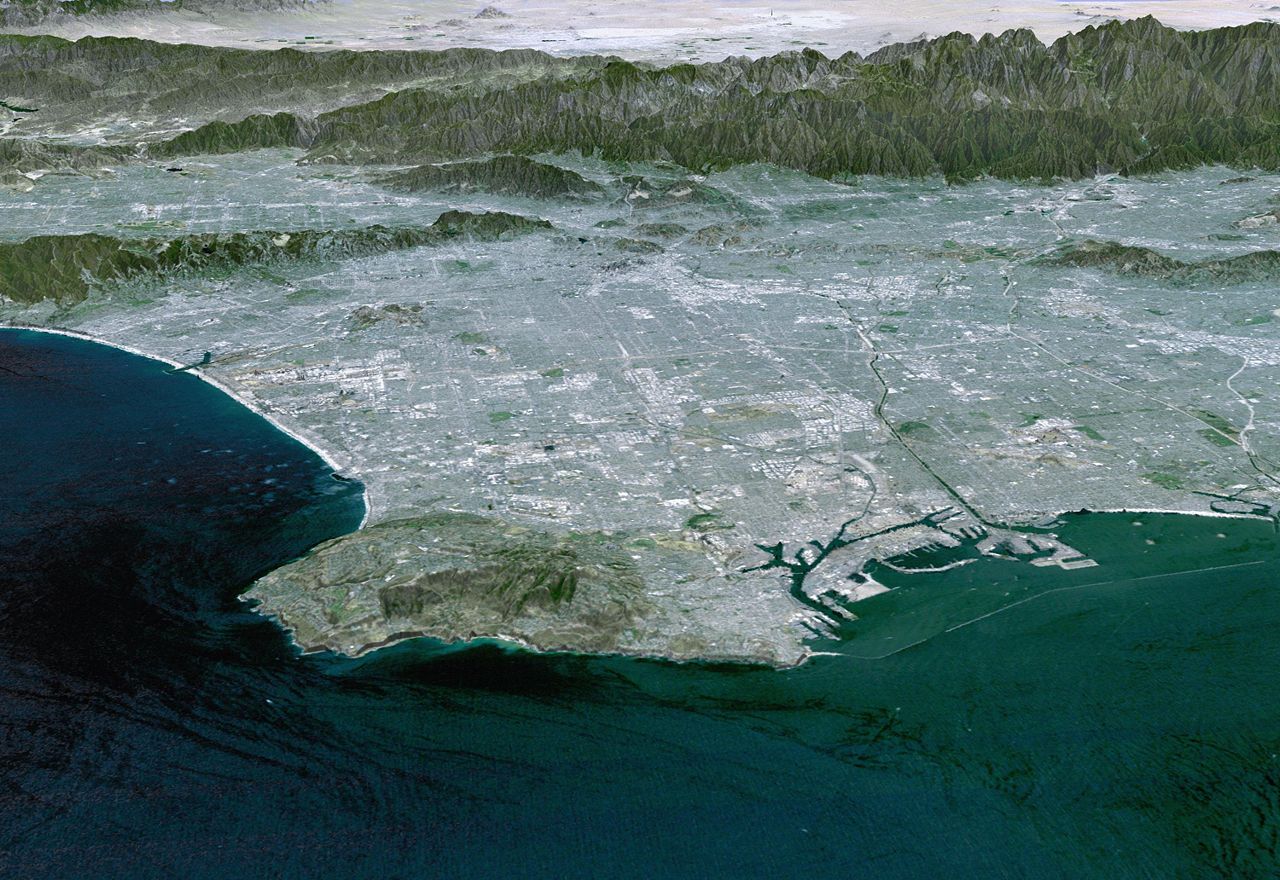
Alhambra is a residential and commercial city in the western part of the San Gabriel Valley, within Los Angeles County and the state of California. It lies roughly eight miles east of Downtown Los Angeles and serves as a dense suburban center with a mix of single-family neighborhoods, apartment districts and retail thoroughfares. The city was incorporated on July 11, 1903 and reported a population of about 83,089 at the 2010 census.
Image gallery
9 Images





History and name
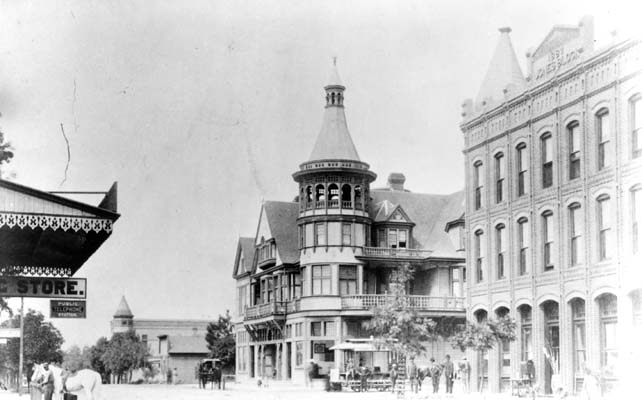
The name "Alhambra" evokes the famous Moorish palace in Spain and was adopted by local developers in the late 19th century. The area grew from ranch land and orchards into neighborhoods and commercial corridors as Southern California's population expanded. Alhambra's formal incorporation in 1903 marked its transition from rural outpost to an organized municipality with civic institutions and local government established.
Character and neighborhoods
Alhambra contains a variety of architectural styles, including early 20th-century bungalows, Mission and Spanish Revival buildings, and mid-century commercial strips. Tree-lined residential streets sit close to busy corridors such as Main Street and Valley Boulevard, which are known for shops and restaurants. Notable public spaces and landmarks include:
- Historic commercial blocks and preserved homes in parts of the city
- Parks such as Almansor Park offering recreation and community events
- Shopping and dining districts that reflect the area's cultural diversity
Culture, demographics, and economy
Alhambra is culturally diverse, with long-standing Hispanic and Asian communities alongside other groups. This diversity is visible in the local economy: small businesses, family-owned restaurants, professional services and neighborhood retail dominate. Community festivals, markets and seasonal events often highlight the city’s multicultural character.
Transportation and public services
Proximity to Downtown Los Angeles and surrounding San Gabriel Valley cities makes Alhambra well connected by regional roads and public transit options. The city maintains municipal services, parks and schools administered by local education districts, and it functions as a suburban employment and shopping hub for the surrounding area.
Notable facts and distinctions
While compact in size, Alhambra is known for its blend of historic and modern elements: preserved early residential architecture, active commercial streets, and a mix of community institutions. Its location in the San Gabriel Valley places it within one of Southern California’s most populous and varied suburban regions.
Author
AlegsaOnline.com Alhambra, California: city in the San Gabriel Valley Leandro Alegsa
URL: https://en.alegsaonline.com/art/134301