
Albert A. Gore Sr.
Albert A. Gore Sr. (1907–1998) was a long-serving Democratic politician from Tennessee who represented his state in the U.S. House and Senate during the mid-20th century and was the father of Vice President Al Gore.
Albert Arnold Gore Sr. was an American politician and public servant whose career spanned the middle decades of the 20th century. He served as a U.S. Representative in the House and later as a U.S. Senator in the Senate as a member of the Democratic Party, representing the state of Tennessee. He is also widely known as the father of Albert A. Gore Jr. (Al Gore), who became the 45th Vice President of the United States (1993–2001).
Image gallery
5 Images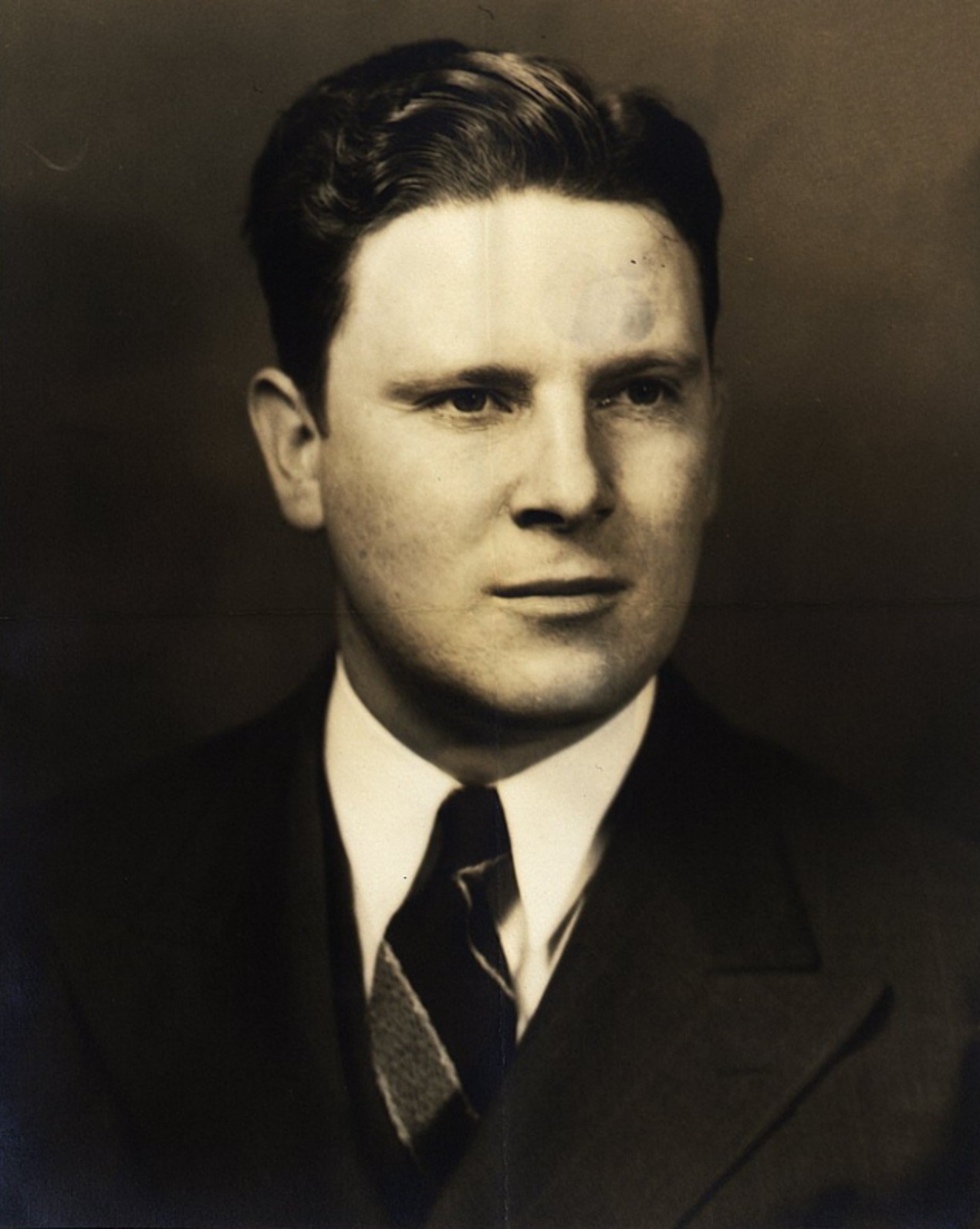


Overview of career
Gore Sr. built a reputation as a steady regional leader who worked on issues affecting rural and small-town constituents. Elected to federal office in the era of the New Deal and serving through the postwar decades, he participated in debates over infrastructure, agriculture, commerce and federal programs intended to expand services in less-populated parts of the country. His tenure reflected the pragmatic, often bipartisan style common among Southern Democrats of his generation.
Political focus and achievements
Throughout his years in Congress he emphasized practical measures to improve daily life in his state: improving roads and waterways, supporting farmers and rural electrification efforts, and advocating for federal investment in local projects. He was involved in oversight and lawmaking related to commerce and public works and was known for attention to constituent services and regional economic development.
Key themes
- Regional advocacy: focused on Tennessee’s economic and infrastructure needs.
- Legislative pragmatism: worked within institutional committees to secure projects and funding.
- Public service legacy: long tenure that shaped expectations for federal assistance to rural areas.
Gore’s style combined traditional Southern Democratic politics with an acceptance of many federal programs that his constituents relied upon. He was neither a doctrinaire ideologue nor an outspoken national celebrity; his influence was strongest in legislative maneuvering and constituent representation rather than in rhetorical leadership on the national stage.
Later life and legacy
After leaving elective office, he remained a respected figure in Tennessee political life. His public career is often remembered both for the projects and attention he secured for his state and for the political lineage that followed: his son, Albert A. Gore Jr., rose to national prominence, serving as the country’s Vice President in the 1990s. Histories of mid-20th-century American politics frequently cite Gore Sr. as representative of the generation of Southern Democrats who balanced local priorities with the expanding role of the federal government.
Author
AlegsaOnline.com Albert A. Gore Sr. Leandro Alegsa
URL: https://en.alegsaonline.com/art/134230