
Al-Battani: medieval astronomer, mathematician and trigonometrist
Al-Battani (c. 858–929) was an influential astronomer and mathematician from Harran whose precise observations and trigonometric tables shaped medieval and Renaissance astronomy.
Al-Battani (Arabic: Abū ʿAbd Allāh Muḥammad ibn Jābir ibn Sinān al-Raqqī al-Ḥarrānī; c. 858–929) was a leading astronomer, astrologer and mathematician in the Islamic world. He is widely remembered for precise naked-eye observations, improvements to astronomical parameters, and the development and practical application of trigonometry. Contemporary and later scholars in both the Islamic world and Europe studied and cited his work.
Image gallery
5 Images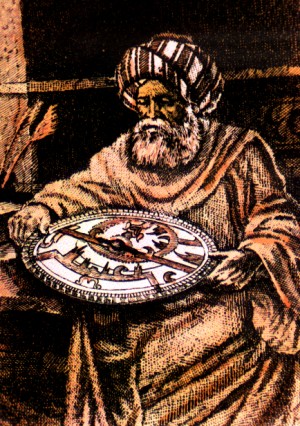


Life and background
Al-Battani was born in the region of Harran and lived during a period often called the Islamic Golden Age. Little survives about his private life beyond biographical outlines, but surviving tables and treatises show a long career devoted to observation and calculation. His full name and nisbas indicate links to Harran and Raqqa; he is commonly known in Latinized form as Albategnius or Albategni.
Major works and methods
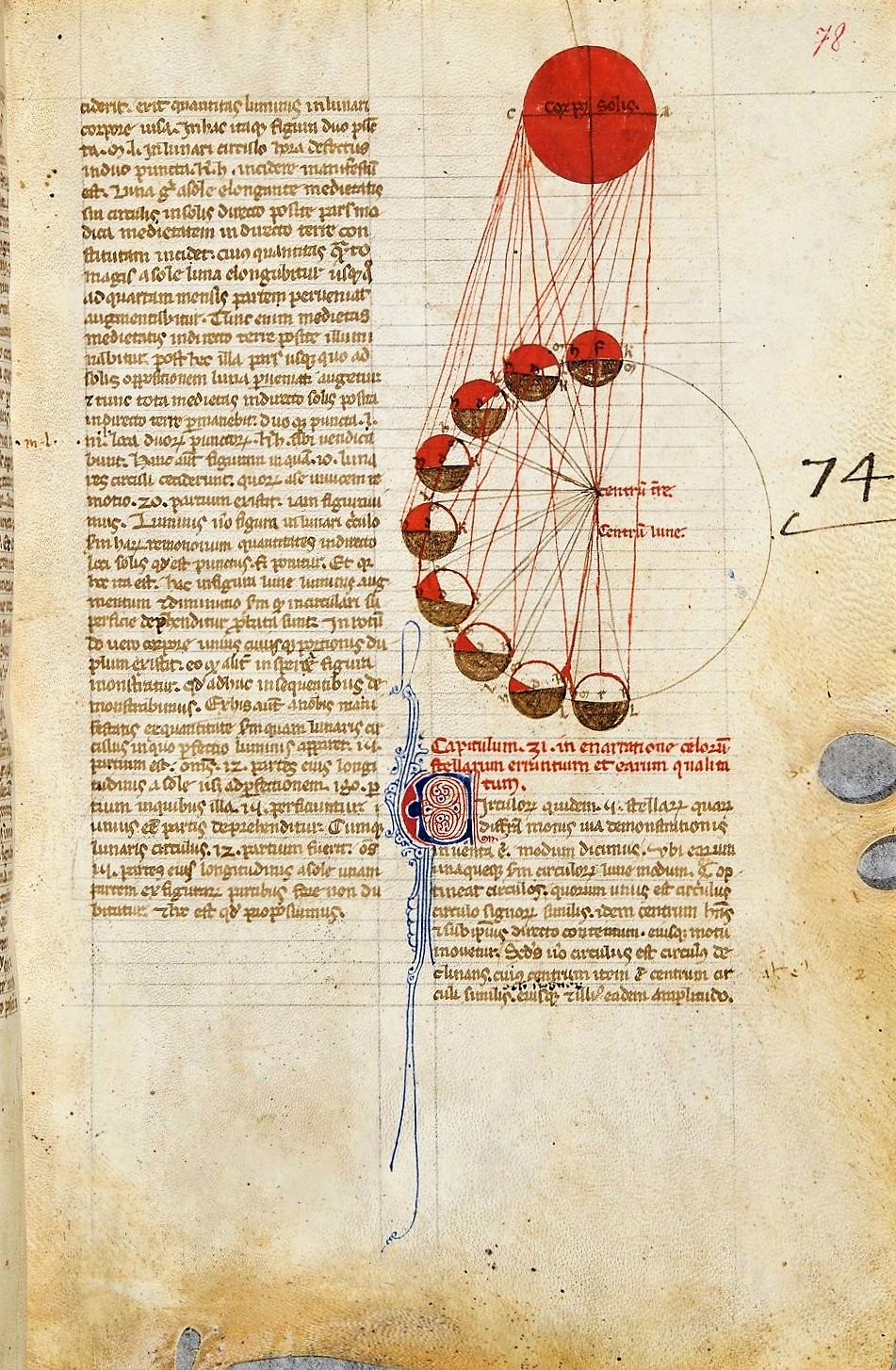
His principal astronomical handbook, often referred to as a zij, compiled observational data and computational procedures for predicting planetary positions, solar and lunar motion, and eclipses. Al-Battani replaced some classical chord methods with trigonometric functions and produced extensive tables of sines and related ratios. He refined values for the length of the solar year, the obliquity of the ecliptic, and the rate of precession of the equinoxes based on long-term observations.
Contributions to mathematics and trigonometry
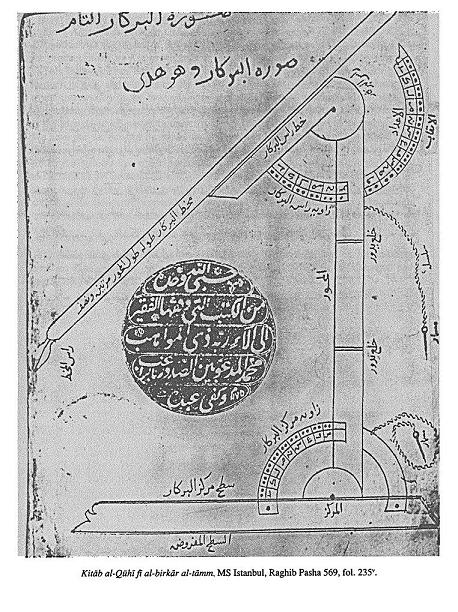
Al-Battani applied trigonometric reasoning to astronomical problems, using and popularizing functions such as sine, cosine, tangent and cotangent. His tables and procedures made it easier to convert geometric models into practical calculations. Later European astronomers and mathematicians translated and used his methods; for example, his figures appear among the sources cited by Renaissance writers such as astronomers and by reformers of planetary theory including mathematicians working in the pre-Copernican and Copernican eras.
Legacy and influence
Al-Battani's measurements and trigonometric techniques informed both Islamic and European astronomy for centuries. His work reached Latin readers and contributed data that were consulted by later scholars, including trigonometry-informed astronomers of the medieval and Renaissance periods. His name survives in astronomical nomenclature: a lunar crater is named Albategnius in his honor. He remains a representative figure of scientific activity centered in regions such as Harran.
- Overview: observer, calculator and compiler of a major zij.
- Techniques: early systematic use of trigonometric functions and tables.
- Impact: source for later medieval European astronomical work.
While some numerical details in manuscript copies vary, the enduring value of Al-Battani's approach lies in combining careful observation with practical mathematical methods, which helped bridge classical astronomy and later developments in celestial theory.
Author
AlegsaOnline.com Al-Battani: medieval astronomer, mathematician and trigonometrist Leandro Alegsa
URL: https://en.alegsaonline.com/art/134186