
Adin Steinsaltz (1937–2020): Scholar, Talmudist, and Educator
Biography and overview of Rabbi Adin Steinsaltz, his Talmud edition and translations, scholarly approach, influence, major works, honors, and legacy.
Adin Even‑Israel Steinsaltz (11 July 1937 – 7 August 2020) was an Israeli rabbi, teacher and public intellectual best known for a life’s work dedicated to making classical Jewish texts accessible to modern readers. Trained in Jewish learning and active as a writer and educator, he produced a widely used edition of the Babylonian Talmud that combined translation, commentary and scholarly notes. His work sought to bridge traditional study methods and contemporary readers’ needs while reaching audiences inside and beyond Israel.
Image gallery
2 Images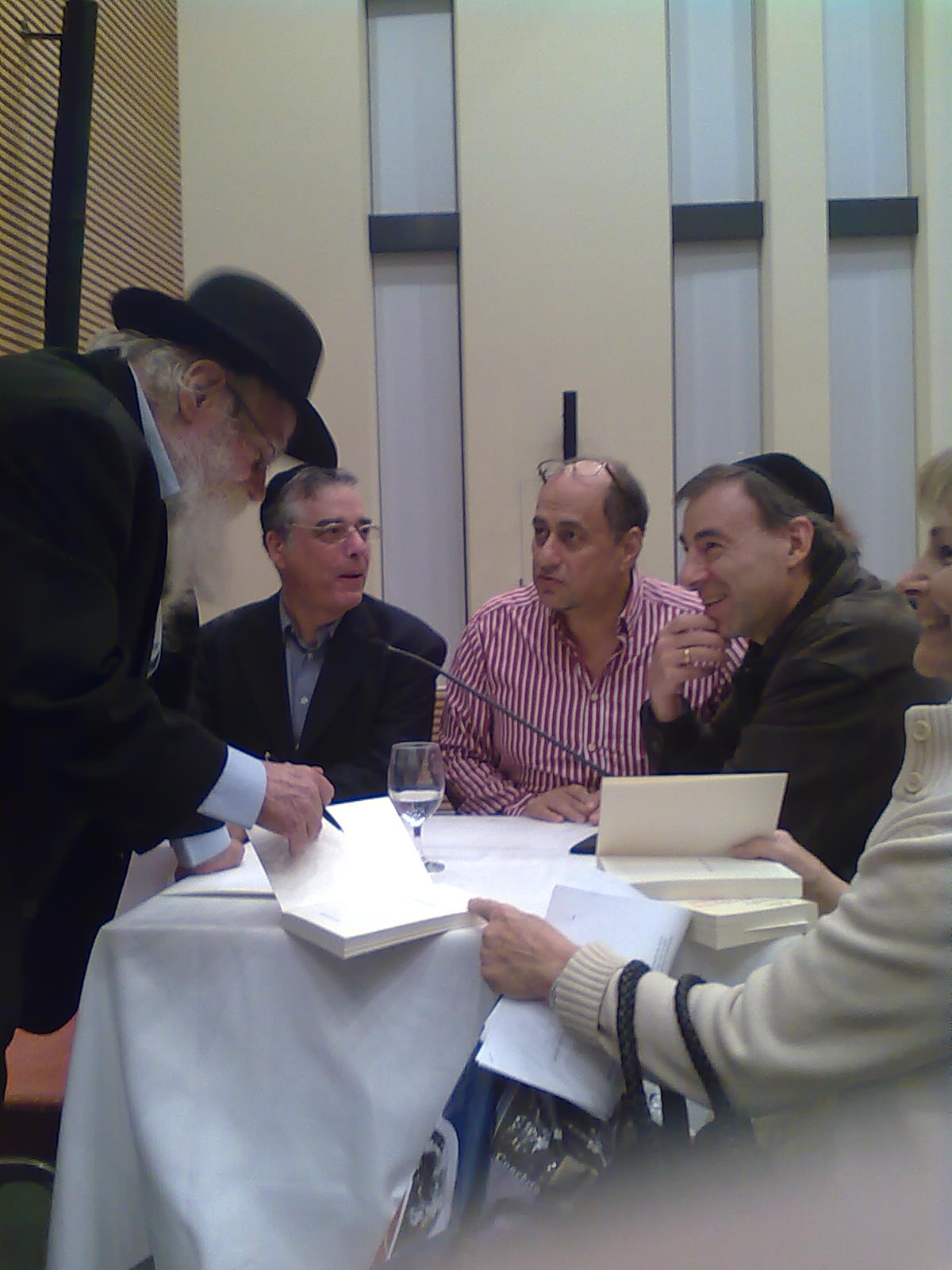

Major works and approach
Steinsaltz is most widely identified with his annotated Talmud edition. First published in modern Hebrew and later rendered into multiple languages, this edition presented the traditional Aramaic and Hebrew text alongside a clear modern-language translation, explanatory notes, and introductions to tractates. The goal was to clarify difficult passages, explain technical terms and historical background, and provide a structured entry point for those unfamiliar with classical rabbinic study. Translations and adaptations of his work made the Talmud available to English, French, Russian and Spanish readers.
Life and career
Born in Jerusalem, Steinsaltz developed a wide intellectual range as a rabbi, philosopher and educator. He authored books on Jewish thought and mysticism as well as the multi‑volume Talmud project. In addition to publishing, he organized educational initiatives and institutions intended to support study and dissemination of Jewish texts. Over decades he continued to revise and expand his editions, supervising translations and educational materials that accompanied them.
Reception and influence
Steinsaltz’s work attracted broad popular appreciation for opening complex material to newcomers and for stimulating renewed interest in Talmud study. At the same time, portions of the religious establishment offered cautious or critical responses to aspects of his methodology; his efforts provoked discussion about how best to present canonical texts in modern formats. Overall, his editions have been used in synagogues, study groups, academic settings and by private learners worldwide, contributing to a rise in accessible Talmud study outside traditional yeshiva contexts.
Selected publications and themes
- The Steinsaltz edition of the Babylonian Talmud: annotated translation and commentary in modern language.
- Writings on Jewish thought and mysticism, intended for both specialists and general readers.
- Educational materials and introductions designed to teach methods of study and contextual background.
Awards, distinctions and legacy
During his lifetime Steinsaltz received several prominent honors recognizing his contributions to Jewish scholarship and education. Notable recognitions include the Israel Prize for Jewish Studies and civic awards. His work is preserved through print editions, translated volumes and ongoing educational projects that continue to use his translations and annotations as a gateway to traditional sources.
For readers seeking further information about his background, affiliations and published editions, see resources associated with the Chabad community and broader scholarly discussions: Chabad connections, biographical summaries as a rabbi and scholar, material tied to his birthplace of Jerusalem, reference to his Talmud project Talmud editions, and details of major awards such as the Israel Prize.
Author
AlegsaOnline.com Adin Steinsaltz (1937–2020): Scholar, Talmudist, and Educator Leandro Alegsa
URL: https://en.alegsaonline.com/art/134130