
2020 Kyushu floods
Severe rainfall on 4 July 2020 produced widespread flooding and landslides across Kyūshū, especially in Kumamoto and Kagoshima prefectures; 49 people were confirmed dead and many communities were damaged.

On 4 July 2020 exceptionally heavy rainfall struck the southern Japanese island of Kyūshū, producing flash floods and landslides that devastated parts of Kumamoto Prefecture and Kagoshima Prefecture. The event is commonly referred to in English sources as the 2020 Kyushu floods. Torrential rain over a short period led to rapidly rising rivers, inundated neighborhoods, and slope failures in mountainous areas.
Image gallery
5 Images
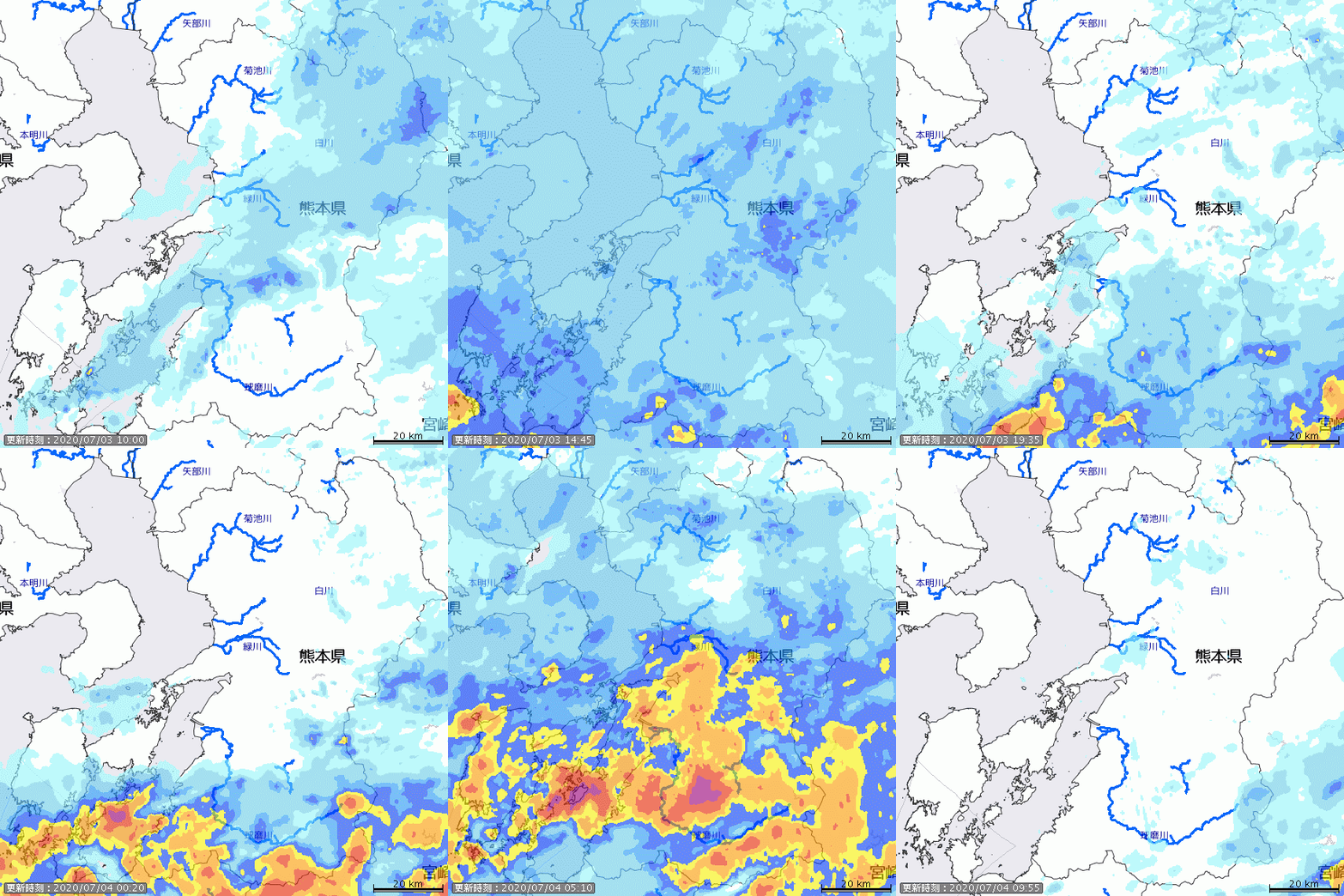


Meteorological factors and timeline
Atmospheric conditions that week produced stalled rain bands over Kyūshū. Intense convective storms dropped very large amounts of water on already wetted soil, reducing its stability and increasing runoff. River levels rose quickly, overtopping banks in multiple locations and triggering landslides in steep valleys. Weather agencies issued heavy rain warnings and emergency advisories as the situation developed.
Impact and casualties
The flooding and landslides caused extensive damage to homes, roads, bridges and utilities. In total, 49 people were confirmed dead as a result of the disaster. Among those victims were 14 residents of an elderly care home in the Kuma area of Kumamoto, where flooding overwhelmed the facility. Many more people were displaced or cut off by damaged infrastructure, and local authorities reported numerous rescues and searches for missing residents in the days after the storms.
Response and recovery
Municipal, prefectural and national agencies mobilized search-and-rescue teams, emergency shelters and relief supplies. Evacuation orders and advisories were issued for vulnerable communities, and volunteers, non-governmental organizations and military units assisted in recovery operations. Restoration of roads and utilities was prioritized to reconnect isolated towns and allow emergency aid to reach affected areas.
Aftermath, analysis and notable points
- Investigations examined how flood defenses and building placement influenced damage patterns and how care facilities can better prepare for sudden floods.
- Commentators noted that warmer air can hold more moisture and that climate change is expected to increase the intensity of some heavy rainfall events, making such floods a growing concern.
- The disaster highlighted challenges in evacuating elderly and mobility-limited residents during fast-onset floods and prompted reviews of emergency planning for care homes.
For further regional context and official reports, see material produced by the prefectural governments and Japan's meteorological authorities. Additional photographic and human-interest accounts document the immediate impacts and the community-led rebuilding that followed the 2020 Kyushu floods. Related topics include flood management, landslide mitigation and disaster preparedness in Japan.
Author
AlegsaOnline.com 2020 Kyushu floods Leandro Alegsa
URL: https://en.alegsaonline.com/art/133786