
July 2020 Armenian–Azerbaijani skirmishes along the state border
A series of cross-border clashes between Armenian and Azerbaijani forces from 12–16 July 2020 near Tavush (Movses) and Tovuz (Ağdam), producing multiple military and civilian casualties and raising regional tensions.
In mid‑July 2020 a brief but intense set of military clashes occurred along the internationally recognised state border between Armenia and Azerbaijan. The confrontations, which began on 12 July and persisted through 16 July, involved units of the Armed Forces of Armenia and the Azerbaijani Armed Forces and were concentrated near the Armenian village of Movses in Tavush Province and the Ağdam area of the Tovuz District on the Azerbaijani side.
Image gallery
8 Images
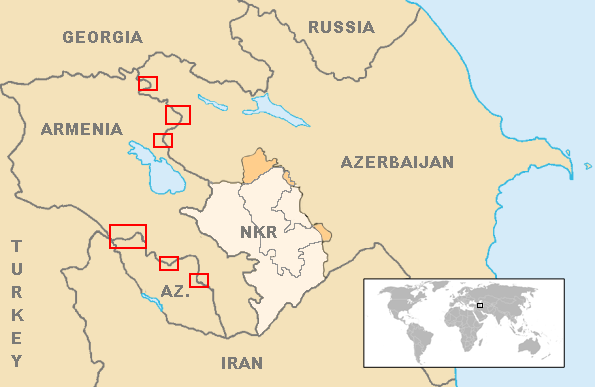


Where and when the clashes took place
Fighting during these days unfolded away from the disputed Nagorno‑Karabakh enclave and instead along points of the state border in the north‑eastern section of the frontier. Armenian sources identified incidents near Movses in Tavush Province, while Azerbaijani reports described activity around Ağdam in the Tovuz District. Exchanges of fire, including small arms and artillery according to official statements from both sides, flared up intermittently over a four‑day period before subsiding.
Casualties and military losses
Both governments reported military fatalities and wounded. International media and official statements attributed at least 15 military deaths and one civilian death to the clashes. Azerbaijani sources confirmed losses that included senior officers, naming among them a major general, a colonel and two majors. Armenian announcements recorded the deaths of a major, a captain and several non‑commissioned officers, including sergeants.
Context and significance
These skirmishes occurred against a background of long‑running tension between Armenia and Azerbaijan stemming from the unresolved Nagorno‑Karabakh conflict and periodic border incidents. Observers noted that the July 2020 exchanges were among the most serious violent episodes since earlier flare‑ups in previous years and highlighted how violence could erupt not only in the contested enclave but also along the formal inter‑state boundary.
Diplomatic reaction and aftermath
Both governments accused the other of initiating hostilities and described their response as defensive. International mediators and neighbouring states called for restraint and an immediate cessation of hostilities; formal ceasefire statements and a reduction in active engagements followed. Analysts later placed the July confrontation in a wider pattern of escalating tensions that preceded the larger outbreak of war in the autumn of 2020.
Notable distinctions and facts
- The July 2020 fighting was geographically distinct from many earlier incidents because it occurred along the internationally recognised border rather than primarily in Nagorno‑Karabakh.
- High‑ranking officers were among the casualties, which drew particular attention to command‑level losses and their political resonance.
- Reporting from both sides reflected asymmetric narratives about responsibility for the clashes; independent verification at the time was limited due to restricted access and the speed of events.
For contemporary reporting and primary statements from the parties involved, see official military and government releases linked through regional news and diplomatic briefings: Armenian defence statements, Azerbaijani defence statements and further coverage that examined the locations near Tavush and Tovuz/Ağdam. Other referenced accounts include summaries of officer casualties (colonel, majors, sergeants) that were cited in official and media reports during and immediately after the clashes.
Author
AlegsaOnline.com July 2020 Armenian–Azerbaijani skirmishes along the state border Leandro Alegsa
URL: https://en.alegsaonline.com/art/133770