
2018–2019 United States federal government shutdown
A 35-day partial shutdown of the U.S. federal government from Dec 22, 2018 to Jan 25, 2019, triggered by a budget impasse over border wall funding and resulting in widespread furloughs and service disruptions.
Overview
The 2018–2019 United States federal government shutdown began at midnight Eastern on December 22, 2018, when Congress did not pass appropriations or a continuing resolution to fund certain federal agencies. The impasse lasted until January 25, 2019 and is the longest such lapse in U.S. history. The immediate cause was a standoff between the White House and Congress over funding for a proposed border wall, which the President had made a central demand in budget negotiations. Timing and procedural details and broader institutional context were widely discussed during the event.
Image gallery
10 Images


Causes and political context
The shutdown arose from a partisan disagreement: lawmakers could not agree on spending levels and whether to include money for border barriers. The executive branch declined to approve the stopgap legislation presented by Congress, prolonging the lapse. The dispute reflected differences over immigration policy, border security priorities, and negotiation strategy between the legislative and executive branches. For background on the federal institutions involved, see federal government structure and the appropriations process, including the role of continuing resolutions and annual budgets. Fiscal timing and rules framed many of the procedural arguments.
Scope and immediate effects
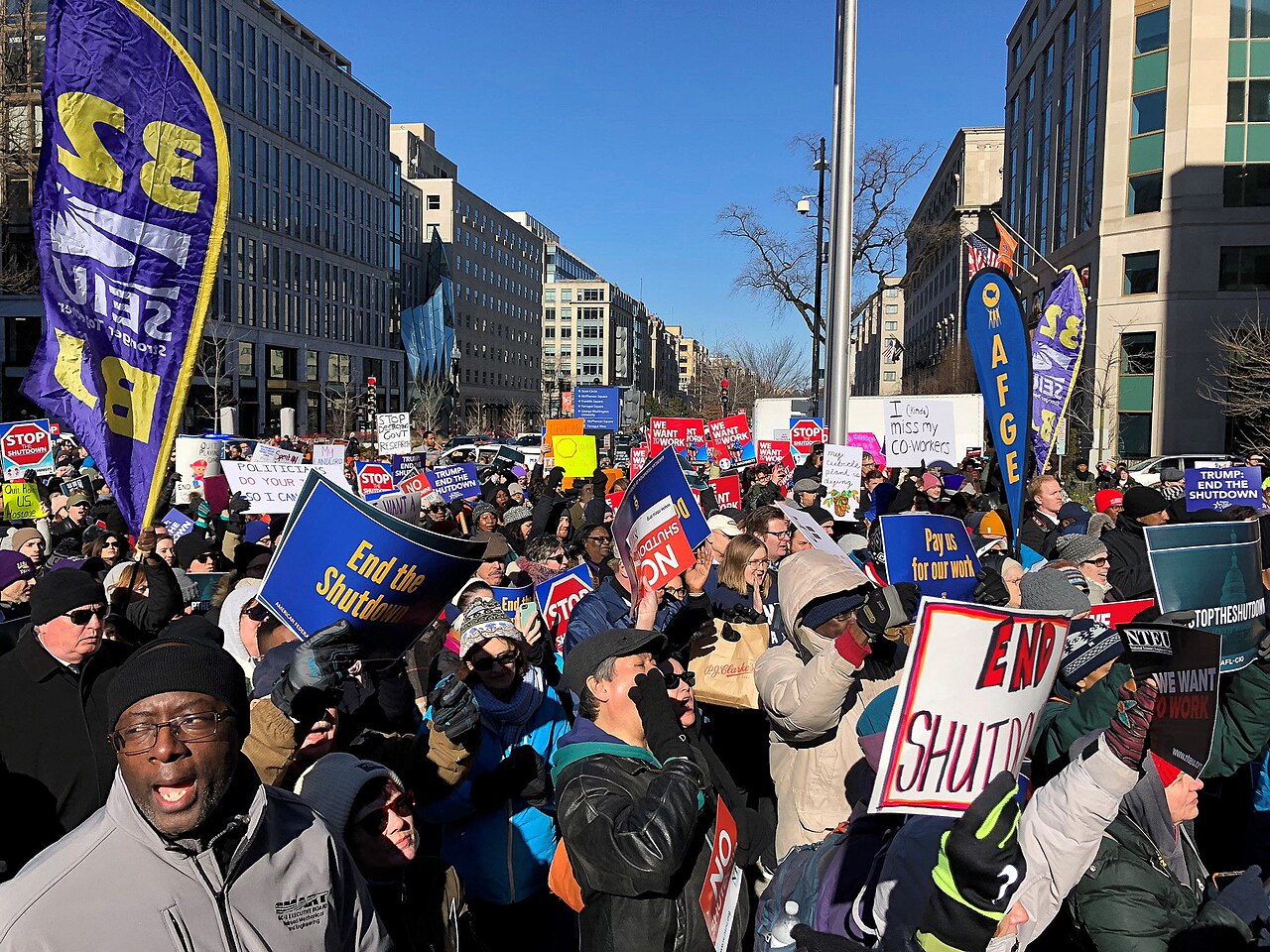
Hundreds of thousands of federal employees were affected: some were placed on furlough without pay while others deemed essential continued working but often without timely paychecks. Many federal contractors, grant programs and services experienced delays. National parks, museums and some administrative functions operated at reduced capacity or closed temporarily. Air travel and public safety functions maintained operations but faced staffing strain. The economic impact was measured in delayed pay, lost output, and increased administrative costs; independent analysts estimated the cost ran into the billions of dollars.
Resolution and aftermath
The shutdown ended when the President signed legislation to reopen affected agencies temporarily while talks continued on immigration and border funding. The agreement allowed pay to be restored to furloughed employees and resumed many services, but it did not settle the underlying policy dispute immediately. Subsequent negotiations and political fallout influenced later budget choices and oversight hearings.
Notable facts and legacy
- It holds the record as the longest federal shutdown in U.S. history, with broad attention to its human and economic costs.
- It illustrated how budget deadlines, policy disagreements and executive-legislative standoffs can produce extended lapses in appropriations.
- The episode heightened public debate over border security, immigration policy, and the impacts of forcing prolonged unpaid work by federal employees; commentary and legal reviews followed the reopening.
For more reporting and primary-source materials on the dispute and negotiations, consult coverage and official documents linked to the key actors, including statements by the President and congressional appropriations texts.
Author
AlegsaOnline.com 2018–2019 United States federal government shutdown Leandro Alegsa
URL: https://en.alegsaonline.com/art/133716