
2010 Copiapó mining accident (San José mine collapse)
Collapse of the San José copper–gold mine near Copiapó, Chile, on Aug 5, 2010, trapped 33 miners for 69 days; an international rescue effort freed them in October 2010 and prompted safety reforms.
The 2010 Copiapó mining accident refers to the collapse of the San José mine, a copper–gold operation near Copiapó in the Atacama region of Chile. On 5 August 2010 a rockfall and roof failure sealed passages and left 33 workers trapped roughly 700 metres below the surface and several kilometres from the mine entrance. The event quickly became an international news story because contact with the men was not made until 17 days later, and their eventual extraction required a complex, months-long operation.
Image gallery
10 Images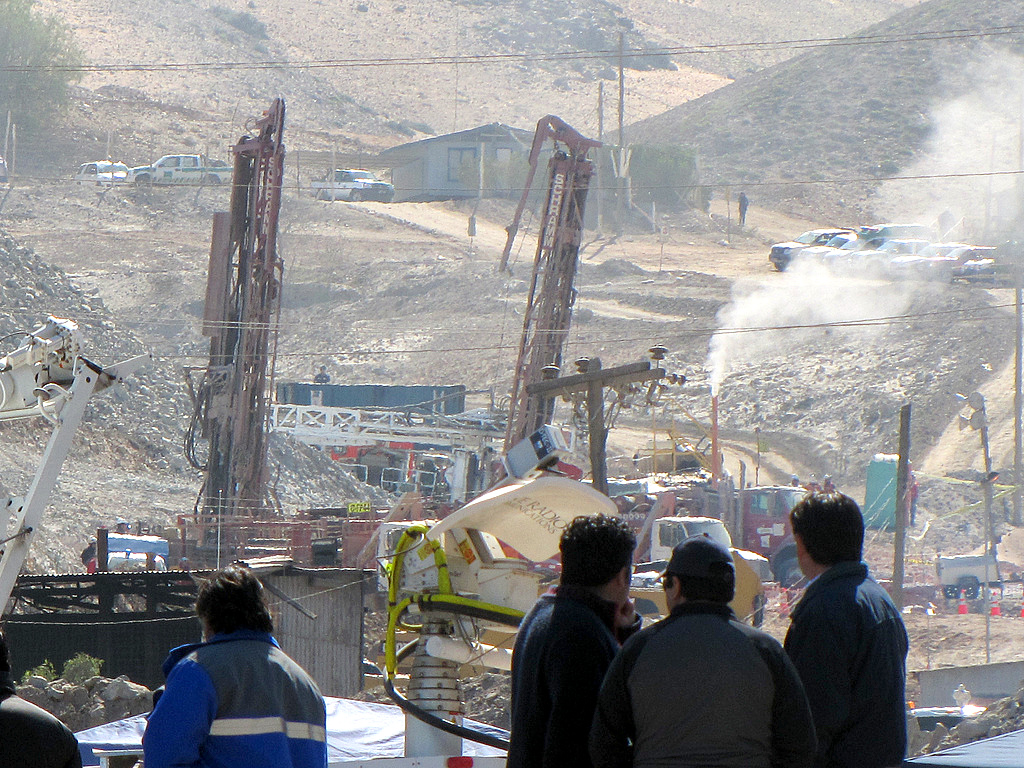


Background and immediate effects
The San José mine was a small, privately operated underground mine producing copper and gold; its owners and operating practices came under scrutiny after the collapse. Government investigators and media reports noted prior safety incidents at the site and concluded that inadequate roof reinforcement contributed to the premature failure. One earlier accident at the mine had been fatal, and regulators later criticized the company for failing to implement stronger preventive measures.
Contact, survival and daily life underground
After drilling to reach the trapped men, rescuers established a narrow borehole that allowed supplies and communication to be sent down. When contact was first made, the miners replied with a note that became widely publicized: "Estamos bien en el refugio los 33" (we are well in the refuge, the 33). For weeks the men lived in an improvised refuge area, rationing food and water, managing waste, sharing duties and maintaining morale. Psychological support and technical advice were provided by international specialists who advised on nutrition, sleep schedules and interpersonal tensions during prolonged confinement.
Rescue operations and technologies
The extraction effort combined three parallel drilling plans to reach the miners' chamber: conventional raise-bore drilling, large-diameter rotary drills and a third contingency route. Engineers, mine specialists and foreign governments contributed equipment and expertise. A narrow escape capsule, the "Fénix" rescue capsule, was constructed and tested to convey each worker to the surface in a controlled ascent. The final phase of the operation culminated in October 2010; after 69 days underground the men were brought out one at a time in a high-profile televised sequence. The first miner to emerge was Florencio Ávalos.
International attention and aftermath
The accident drew sustained global attention: media coverage, visits by foreign delegations and offers of assistance from mining companies and technical teams worldwide. The Chilean government reviewed mine safety regulations, and legal inquiries and civil actions followed against the owning company. The rescued men received medical and psychological care, and many took part in public appearances and commemorative events that highlighted occupational safety and mine rescue methods.
Notable aspects and legacy
- The operation is remembered for its coordination of international expertise and rapid mobilization of specialized drilling resources.
- The phrase from the miners' first written contact became a symbolic sign of hope and resilience.
- Beyond the dramatic rescue, the incident renewed debate about regulatory oversight, workplace safety and the responsibilities of mine operators.
The 2010 Copiapó accident remains an important case study in emergency response, human endurance and the technical challenges of deep-underground rescue. For more detailed accounts, archival reports and technical descriptions of the drilling and rescue capsule, see reports linked from primary sources and specialist analyses: mine report, rescue timeline, and news archives at San José mine coverage and regional reports.
Questions and answers
Q: When did the Copiapó mining accident occur?
A: The Copiapó mining accident occurred on August 5, 2010.
Q: How many miners were trapped in the accident?
A: 33 miners were trapped in the accident.
Q: Where is the Mine of San José located?
A: The Mine of San José is located about 45 kilometres north of Copiapó, in the Region of Atacama, Chile.
Q: How deep were the miners trapped underground?
A: The miners were trapped at about 700 metres deep.
Q: Why did the mine collapse occur?
A: According to a report from the Chilean Government from July 2010, the owners of the mine did not reinforce the roof, which led to an earlier collapse of the roof.
Q: Has the mine had accidents in the past?
A: Yes, the mine has had accidents in the past, including one death.
Q: Who was the first miner to be rescued?
A: Florencio Ávalos was the first miner to be rescued on October 13, 2010.
Author
AlegsaOnline.com 2010 Copiapó mining accident (San José mine collapse) Leandro Alegsa
URL: https://en.alegsaonline.com/art/133642