
2009 Formula One World Championship — season overview and significance
Summary of the 2009 FIA Formula One World Championship: teams, regulation changes, season narrative, calendar highlights and lasting impact, including Jenson Button and Brawn GP's titles.
Overview
The 2009 FIA Formula One World Championship marked the sixtieth edition of the series and introduced one of the most eventful and regulation-driven seasons in the sport's modern era. The championship was contested over 17 rounds, beginning with the Australian Grand Prix on 29 March and concluding with the inaugural Abu Dhabi Grand Prix at Yas Marina on 1 November. The season is notable for Jenson Button becoming Drivers' World Champion and for the newly formed Brawn GP team capturing the Constructors' title.
Image gallery
10 Images




Regulation changes and objectives
Facing a difficult global economic environment, the FIA implemented a set of technical and sporting rule changes aimed at reducing costs and encouraging closer racing. Key areas of reform included restrictions to aerodynamic appendages and bodywork, revised tyre rules to influence pit strategy and spectacle, and the regulated introduction of energy-recovery technology known as KERS. These changes represented some of the most significant regulatory shifts in decades and were intended to rebalance competition while containing team budgets. A separate, short-lived proposal to determine the World Drivers' Champion by number of wins rather than points was announced and then withdrawn after opposition from teams and stakeholders.
Teams, cars and technical trends
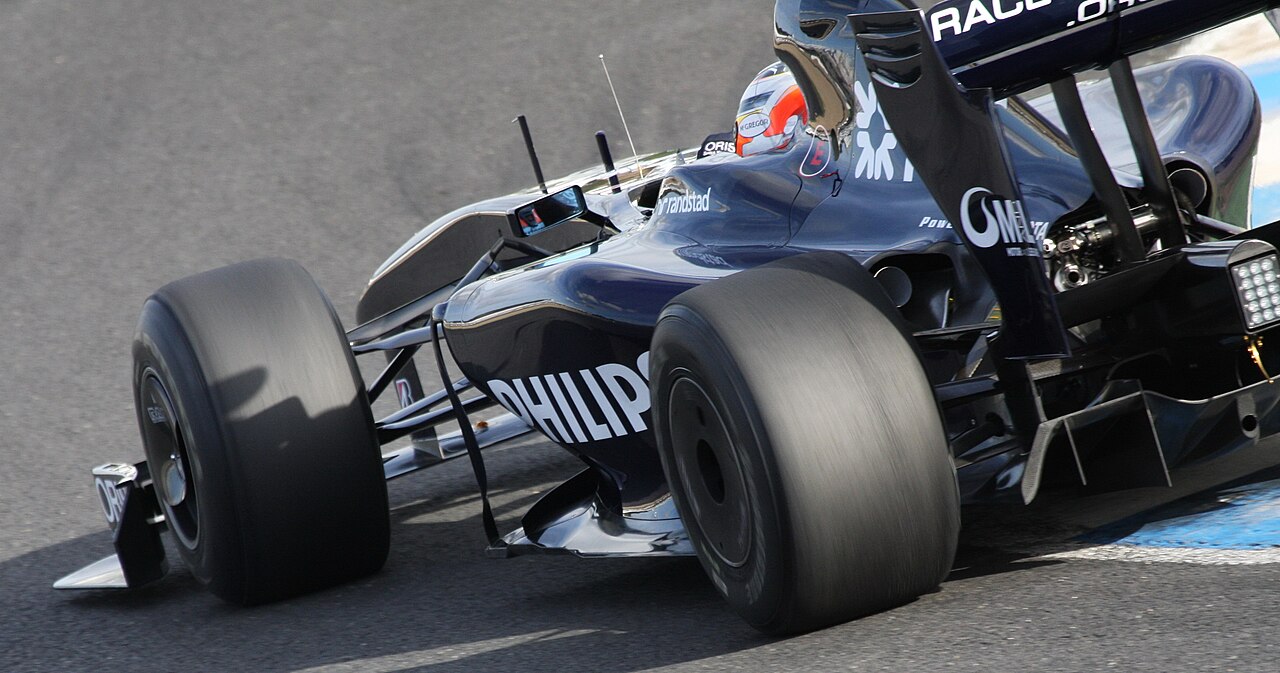
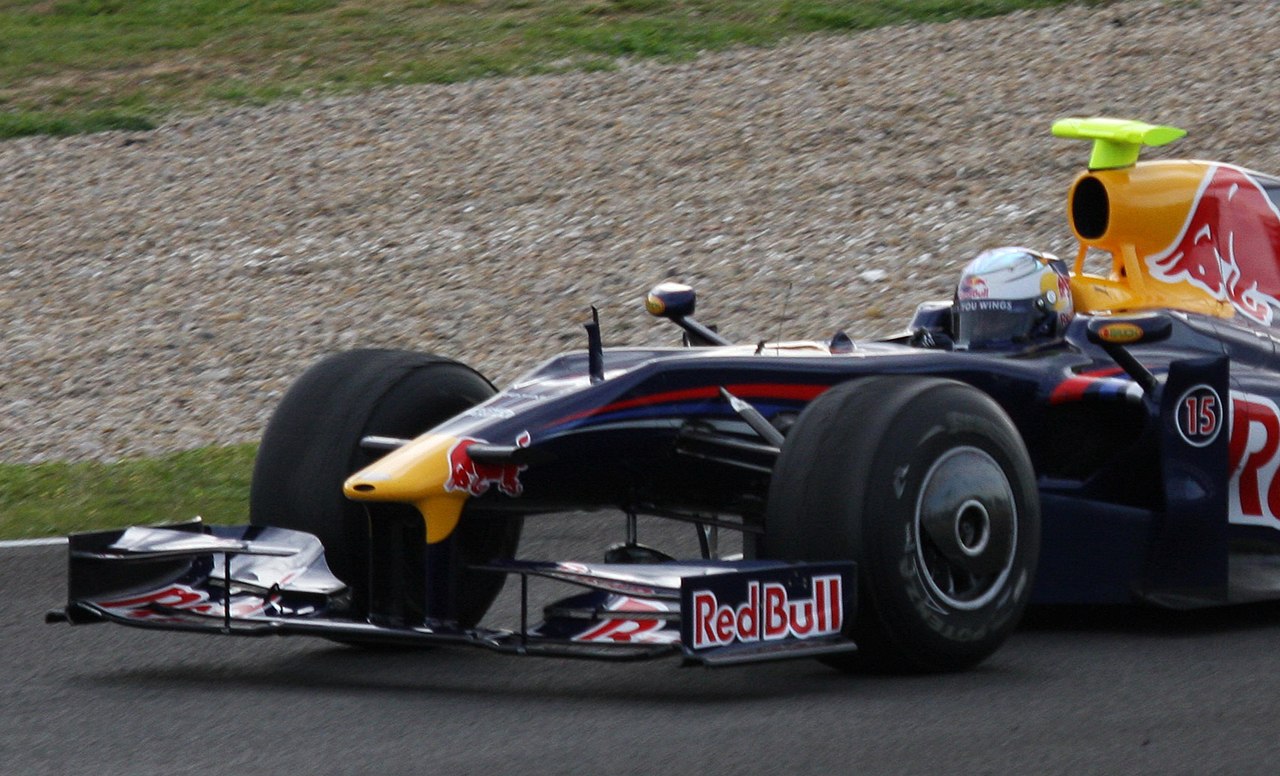
Ten teams entered the championship and developed their 2009 cars to adapt to the new regulations. The grid included established constructors such as Ferrari, McLaren, Red Bull Racing, Renault and Toyota alongside smaller and mid-field operations. A major technical storyline concerned aerodynamic solutions: some teams introduced controversial diffuser concepts that delivered a measurable advantage, while KERS—promoted as a forward-looking technology—saw mixed uptake because of weight, complexity and cost concerns. One of the season’s defining narratives was the emergence of Brawn GP, a team created from the former Honda operation and led by Ross Brawn, which exploited clever aerodynamic work to become unexpectedly competitive.
Season narrative and outcomes
The competitive order early in the year deviated from pre-season expectations as Brawn GP and its drivers enjoyed strong form at the start of the championship. Jenson Button converted that performance into a championship campaign that combined several high-profile victories with consistent points finishes. Over the course of the season other teams adapted and the pattern of results shifted, producing a competitive midfield and a number of closely fought races. At the end of the year Brawn GP secured the Constructors' title and Button was crowned World Champion, outcomes that were remarkable given the team's recent formation and limited pre-season resources.
Calendar changes and notable events
The 2009 calendar included several changes from the previous year. The new Abu Dhabi round at the Yas Marina Circuit made its debut as the championship finale, adding a purpose-built venue and a night-time finish to the series. Conversely, two long-standing races—the French and Canadian Grands Prix—were omitted from that season’s schedule. The combination of venue adjustments and technical regulation shifts made 2009 memorable both for its on-track action and for the off-track debate about the sport’s direction.
Legacy and significance
The 2009 season had a lasting influence on Formula One. It demonstrated how regulation changes can quickly reshape competitive hierarchies, highlighted the potential and practical limits of technologies such as KERS, and underlined the financial fragility of teams during economic downturns. Brawn GP’s rapid rise and subsequent commercial and sporting success also drew attention: the team’s performance prompted new ownership and investment discussions, and its story is often cited as an example of organizational resilience in motorsport. The season remains a frequent point of reference when discussing regulation-driven shifts and unexpected championship outcomes.
- Governing body: FIA
- Official series page: Formula One World Championship
- Drivers' champion: Jenson Button
- Constructors' champion: Brawn GP
- Season opener: Australian Grand Prix
- Season finale (debut): Abu Dhabi Grand Prix
- New circuit: Yas Marina Circuit
- Races dropped from 2008: French Grand Prix, Canadian Grand Prix
- Significant technical area: aerodynamics
Questions and answers
Q: What year was the 2009 Formula One season?
A: The 2009 Formula One season was the 60th FIA Formula One World Championship season.
Q: How many teams competed in the championship?
A: There were ten teams signed up to compete in the championship.
Q: Who won the Drivers' World Championship?
A: Jenson Button became the Drivers' World Champion.
Q: Who won the Constructors' title?
A: Brawn GP won the Constructors' title.
Q: How many rounds are scheduled for this season?
A: The season is scheduled to take place over 17 rounds.
Q: When did it start and when will it end?
A: It started with the Australian Grand Prix on 29 March 2009 and will end on 1 November 2009 with the Abu Dhabi Grand Prix.
Q: What changes have been implemented by FIA ?
A: Several rule changes have been implemented by FIA, in a bid to cut costs due to global financial crisis and to improve on-track spectacle. New rules governing tyres, aerodynamics and Kinetic Energy Recovery Systems (KERS), among others, are some of biggest changes in Formula One regulations for several decades.
Author
AlegsaOnline.com 2009 Formula One World Championship — season overview and significance Leandro Alegsa
URL: https://en.alegsaonline.com/art/133633