
1991 Halloween Nor'easter (the 'Perfect Storm')
A powerful late‑October 1991 Atlantic storm that began as an extratropical nor'easter, absorbed another cyclone, and briefly became an unnamed hurricane before impacting the U.S. Northeast and Atlantic Canada.
Overview
The 1991 Halloween Nor'easter, popularly called the "Perfect Storm," was an unusual and complex Atlantic cyclone that combined elements of an extratropical nor'easter and a tropical cyclone. Originating from a strong midlatitude low that developed off the eastern seaboard in late October, the system absorbed the circulation of another tropical system and, during its decay, acquired tropical characteristics. It is notable for coastal flooding, very large waves, maritime losses, and for briefly becoming an unnamed hurricane prior to moving toward Atlantic Canada.
Image gallery
10 Images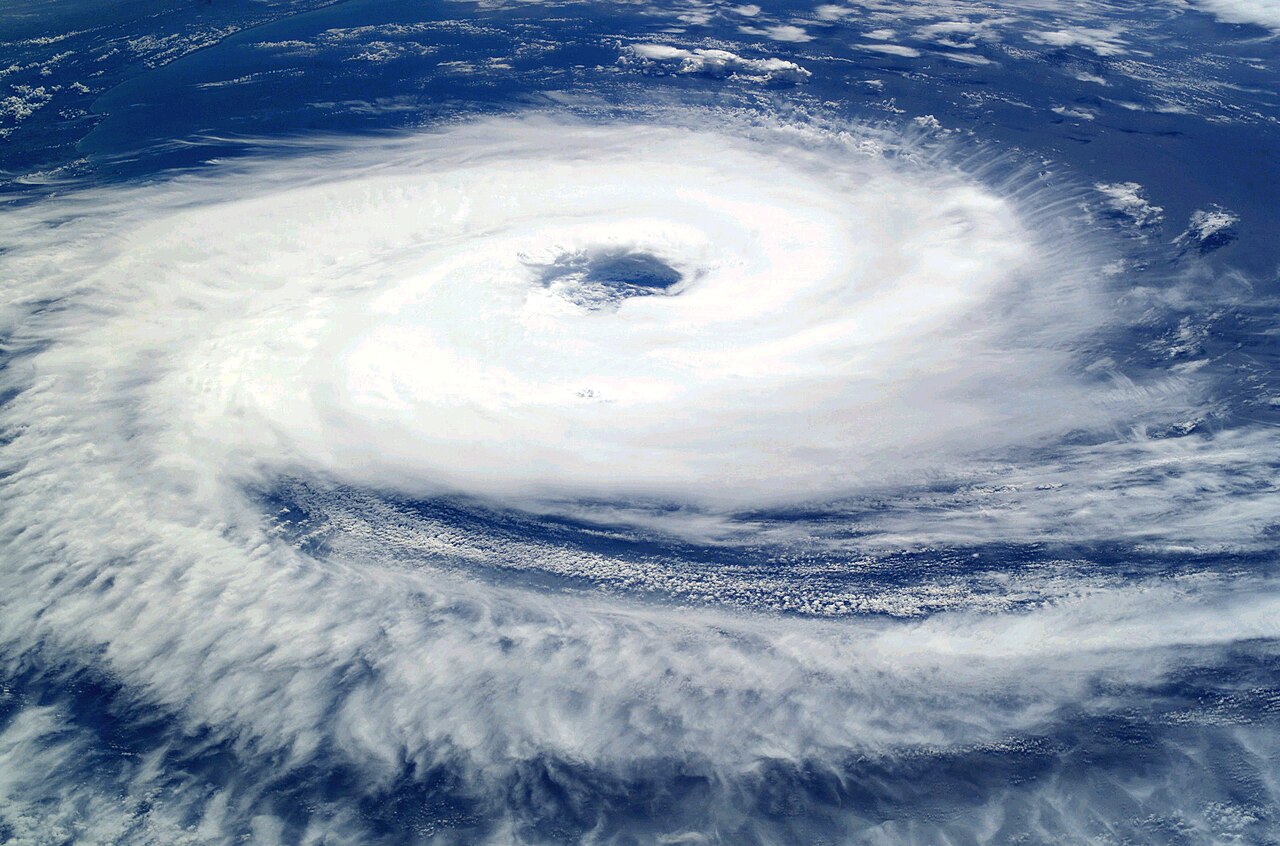


Meteorological characteristics and development
The storm began as a deepening extratropical low that drew energy from a strong temperature gradient along the U.S. East Coast. As it matured it interacted with the remnants of a nearby tropical cyclone, creating an unusually vigorous hybrid system. Late in the storm's life cycle the circulation contracted and became more symmetric, at which point it was classified as a small, tropical hurricane for a short period before weakening back to tropical storm strength. By November 2 the system reached the vicinity of Atlantic Canada as a landfalling tropical storm.
Impacts and consequences
Effects were felt along the northeastern United States and across Atlantic Canada. The most widespread impacts included coastal flooding, beach and dune erosion, very large and dangerous surf, and damage to coastal structures. Strong winds and waves damaged piers, boats, and shorefront properties. Maritime losses included the well-known sinking of the commercial fishing vessel Andrea Gail, an event later chronicled in books and film. Overall economic damage from the storm was estimated in the hundreds of millions (1991 USD), and at least a dozen people lost their lives; the majority of property damage occurred while the system was extratropical.
Historical context and naming
The 1991 storm was the final tropical cyclone of the 1991 Atlantic hurricane season and is commonly cited as that season's fourth hurricane. It went unnamed despite its brief tropical phase because it formed through an unusual transition from extratropical to tropical structure, and operational naming conventions at the time did not apply retrospectively. The event stands out in meteorological records for the rarity of a nor'easter transforming into a tropical cyclone.
Notable facts and legacy
- Cultural impact: The disaster inspired a best-selling nonfiction account and a feature film, which brought public attention to the risks faced by commercial fishermen and to extreme late‑season storms.
- Maritime lessons: The storm prompted reviews of offshore weather forecasting, emergency communication with fishing vessels, and safety practices for maritime operations in the North Atlantic.
- Scientific interest: Meteorologists study the event as a clear example of hybrid cyclone evolution and of how extratropical systems can transition to tropical structure under certain conditions.
For general background on nor'easters and extratropical cyclones see nor'easter references and extratropical cyclone summaries. Information about the 1991 Atlantic hurricane season is available at season summaries. Regional impacts and historical accounts of the storm's landfall in Nova Scotia and adjacent areas can be consulted through Atlantic Canada sources. Additional discussion of the event's cultural and maritime aftermath is summarized at post‑storm reports.
The 1991 Halloween Nor'easter remains a frequently cited example of how synoptic-scale midlatitude systems and tropical cyclones can interact to produce extraordinary weather, significant coastal impacts, and important lessons for forecasting and maritime safety.
Author
AlegsaOnline.com 1991 Halloween Nor'easter (the 'Perfect Storm') Leandro Alegsa
URL: https://en.alegsaonline.com/art/133576