
1. FC Kaiserslautern
Historic German football club from Kaiserslautern, founded in 1900. Known as the 'Red Devils', based at Fritz-Walter-Stadion; celebrated for mid-century success and a rare top-flight title after promotion in the 1990s.
Overview
1. FC Kaiserslautern (commonly abbreviated 1. FCK or FCK) is a professional association football club based in the city of Kaiserslautern in the state of Rhineland-Palatinate, Germany. Founded through a series of early-20th-century mergers, the club has long been one of the better known names in German football, famed for its red colours and passionate local support. For information from the club itself see the club page at the official site.
Image gallery
10 Images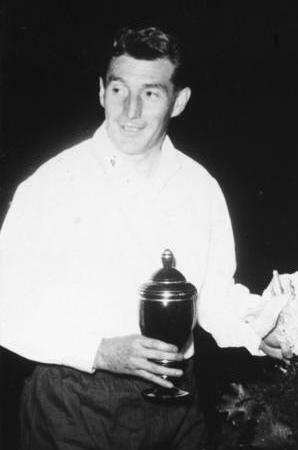


Origins and early development
The club’s roots go back to the turn of the 20th century when several local sides combined their resources to form a single, stronger team. Over the following decades 1. FC Kaiserslautern consolidated its identity on the Betzenberg hill and grew into a regional powerhouse, shaped by the dependability of local talent and several prominent players who became national figures. The team's badge and kit have centred on the trademark red and white for most of its history.
Stadium and identity
Home matches are played at the Fritz-Walter-Stadion, named after one of the club’s most famous sons, a captain of the West German national team in the mid 20th century. The stadium, set above the city, is a focal point for supporters and local culture. The club’s nickname, Die roten Teufel (The Red Devils), is widely used by fans, media and opponents alike and highlights the combative spirit associated with the side.
Sporting achievements and notable moments
Throughout the 20th century and into the modern era, 1. FC Kaiserslautern has won national honours and cup competitions and has produced players who went on to play internationally. One of the club’s most notable sporting feats occurred in the late 1990s when Kaiserslautern claimed the top-flight German championship shortly after winning promotion — a rare achievement in European football and a highlight of the club’s modern legacy. The club’s trophy cabinet and record include multiple domestic titles and cup successes attained in different eras.
Recent history and culture
Since the turn of the century, the club has experienced the ups and downs familiar to many traditional European clubs: periods of strong competition at the highest level, interspersed with relegations, restructurings and financial challenges. Despite these difficulties, Kaiserslautern retains a loyal fan base, a well-regarded youth academy, and significant cultural importance in its region. Local derbies and regional rivalries continue to attract strong interest and underline the club’s continued relevance.
Significance and distinguishing facts
- Local symbol: The club is a major sporting institution in Kaiserslautern and Rhineland-Palatinate, with deep ties to the community.
- Fritz Walter association: The stadium and much of the club’s identity are linked to Fritz Walter, a figure synonymous with post-war German football.
- Rare comeback: Winning the national championship soon after promotion in the 1990s remains one of the most talked-about achievements in the club’s history.
- Supporter culture: Fans are known for their loyalty and atmosphere at home matches, keeping the club prominent in German football discourse.
For additional context and current details about fixtures, squad and club initiatives, visit the club’s official pages linked above or regional sport resources at city information and state archives. General information about German football structures and competitions can be found via broader resources on Germany and national football bodies.
Author
AlegsaOnline.com 1. FC Kaiserslautern Leandro Alegsa
URL: https://en.alegsaonline.com/art/133393