
Yukio Hatoyama — Japanese Politician and Prime Minister (2009–2010)
Yukio Hatoyama (born 1947) led the Democratic Party of Japan to victory and served as Prime Minister from 2009–2010. His brief term was marked by reform promises, internal party conflict, and controversy over US bases and funding.
Yukio Hatoyama (born 11 February 1947 in Bunkyō, Tokyo) is a Japanese politician who led the Democratic Party of Japan (DPJ) to a historic electoral victory and served as Prime Minister from 2009 until his resignation in 2010. He belongs to a well known political family and has remained a visible — if sometimes controversial — public figure in Japan since his premiership.
Image gallery
10 Images
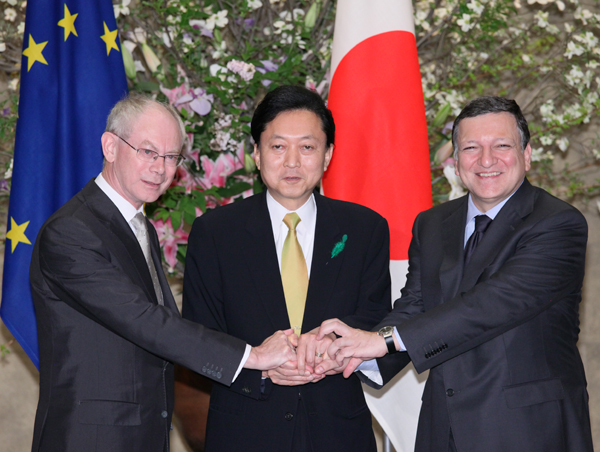
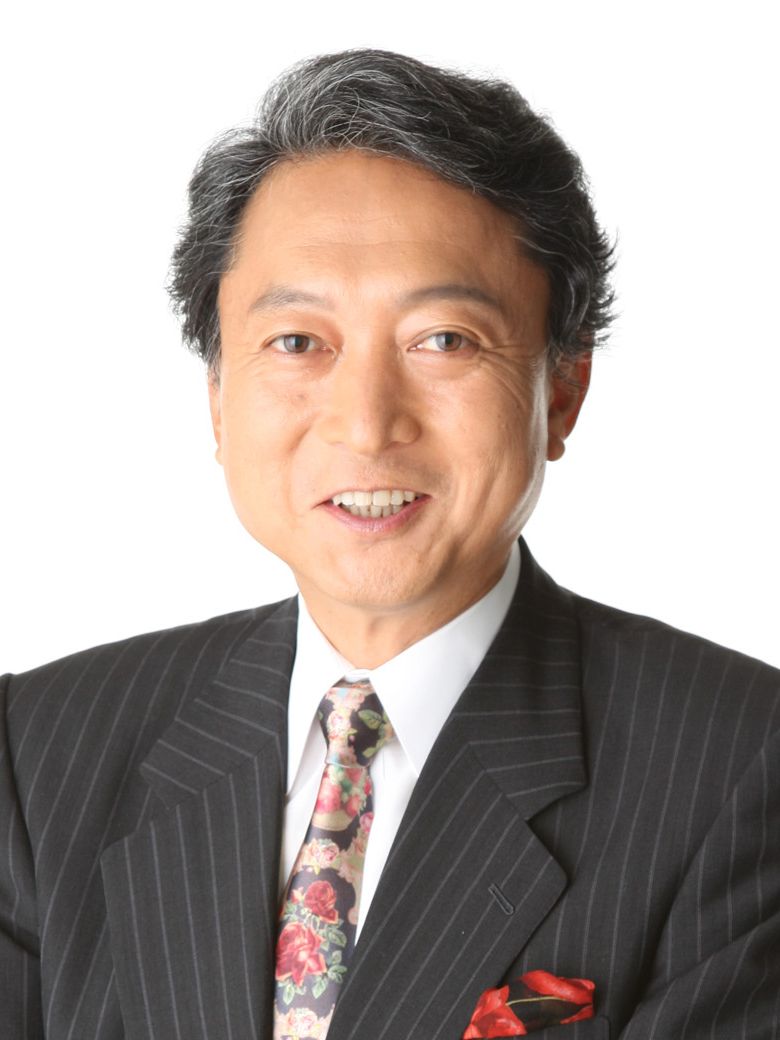

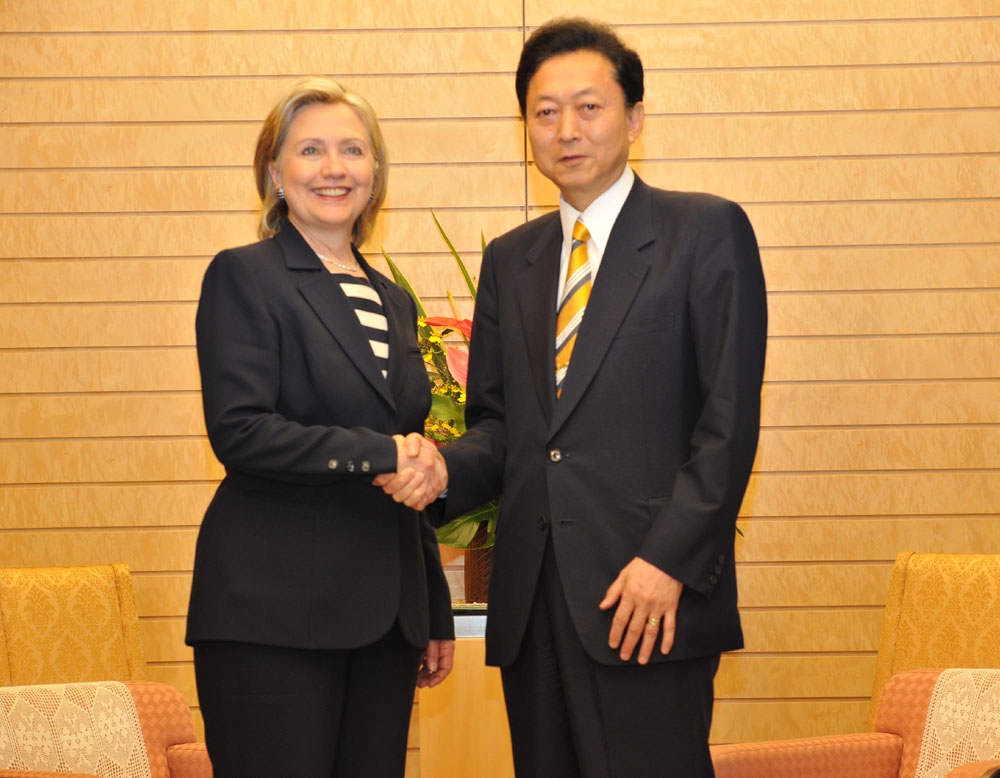
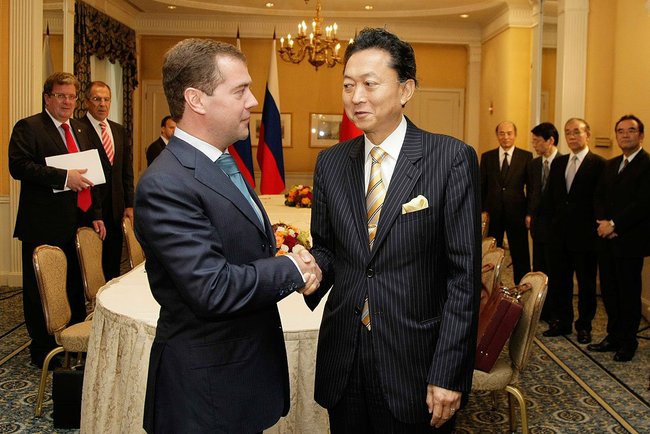
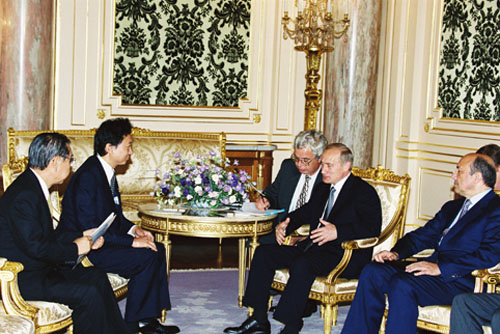

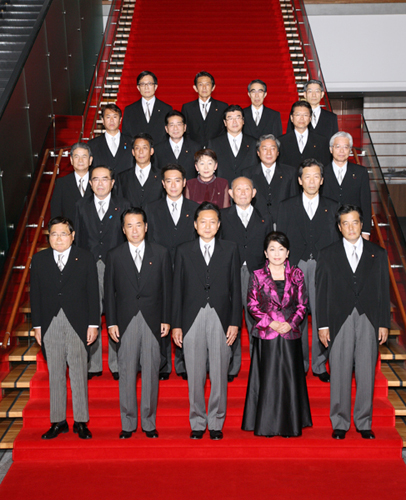

Family background and early life
Hatoyama is a member of a multigenerational political family: he is the grandson of Ichirō Hatoyama, a prominent postwar prime minister, and his brother Kunio Hatoyama is also a politician. He is married to Miyuki Hatoyama. His family background and name recognition were important factors in his public profile and political career.
Political rise and 2009 victory
As leader of the DPJ, Hatoyama oversaw the party’s campaign in the 2009 general election, which produced a decisive defeat for the long‑dominant Liberal Democratic Party and brought the DPJ to power. That election reflected widespread voter desire for change in economic and social policy and for a break with some aspects of the postwar political establishment.
Premiership: promises and priorities
Hatoyama took office amid high public expectations. His platform emphasized government reform, greater transparency, improvements in social welfare, and a recalibration of Japan’s foreign policy, including efforts to address the long‑standing issue of the concentration of U.S. military facilities in Okinawa. Translating campaign promises into durable policy proved difficult: coalition constraints, internal disagreements within the DPJ and diplomatic sensitivities limited the administration’s room for maneuver.
Funding scandals, political pressure and resignation
The Hatoyama government was affected by controversies over party funding that involved senior DPJ figures. One prominent party leader resigned amid scrutiny of donations and reporting practices, and these episodes eroded public confidence. Facing falling poll numbers and pressure ahead of an upper‑house election, Hatoyama announced his resignation in 2010 after less than a year as prime minister.
Later activity and reputation
After leaving the premiership, Hatoyama remained active in public life and commentary, sometimes drawing criticism for remarks on diplomatic and territorial issues. He left the DPJ in 2012. Observers often view his term as illustrative of the challenges of rapid political change: lofty reform ambitions met institutional constraints, factional tensions and difficult foreign‑policy tradeoffs.
Legacy and further reading
Hatoyama’s brief premiership had a lasting impact on Japanese politics by demonstrating both the potential for alternation in government and the fragility of newly ascendant parties when managing complex policy commitments. For readers seeking more detail, consult official biographies, parliamentary records and analyses of the DPJ era.
Author
AlegsaOnline.com Yukio Hatoyama — Japanese Politician and Prime Minister (2009–2010) Leandro Alegsa
URL: https://en.alegsaonline.com/art/133218