
Ichirō Hatoyama
Ichirō Hatoyama was a leading Japanese politician of the 20th century, serving as prime minister in the mid-1950s and shaping postwar conservative politics and foreign relations.
Overview
Ichirō Hatoyama was a prominent Japanese statesman who led the country as prime minister in the mid-1950s and exerted wide influence on conservative politics after World War II. A veteran of prewar and postwar government, he helped reshape party alignments and played a central role in restoring Japan’s international standing during a period of reconstruction and Cold War tension.
Image gallery
10 Images


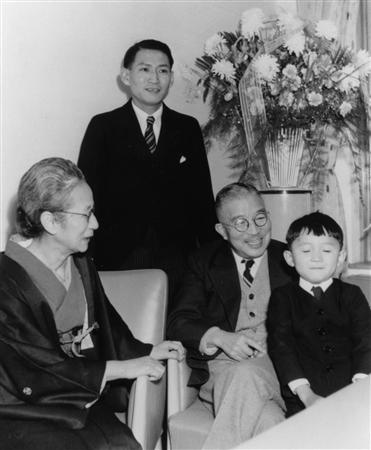

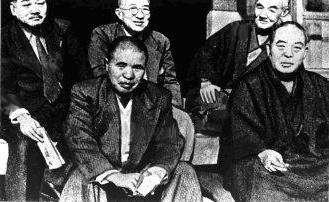
Political career and positions
Hatoyama’s career spanned many decades and included senior cabinet posts as well as leadership of conservative parties. He advocated a stronger national posture for Japan, supported measures to rebuild the economy, and favored revisions to postwar policy frameworks that he and his allies viewed as constraining national sovereignty. His administration is often remembered for efforts to normalize relations with key countries and to consolidate conservative forces into more stable party structures.
Notable actions and diplomacy
One of Hatoyama’s significant diplomatic achievements was the re-establishment of formal ties with the Soviet Union in the 1950s, a step that helped end a state of estrangement that had persisted since the war. His government also pursued pragmatic relations with Western allies while seeking to expand Japan’s independent foreign-policy voice. For more on Japan's political context see Japanese politics and for diplomatic background see postwar diplomacy.
Legacy and significance
Hatoyama left a lasting imprint on Japan’s party system and on a generation of politicians who followed him. He is regarded as a key figure in the transition from occupation-era administration to a sovereign, party-led government. Historians note his combination of pragmatic statesmanship and party-building as central to Japan’s recovery and political stabilization in the 1950s.
Characteristics and distinctions
- Statesmanship: Emphasized pragmatic settlement of international disputes and economic recovery.
- Party leadership: Instrumental in reorganizing conservative political groupings.
- Postwar influence: A bridge between prewar political experience and postwar governance challenges.
While remembered primarily for his time as prime minister, Hatoyama’s broader contribution lies in the institutional and diplomatic groundwork his leadership provided for Japan’s subsequent decades of growth and stability.
Related articles
Author
AlegsaOnline.com Ichirō Hatoyama Leandro Alegsa
URL: https://en.alegsaonline.com/art/120852
Sources
- ndl.go.jp : "Hatoyama, Ichiro (1883 - 1959)"