
Winnie Madikizela‑Mandela: anti‑apartheid leader and contested political figure
Winnie Madikizela‑Mandela (1936–2018) was a South African anti‑apartheid activist, leader within the ANC and ANC Women's League, and a polarizing public figure noted for her activism, detentions and disputed allegations.
Winnie Madikizela‑Mandela was a prominent South African activist and politician whose life became inseparable from the struggle against apartheid and the turbulent transition that followed. Born Nomzamo Winfreda Zanyiwe Madikizela on 26 September 1936, she rose to national and international attention during the decades in which the African National Congress (ANC) campaigned to end racial segregation and white minority rule. Her marriage to Nelson Mandela in 1958 placed her in the public eye while he was imprisoned; she continued to organize and protest, even when she herself faced bannings, detentions and restrictions.
Image gallery
6 Images


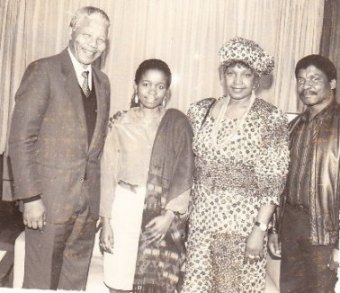
Early life and education
Madikizela‑Mandela was born in Bizana, in the region historically known as Pondoland in the former Transkei. She trained as a social worker and completed further studies at the University of South Africa (UNISA), gaining experience in Johannesburg and Soweto that informed her grassroots work. Her social welfare background shaped her emphasis on community organizing and on the material needs of oppressed urban populations.
Activism and political career
During the 1960s, 1970s and 1980s Winnie Madikizela‑Mandela became one of the best known faces of internal resistance to apartheid. She held leadership positions in the ANC and later became head of the ANC Women's League. After the unbanning of liberation movements and the end of apartheid, she served as an elected representative and occupied roles within the ANC's national structures, including membership of the party's National Executive Committee. Her life was closely linked with that of her husband, who served as President of South Africa; she remained a significant political voice after their separation and divorce in 1996 and after he left office in 1999 (President Mandela).
Controversies and accountability
Madikizela‑Mandela's public image combined adulation and sharp criticism. Supporters regarded her as a courageous symbol of resistance who endured harassment, detention and bans. Critics and some investigations pointed to more troubling episodes, including allegations of violence and the involvement of supporters in abuses. These matters were examined by South African investigatory bodies and commissions after apartheid, and they remain part of the complex assessment of her legacy.
Legacy and significance
Winnie Madikizela‑Mandela died on 2 April 2018 in Johannesburg after suffering from longstanding health problems. She is remembered as a polarizing yet pivotal figure: a leader who mobilized communities and became an international icon for many, while also attracting sustained controversy that complicated her place in South African history. Her life prompts continuing debate about resistance, morality in political struggle, and how nations reconcile heroism and wrongdoing.
- Born Nomzamo Winfreda Zanyiwe Madikizela, 26 September 1936.
- Married Nelson Mandela in 1958; the marriage ended in 1996.
- Headed the ANC Women's League and served on the ANC National Executive Committee.
- Subject of both international praise and domestic inquiries into human rights concerns.
Author
AlegsaOnline.com Winnie Madikizela‑Mandela: anti‑apartheid leader and contested political figure Leandro Alegsa
URL: https://en.alegsaonline.com/art/133056