
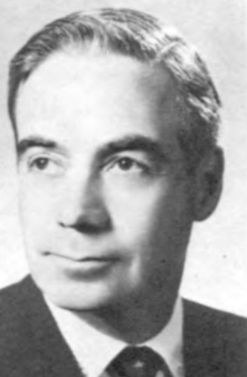
William Scranton (1917–2013) — Governor of Pennsylvania and U.S. Ambassador
William W. Scranton was an American Republican politician who served as Pennsylvania's governor (1963–1967) and as U.S. Ambassador to the United Nations (1976–1977).
Overview
William Warren Scranton (July 19, 1917 – July 28, 2013) was an American Republican Party politician known for his moderate stance and public service at state and national levels. He served as the 38th governor of Pennsylvania from 1963 to 1967 and later represented the United States at the United Nations from 1976 to 1977.
Image gallery
7 Images


Early life and education
Scranton was born in Madison, Connecticut, in 1917. He completed his undergraduate studies at Yale University, where he joined a generation of future public servants and professionals. His family background connected him to business and civic affairs, and he entered public life with an emphasis on pragmatic governance.
Political career and offices
Scranton's most prominent elected office was Governor of Pennsylvania (1963–1967). As governor he drew attention for advocating modernization of state government and addressing urban and educational issues. Years later he served as United States Ambassador to the United Nations (1976–1977), a diplomatic post in which he participated in American multilateral diplomacy during a complex international period.
- 38th Governor of Pennsylvania, 1963–1967
- U.S. Ambassador to the United Nations, 1976–1977
Later life and legacy
After leaving public office, Scranton remained a respected voice in civic affairs and in the Republican coalition of moderates. He was often cited as an example of center-right leadership that worked across party lines on public education, civil concerns, and government reform. His career illustrates mid-20th-century tensions within American conservatism and the role of state executives in national debates.
Personal life and death
Scranton was married to Mary Lowe Chamberlain; the couple raised four children. He spent his final years in California and died in Santa Barbara, California, on July 28, 2013, at the age of 96, after suffering a cerebral hemorrhage. Obituaries and historical summaries remember him for a blend of administrative competence and moderate political judgment.
For additional context on his era and roles, consult contemporary biographies, state histories, and diplomatic records that discuss governance in 1960s Pennsylvania and U.S. participation in the United Nations during the 1970s.
Author
AlegsaOnline.com William Scranton (1917–2013) — Governor of Pennsylvania and U.S. Ambassador Leandro Alegsa
URL: https://en.alegsaonline.com/art/132987